
Share with your CHRO
Anthropic is confronting an unexpected consequence of its own agentic coding tools: engineers working so independently alongside AI that the team began losing cohesion. Fiona Fung, engineering leader for Claude Code and Cowork teams, described the work becoming a “lonely experience” as developers channeled more collaboration toward agents than colleagues. Anthropic’s response: structured hackathons and pair-programming lunches to rebuild human interaction. The fix worked, but the fact that the company building this technology needed it first is the telling detail.
What this means for your business
When agentic AI absorbs enough of a knowledge worker’s day, informal peer learning collapses. The spontaneous “how did you handle that?” moment that historically spread best practices across a team simply stops happening. Anthropic’s engineers didn’t stop being capable. They stopped being collectively capable. That distinction matters enormously for any organization that treats headcount as a proxy for throughput rather than as a network of shared knowledge.
The Gallup data buried in this story deserves more attention than it’s getting. Tech workers who use AI at least monthly face a 6% layoff rate; those who use it less face 18%. That pressure is real and employees know it. The result is a workforce simultaneously compelled to adopt AI and quietly grieving the craft identity that made the job meaningful. Call it adoption anxiety: the condition where workers embrace the tool publicly while absorbing privately that the tool is redefining what their expertise is worth. Managing that gap is now a core HR function, not a wellness afterthought.
The signal worth watching is whether structured peer rituals, Anthropic’s hackathons, Meta’s increased social budgets, become a permanent line item in the operating model of AI-heavy organizations or whether they fade once leadership attention moves on. If they fade, you’ll see the knowledge-transfer problem resurface six to twelve months later in the form of brittle teams that can operate agents but can’t mentor the next person to do so.
Concept deep-dive: Agentic AI in the workplace
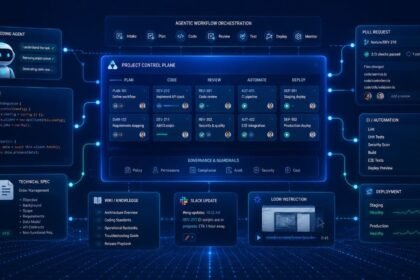
Agentic AI refers to systems that don’t just answer questions but execute multi-step tasks autonomously, writing code, running tests, fixing errors, and iterating without constant human input. It exists because modern AI models can hold enough context to plan and act across a sequence of decisions. Think of it less like a search engine and more like a junior colleague who works silently overnight and surfaces results in the morning. The business connection: when agents handle execution, humans shift to directing and reviewing, a role change that requires deliberate organizational design, not just tool deployment.
Based on reporting from Anthropic engineering leader says Claude code made employees’ work a ‘lonely experience’, originally published 2026-06-23 03:00:00.