
Share with your CMO/CRO
Salesforce is betting that the coming AI-driven shift in retail discovery, where shoppers find products through ChatGPT or Gemini rather than Google Search, doesn’t have to mean losing the transaction to a third party. With Agentforce Commerce now generally available, Salesforce is shipping three agents covering consumer shopping, B2B procurement, and merchant operations, plus an intent-aware search engine built on its Cimulate acquisition. The strategic spine is keeping the sale, the data, and the customer relationship on brand-owned surfaces even as discovery migrates to AI platforms.
What this means for your business
The brands most exposed here are those treating their Salesforce Commerce investment as a back-end record system while their customer experience lives elsewhere. Agentforce Commerce is Salesforce’s argument that the storefront, the service layer, and the AI agent should be the same surface, sharing the same order and customer data in real time. If your commerce and service platforms already run on Salesforce, this release tightens what you already own. If they don’t, the switching cost just got more visible.
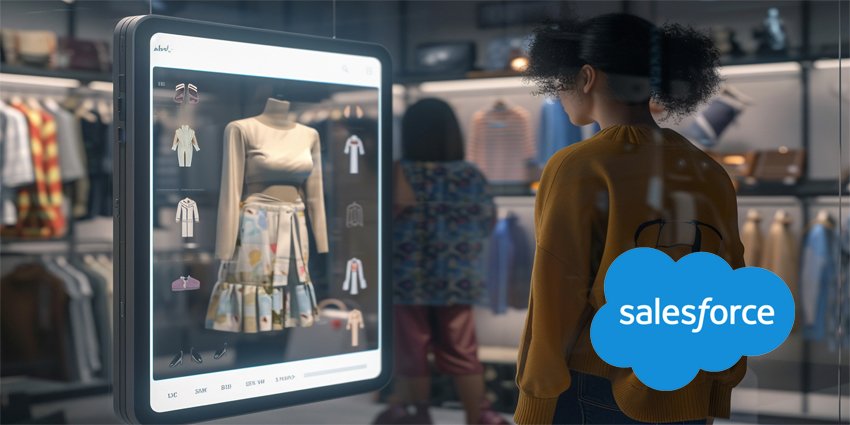
The Shopper Agent’s real pitch isn’t conversational shopping, it’s context continuity. The recurring failure mode in retail CX looks like this: a customer buys through one channel, contacts support through another, and has to reconstruct their own order history for the agent. Salesforce is closing that gap by making the commerce agent natively aware of inventory, orders, and service history from the start of the conversation. PacSun’s CDIO framing this as a Gen Z and Gen Alpha play is honest, because that cohort will abandon a conversation the moment it asks them to repeat themselves.
The ChatGPT integration, with Gemini to follow in summer 2026, deserves more scrutiny than the announcement gives it. Salesforce’s position is that AI platforms drive discovery but the transaction stays on owned properties. That’s a plausible near-term equilibrium, but it assumes the AI platforms stay content being referral engines rather than building their own checkout rails. If OpenAI or Google decide the transaction is the product, Salesforce’s “front door stays yours” argument weakens considerably. The 2026 holiday season is the first real data point. Watch whether conversion from AI-referred traffic on brand sites holds, or whether shoppers start completing purchases without ever leaving the AI interface.
Based on reporting from Salesforce Makes Agentforce Commerce Generally Available, originally published 2026-06-29 11:53:00.