
Share with your CHRO
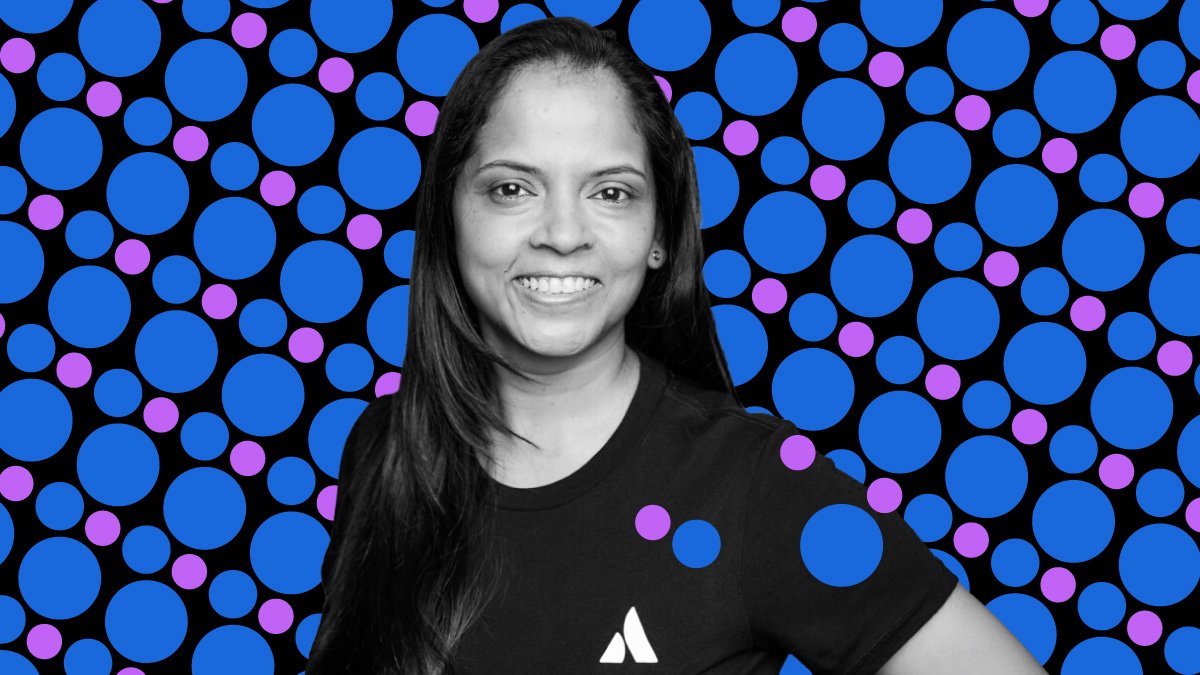
Atlassian expanded its Chief People Officer role in April to encompass AI enablement, a structural bet that people leadership and AI deployment are too intertwined to run separately. Avani Prabhakar now owns HR, internal IT engineering, data science, and customer tech support under one remit, a deliberate counter to what Atlassian’s research calls the “fragmentation tax.” That tax carries a price tag: Atlassian’s State of Teams 2026 report puts Fortune 500 losses from AI fragmentation at $161bn annually, with only 6% of those companies showing clear AI ROI.
What this means for your business
The fragmentation pattern Prabhakar describes is the dominant failure mode of enterprise AI right now. Individual employees build their own agents, their own workflows, their own informal operating systems, and the result isn’t multiplication of effort, it’s collision. Where you sit on this depends on one question: does your AI governance run through a single owner with authority over both people and systems, or is it still a steering committee that meets quarterly and produces principles documents nobody enforces?
Prabhakar’s structural move, folding IT engineering and data science under the people function, is more interesting than it first appears. The conventional separation assumes that technology decisions and people decisions are sequential: deploy the tool, then train the humans. Atlassian’s evidence suggests that sequence is exactly what produces the fragmentation tax. The 44% improvement in AI answer quality from their Teamwork Graph platform, which connects all workplace tools and databases into a unified context layer so agents can draw on shared organizational memory rather than isolated silos, didn’t come from a better model. It came from better-connected data that agents could actually read. The people function owns the organizational design that determines whether that context layer ever gets built, which means the CHRO is now also making architecture decisions whether they admit it or not.
The workforce signal worth watching isn’t the one about replacing roles. It’s the one about graduate hiring. Atlassian found that 19% of newly hired graduates qualify as AI super users, a higher share than the existing workforce. If that ratio holds across industries, then the companies hoarding experienced headcount and cutting graduate intake to manage costs are quietly widening the capability gap against themselves. The budget to defend here isn’t the AI tools line item; it’s early-career hiring, which most CFOs are currently treating as optional.
Based on reporting from Atlassian’s Chief People Officer on how to fix enterprise AI’s ROI problem, originally published 2026-08-13 04:05:00.