
Share with your CMO
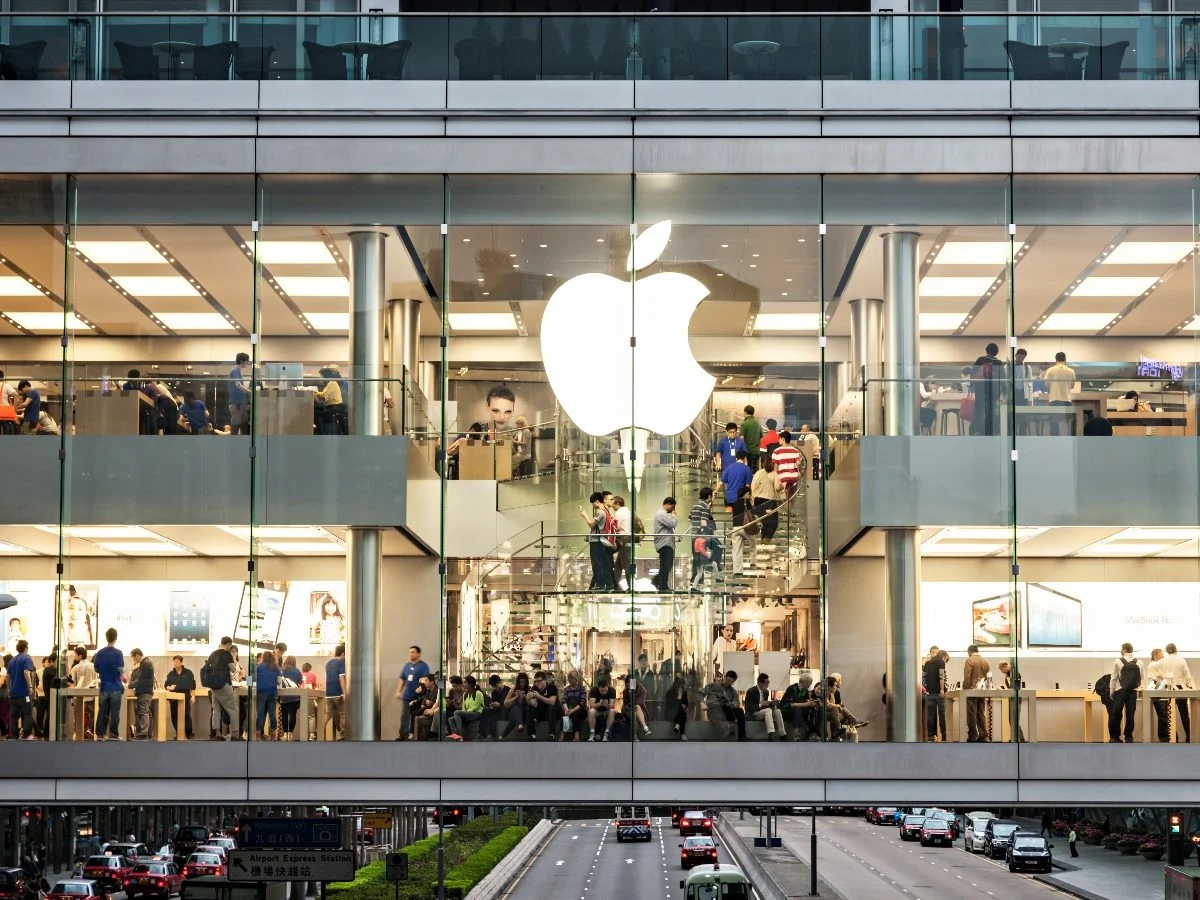
The AI automation wave is accidentally making physical retail a premium product. Drawing on a Capgemini survey of 12,000 consumers across 12 countries and Harris Poll data from over 2,000 respondents, the physical experience comeback is now measurable: 79% of consumers say online shopping lacks the “magic” of an in-person find, 71% say physical stores deepen loyalty in ways digital cannot, and 42% cite physical events as the highlight of their week versus 15% for digital experiences. Nike, Lululemon, Starbucks Reserve, and Apple are the instructive cases, each treating physical space as a belief statement rather than a distribution cost.
What this means for your business
Where you sit on this story depends on how your CX budget is currently allocated. If the last two planning cycles moved investment toward chatbots, self-service portals, and digital journey optimization, you are probably well-positioned for efficiency and poorly positioned for the emotional stickiness that drives retention. The Capgemini and Harris Poll data aren’t describing a niche preference; 71% and 79% figures are majority signals, and the Gen Z finding that 81% want to disconnect from digital devices more easily should unsettle any brand that assumed digital-native meant digital-satisfied.
The mechanism worth understanding here is what scarcity does to value in experience design. Digital channels scale infinitely, which means their marginal emotional value approaches zero as every brand deploys them at roughly the same quality level. Physical experience is capacity-constrained by geography, staffing, and cost, which means the brands willing to invest in it now are accumulating a form of differentiation that competitors can’t instantly copy with a software deployment. This is the same dynamic that made craft coffee shops viable against Nespresso, not despite automation but because of it.
The falsification condition for this argument is straightforward: if AI-generated personalization closes the emotional gap at scale, the physical premium collapses. There’s no evidence yet that it does. Until a brand can demonstrate that an AI interaction creates the same memory retention as a well-designed in-store moment, the CMOs who treat physical experience as a legacy cost to optimize away are making a bet the data doesn’t support. The more interesting budget question isn’t physical versus digital; it’s which three or four moments in your customer journey carry enough emotional weight to justify a physical investment, and whether those moments are currently designed with any intention at all.
Based on reporting from The Physical Experience Comeback Should Have CX Leaders Reconsidering Strategy, originally published 2026-06-15 19:00:00.