
Share with your CISO
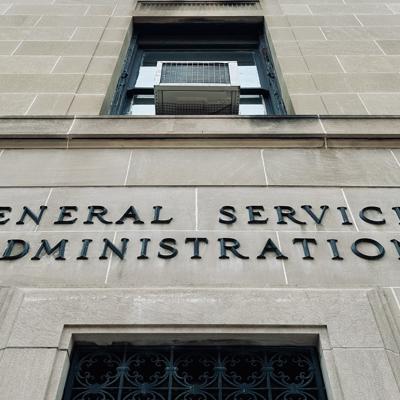
GSA’s draft AI procurement terms are drawing sharp opposition from industry groups who argue the proposed language would simultaneously expose civil liberties and chill commercial AI adoption. The draft claims government ownership of all input data and any custom model development, permits AI use for “any lawful government purpose,” and restricts human review of government data except in narrow incident-response situations. BSA, whose members include OpenAI and Microsoft, and the nonprofit Americans for Responsible Innovation both filed critical comments, warning the terms create False Claims Act exposure for contractors and strip meaningful oversight guardrails from federal AI deployments.
What this means for your business
Whether your organization sells to the federal government or competes with firms that do, these proposed terms are a stress test on a question every enterprise AI buyer eventually faces: who controls the model when the customer is the government? The “any lawful use” clause is the live wire. It’s what triggered Anthropic’s lawsuit against DoD, and it’s what makes this draft more than a procurement housekeeping exercise. If your vendor has usage restrictions baked into their terms of service, and most serious AI providers now do, blanket lawful-use language in a government contract creates a direct conflict your legal team will have to resolve before the ink dries.
The data ownership provisions carry a quieter but equally serious risk. Granting the government full ownership of input data and custom model modifications means any fine-tuning or adaptation built on proprietary workflows becomes federal property. For vendors who treat model customization as a core IP asset, this isn’t a negotiating footnote; it’s a structural incompatibility. BSA frames this as an innovation-chilling problem, and the framing is self-interested in the obvious way, but the underlying mechanics are correct. Contractors who build differentiated AI capabilities on top of commercial models would be handing those capabilities to the government in perpetuity, which changes the economics of bidding on federal AI work entirely.
The deeper issue is what the “eyes-off” data handling rule reveals about where federal AI governance is heading. Restricting human review of government data except as “strictly necessary” sounds like a privacy protection, but it removes the oversight layer that catches model errors, bias, and misuse before they become incidents. ARI’s concern about AI systems inadvertently profiling benefits applicants or conducting loyalty screening isn’t hypothetical fearmongering; it’s a known failure mode in automated decision systems. If GSA finalizes these terms without substantial revision, the vendors most likely to absorb the risk are the large primes who can self-insure against False Claims Act exposure. That consolidates federal AI supply toward incumbents and away from the specialized providers who often build the best-fit tools. Watch whether GSA’s final rule includes any of BSA’s proposed IP carve-outs; if it doesn’t, the bidder pool for serious federal AI contracts will narrow faster than the administration’s modernization timeline can accommodate.
Based on reporting from Trade and industry groups warn of risks in GSA’s draft AI procurement guidance, originally published 2026-04-03 03:00:00.