
Share with your CTO
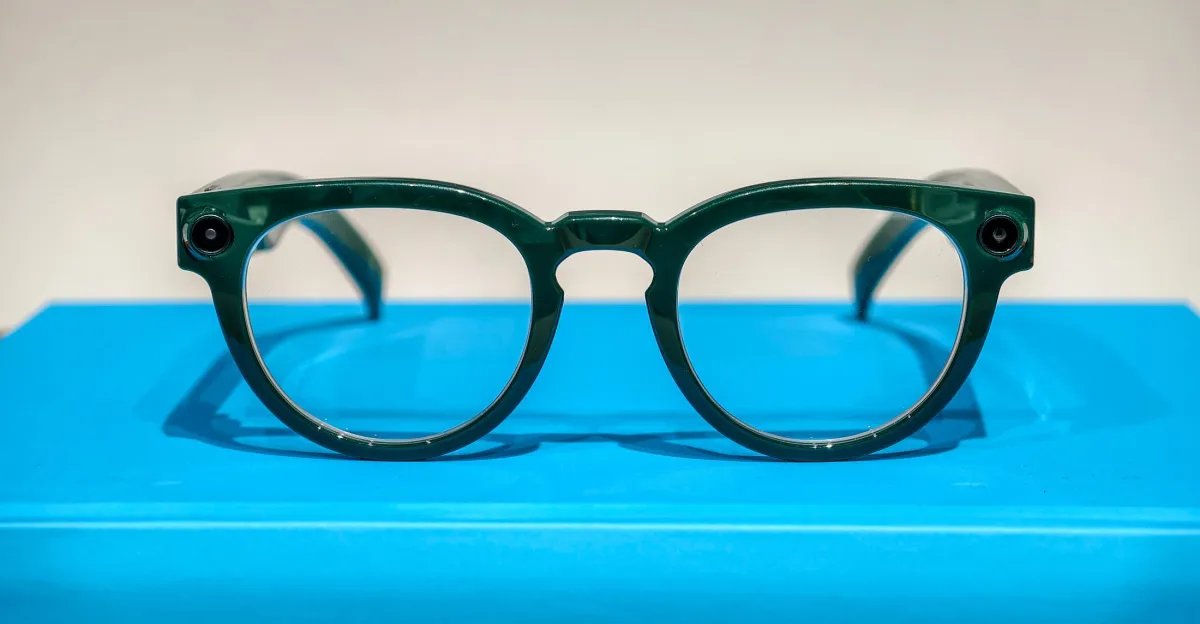
Samsung is betting that ambient AI, delivered through wearable glasses rather than a phone screen, is ready for enterprise and premium consumer adoption this fall. Built with Google and eyewear brands Gentle Monster and Warby Parker, the four-frame lineup runs on Qualcomm’s Snapdragon AR1 Gen 1, supports nine hours of battery life with seven additional charges from the case, and pairs with either Google Gemini or Samsung’s Bixby for on-device AI features including live translation, navigation, and visual scene analysis. No price or firm ship date yet, though Samsung’s EVP called it a “premium” product.
What this means for your business
The question this product forces is whether your organization is in the category of early adopter or observer for always-on ambient AI hardware. Companies with field service workers, sales teams doing in-person client work, or operations staff who need hands-free information retrieval are the natural first movers. Everyone else is watching Meta’s Ray-Ban glasses normalize the form factor while waiting for the privacy and IT manageability story to mature. Samsung’s play doesn’t change that calculus yet, but it does compress the timeline.
The Snapdragon AR1 Gen 1 chip is the same silicon inside Meta’s latest Ray-Ban glasses, which means Samsung is competing on software integration and ecosystem fit, not hardware differentiation. That’s actually the more interesting angle for enterprise buyers. The Gemini integration puts Google’s AI stack at the point of human perception, not just at the keyboard. If Google’s enterprise Workspace customers find Gemini in Glasses coherent with their existing AI deployments, Samsung doesn’t need to win the hardware war outright. It just needs to be the credible Android alternative when Meta’s consumer-first positioning makes IT uncomfortable.
Privacy is the blocking condition, not the battery life. The LED-based recording indicator that both Meta and Samsung rely on has already failed as a public trust mechanism, and Samsung’s own executive described it as an industry-shared problem with no Samsung-specific answer attached. Any enterprise considering deployment will absorb that liability directly. The falsification condition here is simple: if Samsung announces a verifiable enterprise device management framework or a clear IT policy toolkit before launch, the enterprise adoption case strengthens materially. Without it, this remains a premium consumer product that enterprise employees bring in through the side door.
Based on reporting from Here’s what Samsung’s smart glasses actually look like, originally published 2026-07-22 12:35:00.