
Share with your CHRO
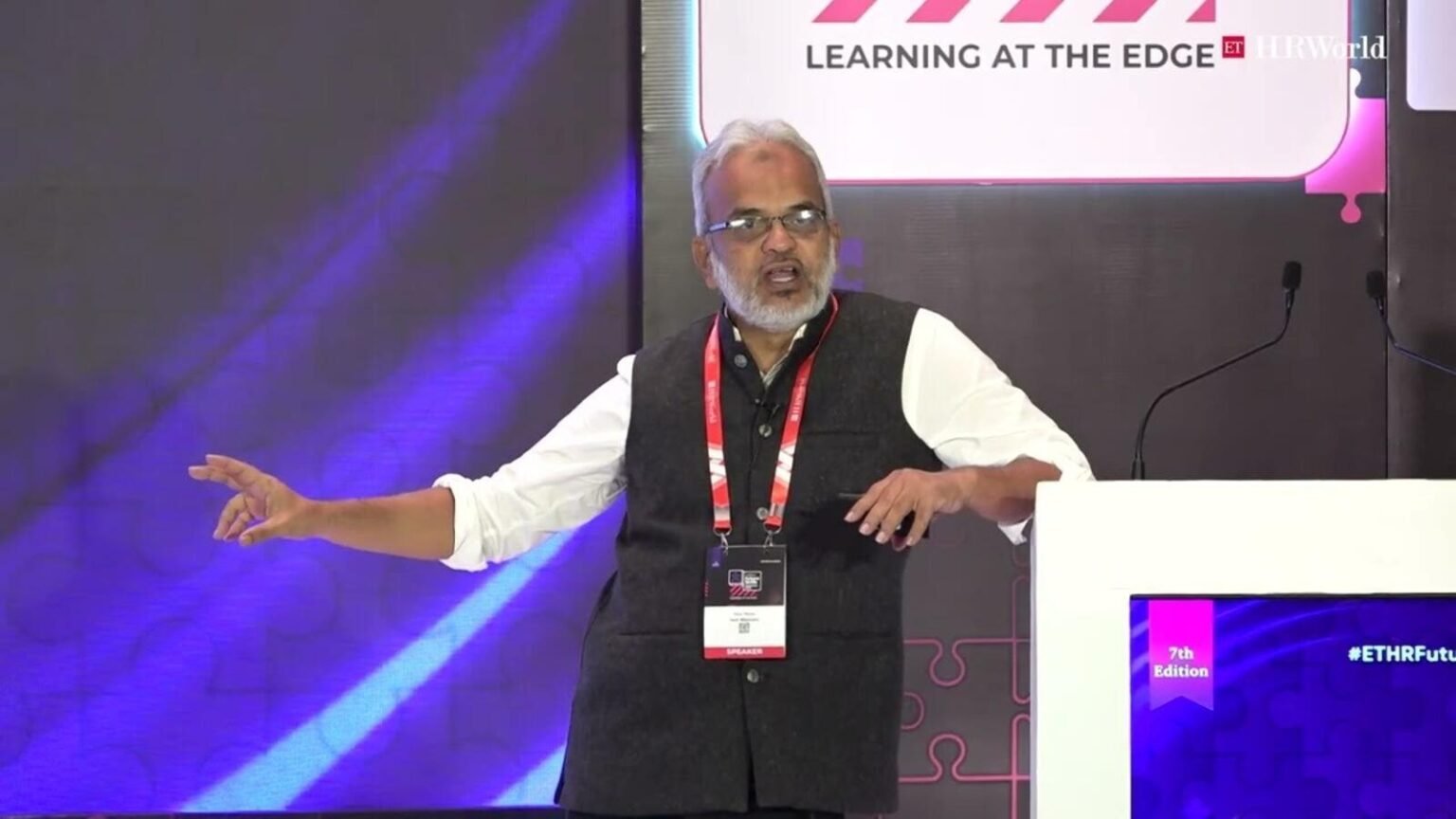
Tech Mahindra is repositioning workforce development as a strategic lever for enterprise AI adoption, not a support function trailing behind it. Riaz Mulla, Head of Leadership Learning and Talent Development, presented the company’s AI-first talent transformation case study at the Future Skills Conference, framing capability building and business transformation as a single motion rather than sequential stages. The public record is thin, but the strategic posture is clear: AI readiness begins in the talent function, not the technology stack.
What this means for your business
Based on limited public information from ETHRWorld, the signal here is about sequencing. Most large enterprises are still treating AI upskilling as a downstream activity, something that gets funded after the platform decision is made. Tech Mahindra’s framing inverts that. If your organization has already committed budget to AI tooling but hasn’t tied learning and development goals directly to those deployment timelines, the gap between what your systems can do and what your workforce will actually do with them is widening right now.
The recurring failure mode in enterprise AI rollouts isn’t the model, it’s the workforce arriving at the tool without a mental model for using it. CHROs who treat this as an HR communications problem will lose ground to those treating it as a capability architecture problem, meaning deliberate sequencing of who learns what, in what order, tied to specific business workflows rather than generic AI literacy curricula. Tech Mahindra is a 150,000-plus person IT services firm, which means its internal transformation is also a signal about what it will sell clients, a vendor with incentive to make AI-first talent strategy look tractable.
The falsification condition for this approach is simple: if AI-first workforce programs at scale produce measurable throughput gains on real business processes within 18 months of launch, the sequencing thesis holds. If they produce completion rates and satisfaction scores instead, they’re just rebranded training programs. The renewal decision worth watching here isn’t a software contract, it’s whether your L&D budget is attached to business outcome metrics or still floating free in headcount cost.
Based on reporting from Case Study on AI-first Workforce Transformation at Future Skills Conference, originally published 2026-07-20 00:29:00.