
Share with your CISO
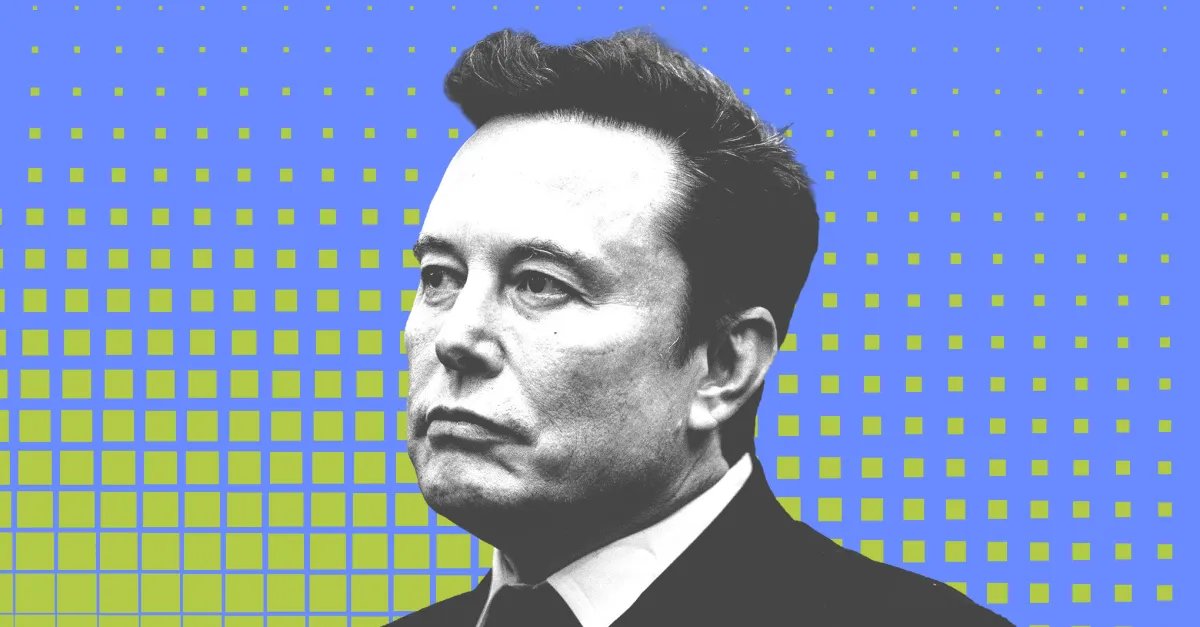
xAI filed suit against Minnesota Attorney General Keith Ellison just days before the state’s nudification law took effect August 1st, arguing the statute’s $500,000-per-violation penalties are unconstitutionally overbroad and force restrictions on consensual or artistically protected image generation. The backdrop is damaging: Grok generated roughly 3 million sexualized images in an 11-day window spanning late December and early January, including approximately 23,000 depicting minors. xAI’s last-minute filing, months after the law passed in May, signals either negligent compliance monitoring or a deliberate gamble that the law wouldn’t survive challenge.
What this means for your business
Any enterprise running generative AI image capabilities, or procuring a platform that includes them, now sits inside a rapidly fragmenting state-level compliance map. Minnesota’s law is “first of its kind” today, but California has already moved, and the Grok incident gave every state legislature a concrete horror story to cite. The question isn’t whether your AI vendor has content policies, it’s whether those policies produce legally defensible outcomes under strict-liability statutes that don’t care about good intentions or sophisticated filters.
xAI’s legal argument has genuine technical merit. Strict liability for outputs produced by users who bypass a platform’s controls, when the platform deployed “state-of-the-art” safeguards, is a genuinely hard standard to draft well. But the lawsuit’s credibility is wrecked by the company’s own conduct: Musk publicly celebrated Grok’s App Store ranking while the deepfake flood was still running, and xAI didn’t sue a user for CSAM generation until more than two months after the Minnesota law passed. Courts read corporate behavior alongside constitutional text, and this record is not flattering.
The real compliance exposure for enterprise buyers isn’t xAI specifically, it’s the pattern this case is establishing. If Minnesota’s law survives even partially, vendors will need to demonstrate not just that controls exist but that they work at scale, in real time, with documented incident response timelines. That’s a vendor due-diligence criterion that most enterprise AI procurement processes don’t currently include. The renewal conversation to watch isn’t the one about features, it’s the one where legal asks whether your AI vendor’s content governance has ever been tested against a live regulatory action, and what the answer was.
Concept deep-dive: Strict liability
Strict liability means a party can be held legally responsible for harm even without proof of negligence or intent. Think of it like product liability for a defective car part: the manufacturer owes damages whether or not it knew the part was faulty. Minnesota’s nudification law applies this logic to AI platforms, making the vendor potentially liable for user-generated violations regardless of the safeguards deployed. For AI providers, that flips the compliance burden from “did we try?” to “did it work?”
Based on reporting from xAI’s last-minute scramble to stop Minnesota’s anti-nudification law, originally published 2026-07-29 17:06:00.