
Share with your CFO
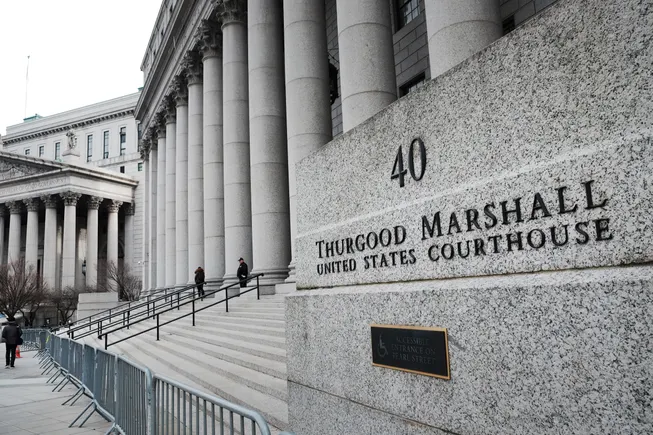
The Southern District of New York has subpoenaed Andres Elizondo, former CFO of collapsed AI startup Builder.ai, seeking records and grand jury testimony about the company’s financial reporting. Elizondo is named as a witness, not a target. Builder.ai, once valued above $1 billion and backed by Microsoft, reportedly inflated sales figures before its collapse, then restated revenue to roughly one quarter of prior claims. The company also allegedly disguised manual work by hundreds of engineers in India as output from its AI assistant, Natasha.
What this means for your business
CFOs signing off on revenue figures tied to AI-product claims now sit closer to criminal exposure than most finance teams have historically assumed. Elizondo’s subpoena arriving while he was simply traveling through Dallas is a reminder that a CFO doesn’t need to be the architect of fraud to end up testifying before a federal grand jury. If the underlying product claims inflating reported revenue were known, contested, or documentable internally, the finance function’s sign-off becomes a legal artifact. The question every CFO at an AI-adjacent company should be asking is how independently verifiable their reported metrics actually are.
Builder.ai represents a specific failure pattern worth naming: AI theater, where a product marketed as automated is actually labor-intensive work dressed in AI branding. The fraud wasn’t just in the pitch deck; it ran through the revenue line. When a company books sales on the basis of AI-driven scalability that doesn’t exist, the numbers themselves become misrepresentations. Finance teams that rely on engineering or product assurances without independent verification of the underlying delivery model are effectively co-signing the narrative, and prosecutors understand accounting sign-off as informed consent.
The SDNY investigation signals that “AI washing,” overstating the degree to which a product relies on artificial intelligence to attract investors and customers, is moving from an SEC enforcement concept into criminal fraud territory. For CFOs at companies where AI is a material part of the revenue story, the renewal worth rethinking isn’t a software contract. It’s the diligence process around how product capabilities are described to investors, and whether the finance team has its own independent line of sight into what the product actually does, not just what sales says it does.
Concept deep-dive: AI washing
AI washing is the practice of overstating how much artificial intelligence drives a product’s functionality, similar to how “greenwashing” means exaggerating environmental credentials. It exists because AI commands valuation premiums and investor attention that manual or conventional software processes don’t. Builder.ai’s alleged use of 700 human engineers to build apps while marketing an AI assistant as the engine is the pattern at its most extreme. The business risk is that inflated AI claims embedded in revenue narratives create legal exposure, not just reputational damage, when they unravel.
Based on reporting from Feds serve former Builder.ai CFO with a subpoena amid investigation: Trial Balance, originally published 2025-10-20 03:00:00.