
Share with your CTO
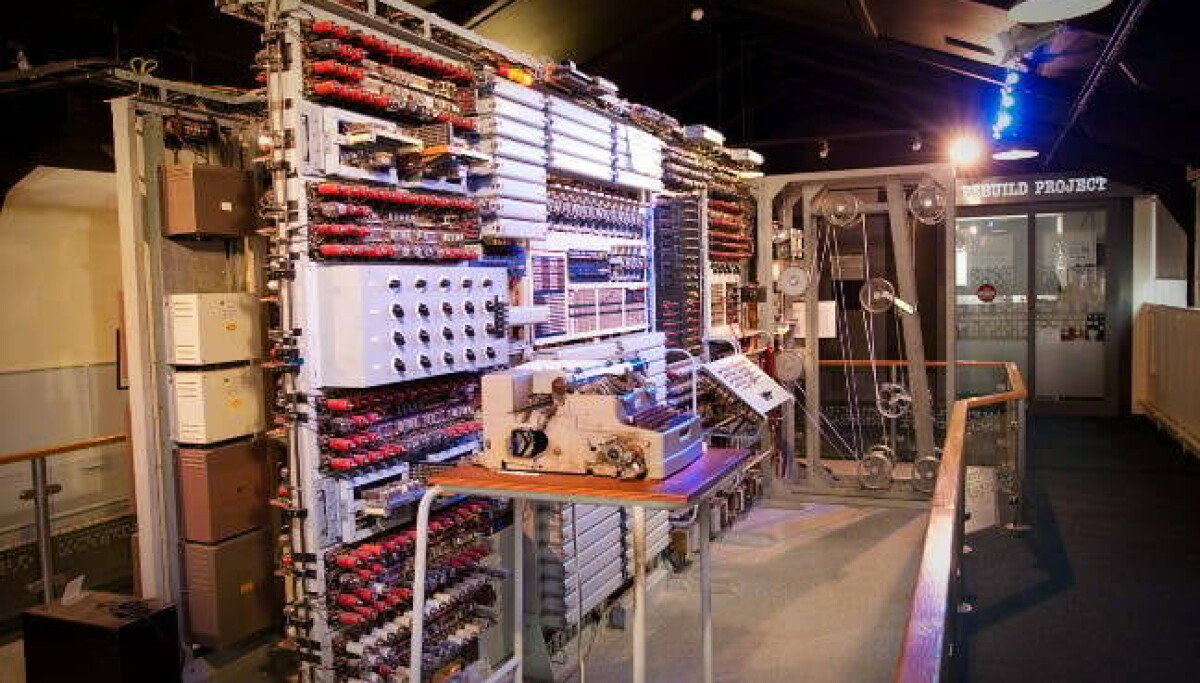
Claude Code is proving capable of what enterprise IT teams have failed to do for decades: systematically documenting and reverse-engineering legacy systems. Writing for The Register, Rupert Goodwins details how hobbyist digital archaeologists at the UK’s National Museum of Computing used Claude Code to fully disassemble and annotate 1980s networking firmware, debug emulators against original chip datasheets, and reconstruct working code for systems that barely left a paper trail. The work that would take a skilled engineer months got done in a day, commented well enough that the AI occasionally flagged genuinely clever original design decisions.
What this means for your business
Every enterprise has a graveyard shift running in production. Payroll systems from the Clinton era. ERP customizations nobody touches because the person who wrote them retired in 2009. Middleware that connects two acquired companies’ stacks and exists only in compiled form. This is the problem Claude Code just proved it can address. Not perfectly, not autonomously, but with enough fidelity that a skeptical expert in the audience called it mind-blowing.
The proof of concept here matters precisely because the test cases were hard. Reconstructing Acorn’s Network Filing System from binary required Claude Code to cross-reference circuit diagrams, chip datasheets, control flow graphs, and a hardware protocol that predates Ethernet on microcomputers. If the model can handle that, your undocumented Java middleware from 2004 is not an exotic challenge. The implication is that LLM-assisted codebase archaeology is no longer a research curiosity. It is a viable remediation strategy for technical debt that was previously just a permanent line item.
The tradeoff is real: this only works when a skilled engineer is driving. The article is explicit that “here’s our server map, document it” produces garbage. The model needs an expert who knows what a correct answer looks like, someone who can supply context, catch hallucinations, and iterate. That person is expensive and rare. The question worth holding is whether your organization can identify and protect that talent before a migration deadline forces you to find out what happens when you can’t.
Concept deep-dive: Agentic code archaeology
Standard LLM code assistance works on files you hand it. Agentic code archaeology is different: the model runs tools autonomously, executes emulators, compares runtime behavior against hardware specifications, and iterates without waiting for a human prompt at each step. It exists because legacy systems often have no source code, only compiled binaries and scattered documentation. Think of it as giving a forensic analyst both the evidence and the lab equipment to run their own tests. For enterprise IT, that means a machine can do the investigative groundwork that currently blocks every modernization project.
Based on reporting from Claude Code is revolutionizing digital archaeology. Enterprise better dig it, originally published 2026-08-03 04:27:00.