
Share with your CEO
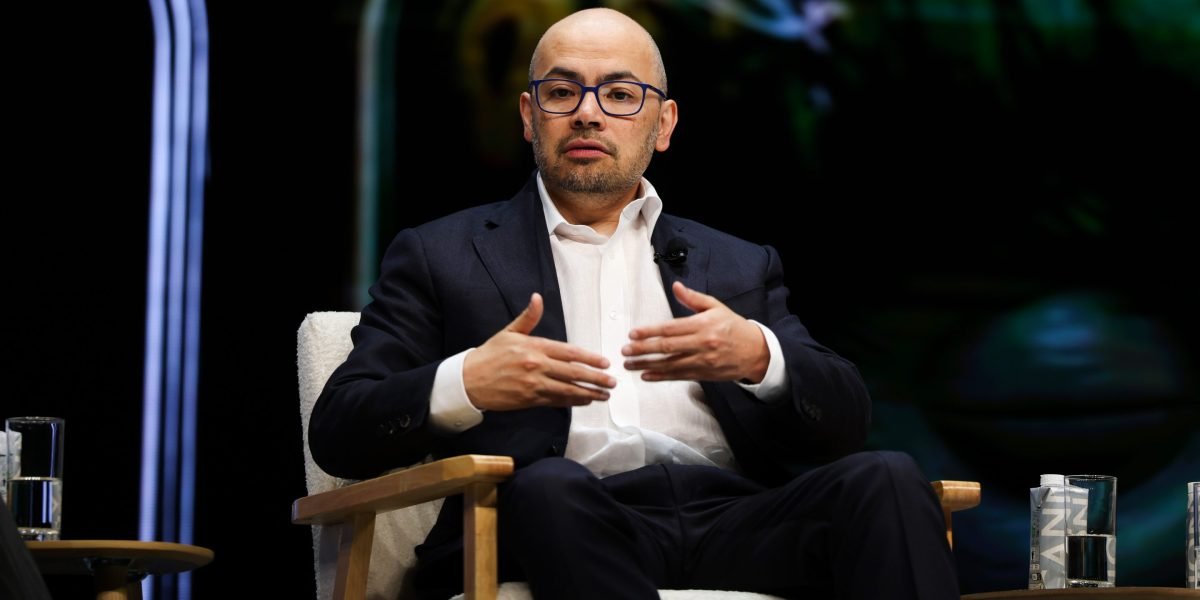
Google is restructuring its AI leadership around a bet that AGI is close enough to warrant pulling its most important scientific mind out of daily operations. Demis Hassabis, co-founder of DeepMind and 2024 Nobel laureate, steps up to chairman and Alphabet chief scientist, while CTO Koray Kavukcuoglu takes over Google DeepMind’s day-to-day operations reporting directly to Sundar Pichai. Jeff Dean, a 27-year Google veteran, simultaneously departs to co-found Discovery Loop, an independent public benefit corporation targeting AI research automation, with Alphabet as a founding investor.
What this means for your business
If your enterprise has committed Gemini into a roadmap or a vendor contract, this reshuffle lands at the worst possible moment. Gemini 3.5 Pro is already months past its June target, Gemini co-lead Noam Shazeer has moved to OpenAI, and Nobel laureate John Jumper is now at Anthropic. A 5% drop in Alphabet shares on a leadership announcement is the market pricing in execution risk, not succession elegance. Organizations mid-evaluation on Gemini versus competing foundation models now have a legitimate reason to slow the final call and ask Google’s account teams harder questions about delivery timelines.
The Hassabis move fits a recognizable pattern in deep-tech companies where the founding scientist, once celebrated as both visionary and operator, quietly loses patience with the operational drag of a large corporate parent. Framing it as a promotion toward AGI strategy is the standard narrative, and it may genuinely reflect Hassabis’s preferences after winning a Nobel for AlphaFold. But the timing is difficult to separate from the product pressure. When the scientist-founder shifts to “chief scientist” while the flagship model is late and talent is walking, the org chart change doesn’t fix the underlying problem, it just moves accountability around.
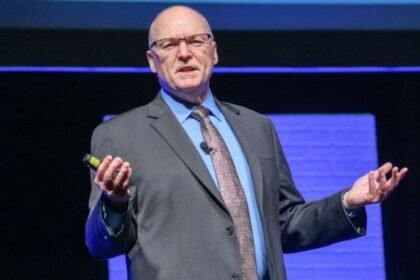
The Jeff Dean departure is the signal that deserves more weight than the Hassabis headline. Dean’s comment that operating outside a public company gives his team room to make decisions that aren’t in the company’s “purest financial interests” is a direct indictment of how Google manages research prioritization. Two of the most consequential ML researchers in the field’s history are now structurally outside Google’s walls. Any enterprise CIO or CTO renewing a Google Cloud AI commitment in the next six months should be asking whether the research depth that justified that commitment is still resident inside the organization, or whether it just walked out the door to a public benefit corporation that Alphabet funds but doesn’t control.
Concept deep-dive: Public Benefit Corporation
A public benefit corporation (PBC) is a legal structure that formally requires a company to balance shareholder returns against a stated public mission, think of it as a corporation whose charter explicitly permits the board to say “no” to profit-maximizing moves that conflict with the mission. Jeff Dean’s framing of Discovery Loop as a PBC is directly relevant to enterprise buyers: it signals the entity is designed to prioritize research quality over commercialization speed, which affects what IP gets published, patented, or licensed back to Alphabet as compute sponsor.
Based on reporting from Demis Hassabis steps down from Google DeepMind CEO role amid a major AI leadership shake-up, originally published 2026-08-05 14:43:00.