
Share with your CHRO
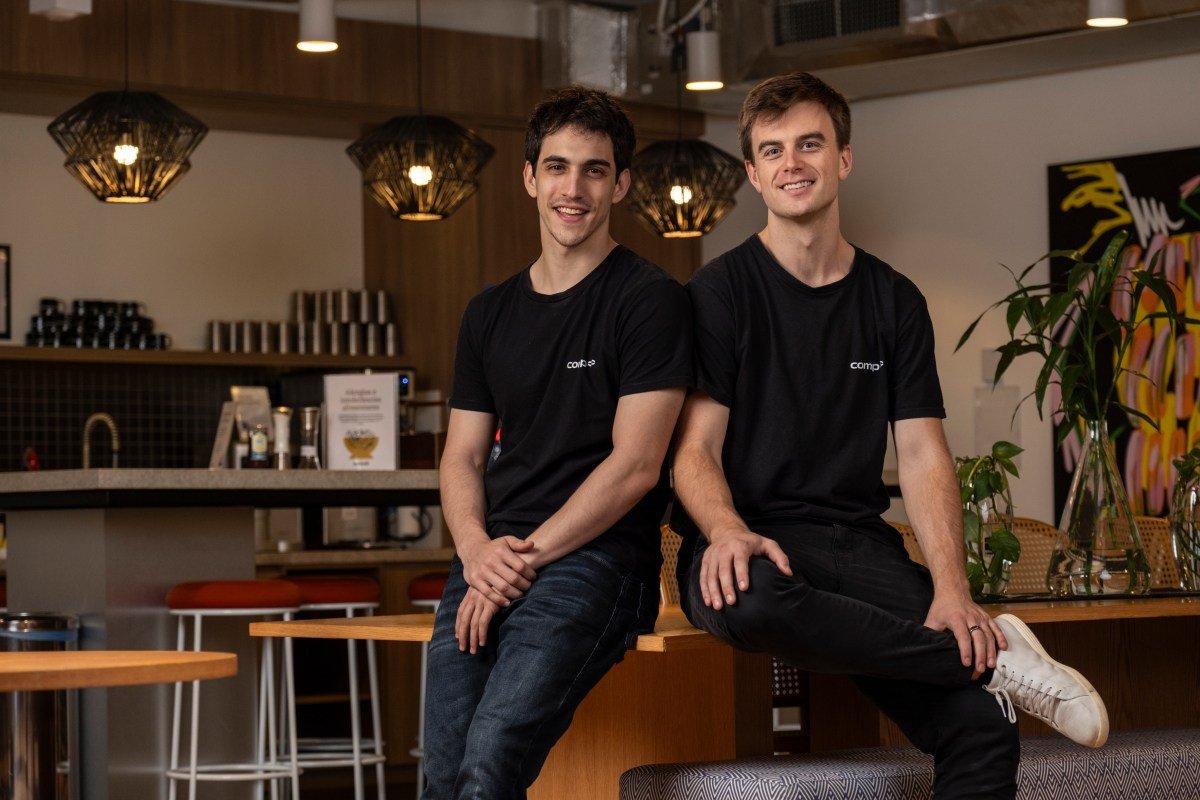
Brazilian HR tech startup Comp is betting it can replace the HR function entirely, not just automate pieces of it. The company raised a $17.25 million Series A led by Khosla Ventures, with Keith Rabois joining the board. Comp deploys AI software alongside former HR executives who first do compensation, performance, and recruiting work manually, then use that output to train the models. Clients already include Nubank and most of Brazil’s unicorn cohort, and the company is now targeting U.S. expansion.
What this means for your business
The company drawing the sharpest line in this story is Comp itself, and it’s worth taking seriously. Founder Christophe Gerlach’s framing, that Rippling sells software to HR teams while Comp becomes the HR team, isn’t just positioning. It describes a genuinely different delivery architecture. Whether your organization is a buyer of HR software, a buyer of compensation consultants like Mercer or Korn Ferry, or both, this model is designed to displace both budget lines simultaneously. The question isn’t whether AI will touch your HR stack. It’s whether the pressure arrives from a software vendor or from something that looks more like an outsourced function.
The mechanism Comp uses deserves attention because it sidesteps the biggest failure mode in enterprise AI deployment, which is training models on data that doesn’t reflect actual professional judgment. By having former HR executives perform work manually first, then using that work as training signal, Comp is essentially productizing expert intuition rather than pattern-matching on historical records. That’s a meaningful distinction in a domain like compensation benchmarking, where the value isn’t retrieving data but interpreting it relative to a specific company’s structure, stage, and competitive context. The risk is that this approach is expensive to scale, and Khosla’s bet is that the AI eventually runs far ahead of the human cost base.
Comp’s Brazil-first strategy gave it something most U.S.-born HR AI vendors lack: a clean sheet. Brazilian companies without entrenched HR software couldn’t default to incumbent platforms, so Comp had to win on outcomes rather than integration convenience. That’s a harder test, and passing it with Nubank and comparable names is credible evidence the model works. If Comp arrives in the U.S. with that track record, the competitive pressure lands hardest on CHROs at mid-market companies who are currently paying both a software license and a consulting retainer to accomplish what Comp claims to bundle. That’s the budget to weigh, not some future capability road map.
Based on reporting from Khosla’s Keith Rabois backs Comp, which wants to bolster HR teams with AI, originally published 2026-02-25 03:00:00.