

Share with your CIO
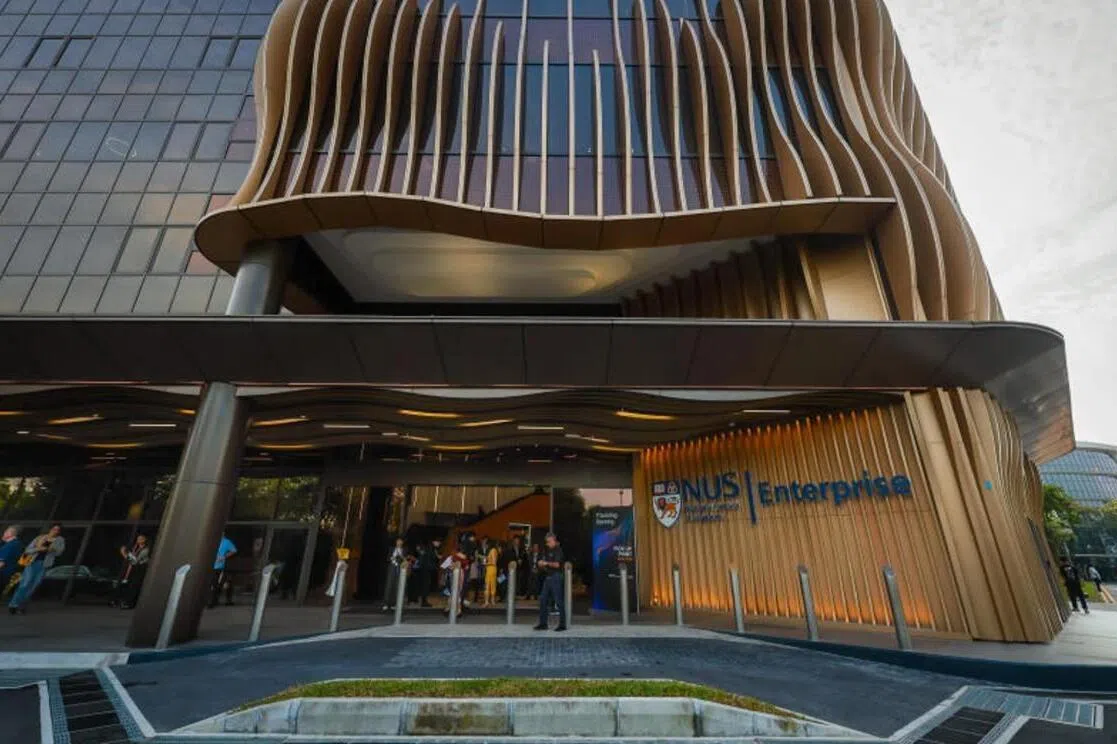
NUS Enterprise, rebranding as NUSX, is betting that AI can solve one of university tech transfer’s most stubborn problems: 70 to 80 percent of university patents worldwide never get licensed because matching research to the right commercial partner is slow, manual, and expensive. Its new platform, Nova, built with AI infrastructure firm Zima Labs, analyzes patents, scores licensing potential against market data, flags candidate licensees, and drafts tailored partnership proposals, compressing what commercialization managers currently spend weeks on into minutes. NUSX is simultaneously opening global outposts in Munich, Silicon Valley, and Shanghai to connect Singapore’s deep tech pipeline with overseas capital and industry partners.
What this means for your business
If your organization runs a corporate venture arm, an open innovation program, or any structured effort to source early-stage technology from universities, the bottleneck Nova targets is one you almost certainly own from the other side. Most corporate R&D scouting teams face the mirror image of the problem NUSX describes: too many inbound patents with too little context, no fast way to assess fit, and commercialization officers at universities who are too stretched to tailor pitches. An AI layer that pre-qualifies and contextualizes university IP before it reaches your desk changes the economics of that relationship.
The claim worth stress-testing is the “minutes not weeks” compression. Nova’s value depends entirely on the quality of the market evidence it indexes against and the accuracy of its licensee-fit scoring, neither of which NUSX has published benchmarks for. The recurring failure mode in AI-assisted deal sourcing is that the system surfaces plausible-looking matches that collapse on closer scrutiny, shifting analyst time from search to triage rather than eliminating it. NUSX, pitching its own platform launch and naturally incentivized toward an optimistic capability framing, hasn’t yet offered independent validation of match quality. That’s the number to demand before building a workflow dependency on Nova’s output.
The deeper signal here isn’t the platform itself; it’s that university tech transfer offices are finally treating IP commercialization as a pipeline management problem rather than a relationship management one. When that framing takes hold broadly, the companies that move early to integrate with those AI-native transfer workflows, as preferred licensees or co-development partners, will see deal flow before it hits the open market. The question your innovation or R&D strategy team should be weighing now is whether your current university partnership agreements give you preferential access to early-stage IP signals, or whether you’re still waiting for a PDF pitch deck to arrive by email.
Concept deep-dive: Technology transfer
Technology transfer is the process by which intellectual property created in a university or research institution, typically patents covering new materials, processes, or algorithms, gets licensed or spun out into commercial products. Think of it as the bridge between a lab result and a product on a shelf. Most universities run dedicated offices to manage this, but the matching problem (which company needs this invention?) has historically been solved through personal networks and manual research, which is exactly what Nova is trying to automate.
Based on reporting from NUSX launches AI platform to speed up research commercialisation, originally published 2026-09-24 08:35:00.