
Share with your COO
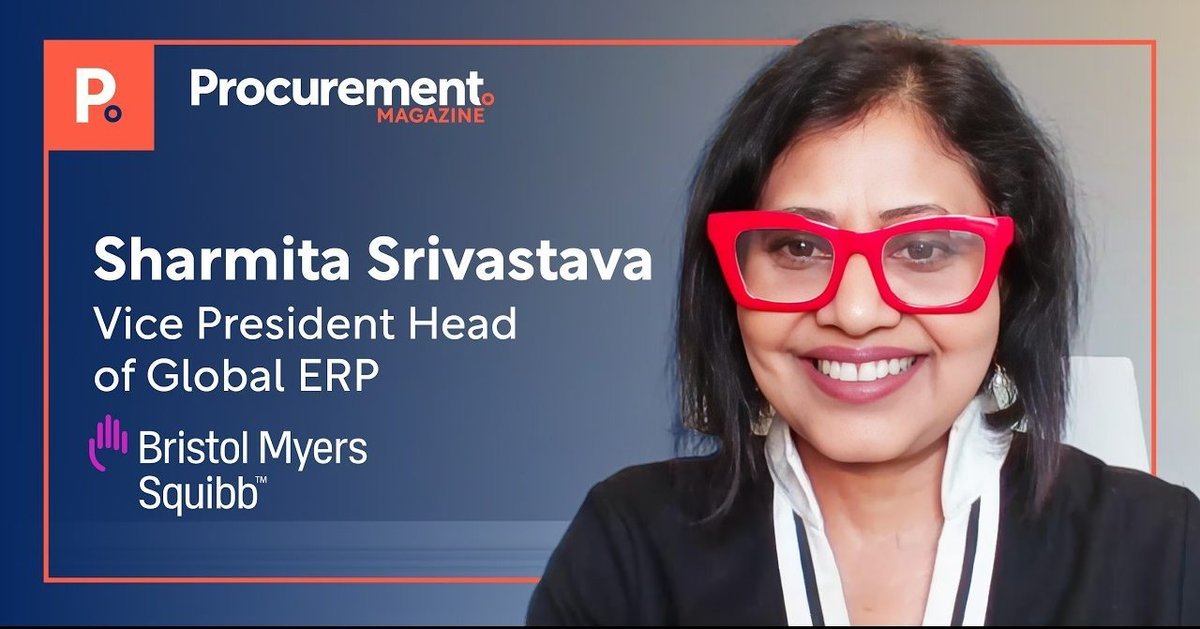
Bristol Myers Squibb is betting that enterprise-grade data hygiene, not flashy AI models, is what turns procurement into a strategic function. Sharmita Srivastava, VP and Global Head of Finance, Procurement and ERP Platforms, has driven 70% touchless invoice processing and a 50% cut in purchasing approvals across 48 markets and 12 manufacturing plants. The deployment of SAP’s Joule copilot on warehouse floors gives plant workers natural-language access to critical systems, compressing the friction inherent in time-pressured physical operations.
What this means for your business
The BMS numbers are credible precisely because they’re boring. Touchless invoicing and approval reduction aren’t AI moonshots; they’re the payoff from years of cleaning up master data, the foundational records that tell your systems what a supplier, a purchase order, or a price actually is. If your procurement org is still debating AI use cases while sitting on inconsistent vendor records and patchy ERP data, the BMS trajectory suggests you’re not behind on AI strategy, you’re behind on the prerequisite work that makes AI strategy executable.
The Joule deployment on the warehouse floor is the more instructive signal. Most enterprise AI conversations happen at the knowledge-worker layer, where prompts go into laptops and dashboards. BMS is pushing natural-language interfaces down to plant teams doing physical, time-pressured work. That’s a different user population with a different failure mode: if the interface is slow, confusing, or wrong, the cost isn’t a bad slide deck, it’s a production delay. The fact that BMS is doing this in a regulated life sciences environment, where audit trails and compliance aren’t optional, tells operations leaders that the “regulated industry” exemption for cautious AI adoption is getting harder to defend.
The partnership structure here, SAP for the platform, PwC and EY for implementation governance, is the template that reduces regulatory exposure but also concentrates vendor dependency. COOs weighing similar moves should watch whether their own ERP contracts give them enough data portability to swap a copilot layer if Joule underperforms. The BMS story validates the outcome; it doesn’t validate the specific stack for every organization. The renewal decision that matters isn’t the AI tool, it’s the ERP agreement underneath it.
Based on reporting from Leading Enterprise AI Procurement at Bristol Myers Squibb, originally published 2026-09-16 03:00:00.