
Share with your CISO
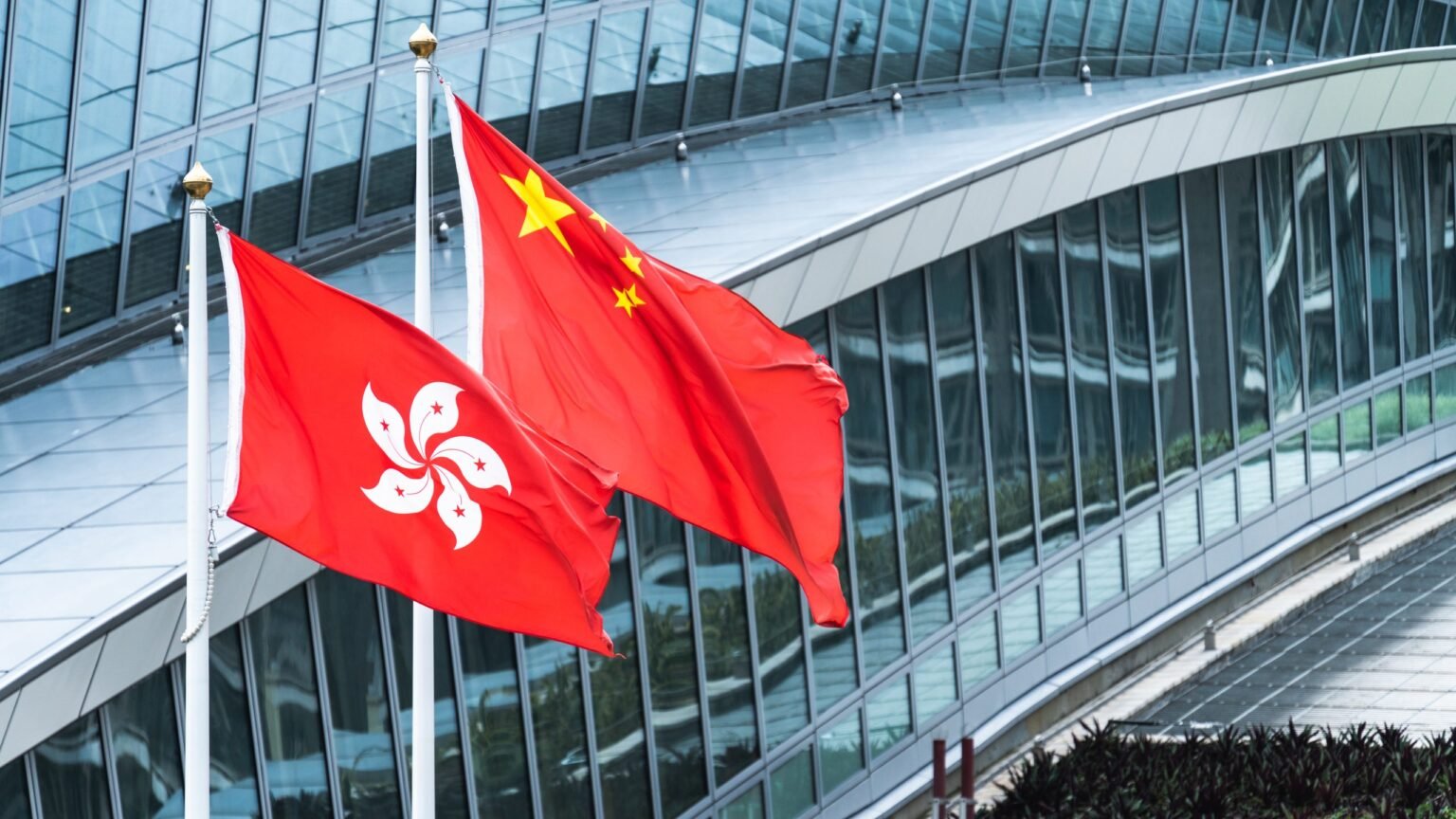
Hong Kong’s central bank is drawing a hard line on AI governance in banking. The Hong Kong Monetary Authority’s new Accountability, Resilience, and Trust framework sets three binding expectations for any bank deploying AI: clear ownership of AI decisions, operational resilience that includes safe failure and recovery, and demonstrable fairness and explainability for customers. The accompanying supervisory guidance covers governance structures, proportionate risk management, and transparency requirements, giving HKMA examiners a concrete checklist against which to measure institutions.
What this means for your business
Based on limited public information from Compliance Week, the HKMA framework signals a regulatory posture that is already ahead of where most banks’ internal AI governance programs actually sit. If your institution operates in Hong Kong, or runs cross-border AI systems that touch Hong Kong customers, the question isn’t whether you’ll adapt, it’s whether your current model inventory, ownership documentation, and explainability tooling can survive an examiner walking through the door today. Banks without a named accountability chain for each production AI model are the most exposed.
The “fails safely” language under the Resilience pillar is worth pausing on. Most enterprise AI governance programs borrow from IT disaster recovery thinking, where resilience means uptime and rollback. Banking AI introduces a different failure mode: a model that keeps running but produces biased credit decisions or flags the wrong transactions silently, without triggering any alert. Regulators demanding that AI “fails safely” are implicitly requiring detection infrastructure, not just recovery infrastructure. That’s a meaningful architectural distinction that most current AI risk frameworks haven’t internalized.
The HKMA joining a short list of financial regulators, alongside the EU’s AI Act provisions and the UK FCA’s emerging model risk guidance, with prescriptive AI accountability rules creates a regulatory ratchet effect. What Hong Kong mandates today tends to travel to other Asia-Pacific financial centers within two to three regulatory cycles. CISOs at global banks who treat this as a local compliance matter are misreading the trajectory. The vendor or internal platform you’re renewing a contract on right now should be evaluated against whether it can produce the audit trail this framework demands, because that requirement is coming to your home jurisdiction whether or not it’s there yet.
Based on reporting from Hong Kong regulator sets accountability, resilience, trust rules for bank AI, originally published 2026-10-24 03:00:00.