

Share with your CIO
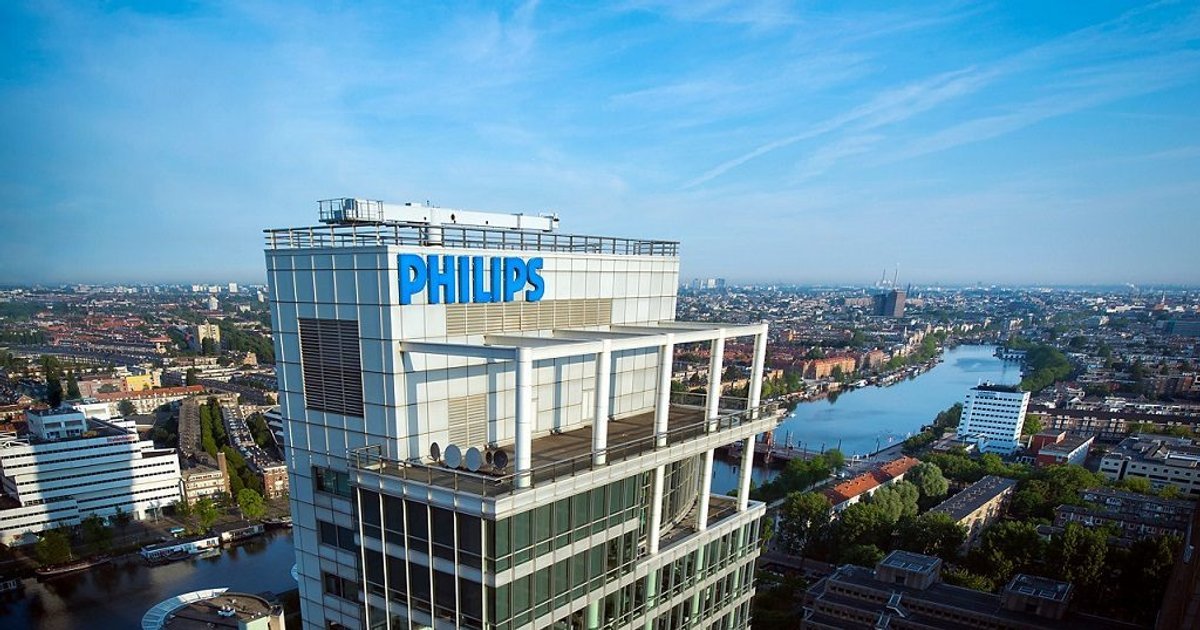
Philips is restructuring its technology leadership to put AI at the center of its healthcare strategy, appointing a dedicated Chief AI Officer for the first time alongside a new Chief Technology Officer. The move follows the departure of Laura Matz to lead Philips’ technology organization, with Philipp Harbach stepping in at Merck KGaA on an interim basis. Philips has also locked in a seven-year strategic alliance with WellSpan Health spanning imaging, diagnostics, and AI across 12 hospitals, and secured FDA clearance in March 2026 for DeviceGuide, an AI-guided mitral valve repair tool built with Edwards Lifesciences.
What this means for your business
Philips splitting AI leadership into its own C-suite seat is a signal worth reading carefully if you’re a health system CIO still treating AI as a capability owned by whoever runs IT. The dedicated Chief AI Officer role reframes AI as a strategic function requiring its own accountability structure, separate from traditional technology operations. Health system CIOs already negotiating or renewing enterprise imaging and diagnostics contracts with Philips now have a different counterpart conversation coming, one where AI roadmap commitments carry a named executive owner.
The WellSpan partnership structure is the more instructive data point here. A seven-year co-development alliance across 12 hospitals is not a vendor procurement, it’s a platform lock-in play dressed as a research collaboration. Philips gets a live clinical environment to validate AI models at scale; WellSpan gets early access to tooling but cedes some architectural independence in return. Health system CIOs evaluating similar “strategic alliance” pitches from imaging and diagnostics vendors should weigh how much of their clinical workflow data they’re effectively contributing to a vendor’s training pipeline, and whether the governance terms reflect that contribution.
The appointment pattern here, a standalone Chief AI Officer at a medtech incumbent with deep device and imaging infrastructure, will accelerate across the sector. Vendors who establish this structure first get to define what “AI-native” means in their category before buyers do. If your organization is still benchmarking Philips against competitors on feature lists, you’re measuring the wrong thing. The vendor whose AI leadership has a direct line to the board shapes product direction in ways a roadmap slide can’t capture. Watch whether Philips’ new CAIO shows up in contract negotiations, not just press releases, as the real test of whether this role has teeth.
Based on reporting from Philips Appoints Technology Chief and First Chief AI Officer, originally published 2026-09-06 04:03:00.