


Share with your CTO
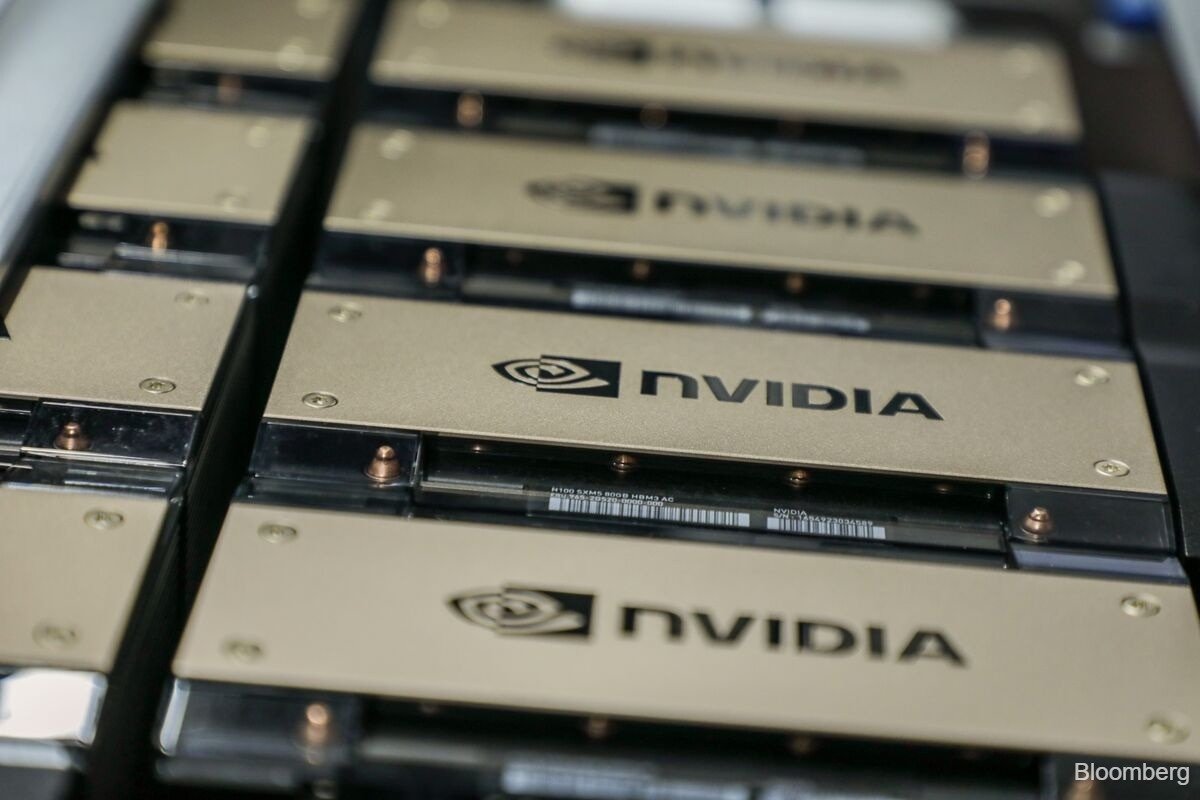
Firmus Technologies is assembling one of Asia’s largest AI infrastructure financing packages, seeking roughly US$10 billion to buy Nvidia chips for a 360MW data centre campus in Batam, Indonesia. The deal stacks US$7.5 billion in debt against US$2.5 billion in equity, and it arrives weeks before a planned October IPO targeting up to US$5 billion on the Australian exchange. Nvidia is providing revenue sharing and credit support, a structure it also used in a recent US$3.1 billion chip loan to Indonesian platform Zankore.
What this means for your business
The story that matters here isn’t Firmus specifically. It’s that chip financing has become its own asset class. Banks and private credit shops started by lending against data centre real estate, and now they’re lending against the GPUs inside them, with the chipmaker itself backstopping repayment risk. That structural shift changes who controls capacity. If you’re a CTO relying on hyperscaler cloud for AI compute in Asia Pacific, the relevant question is whether you’re renting capacity from companies whose cost of capital is now dramatically lower than yours.
Nvidia’s role in these deals deserves scrutiny. By offering revenue sharing and credit support to borrowers like Firmus and Zankore, Nvidia is effectively subsidizing demand for its own chips. That’s not a public service. It’s a financing mechanism that makes alternatives harder to justify economically for any buyer who can access the program. The practical effect is that Nvidia is locking in large-scale customers before any competitive GPU market can develop, using capital structure as the moat rather than just silicon performance.
The Firmus capital stack, a US$10 billion loan from Blackstone in February plus US$2 billion in equity from Jane Street plus this new US$10 billion facility, reflects a build-now-prove-later posture that is either visionary or dangerously leveraged depending on whether Asian AI infrastructure demand materializes on the timeline lenders are pricing. I’d revise the bullish read on this model if occupancy rates at newly built Asia Pacific AI factories start missing targets in 2025, because at 725 basis points over SOFR on the mezzanine debt, there’s no room for a slow ramp.
Concept deep-dive: Mezzanine debt
Mezzanine debt sits between senior loans and equity in a company’s capital structure, meaning it gets repaid after senior lenders but before shareholders if things go wrong. Think of it as the riskiest layer of borrowing, which is why it commands a far higher interest rate (here, 725 basis points above the benchmark rate). In AI infrastructure deals, mezzanine tranches are how developers pull in enough total capital to cover hardware costs that no single senior lender will fully absorb.
Based on reporting from Nvidia-backed AI startup seeks US$10 billion before Australian IPO, originally published 2026-09-23 04:15:00.