

Share with your CIO
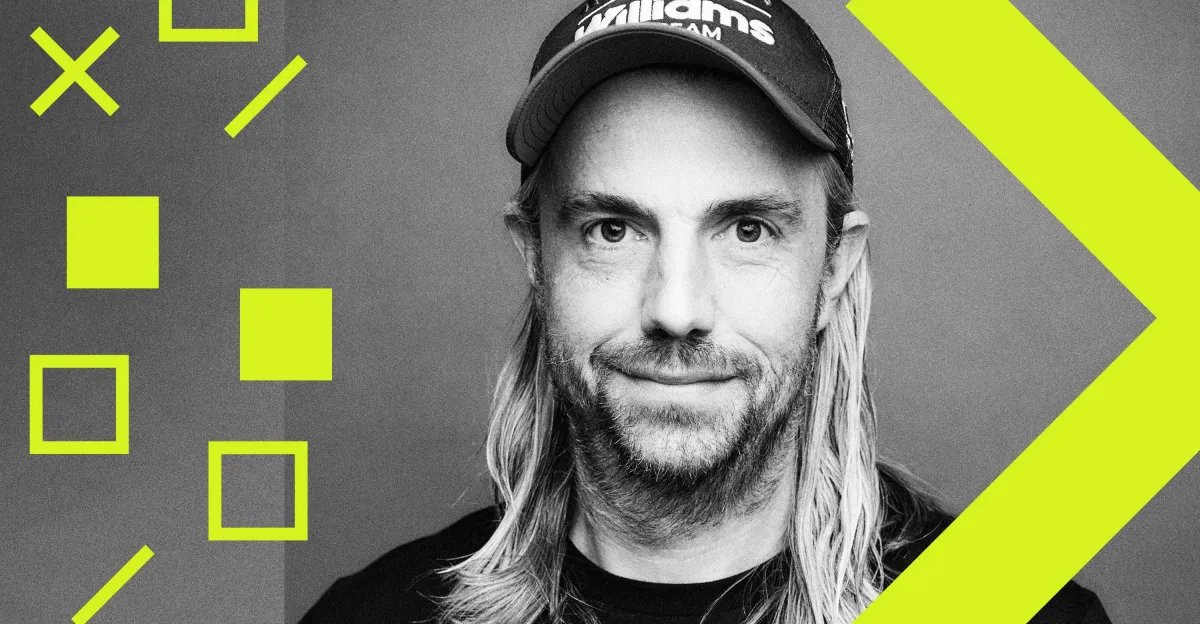
Atlassian is making the affirmative case that AI accelerates its platform rather than displacing it, and CEO Mike Cannon-Brookes sat down with The Verge’s Nilay Patel to argue exactly that in a wide-ranging conversation about enterprise software’s AI moment. The company reports 30% revenue growth on a roughly $7 billion annual run rate, cut roughly 10% of its workforce in March to shift skill mix toward AI and enterprise sales, acquired The Browser Company’s Dia product, and says customers using its MCP server (a protocol letting AI agents read and write to external systems) grow annual recurring revenue at twice the rate of those who don’t.
What this means for your business
The SaaSpocalypse thesis, that frontier AI models will simply synthesize across disconnected data stores and render purpose-built SaaS platforms redundant, is the specific bet Cannon-Brookes is taking money against. Your exposure to this argument depends less on which vendor you use and more on how you’ve been framing AI investment internally. If your team is treating AI as a migration shortcut, a way to avoid consolidating on coherent platforms, Cannon-Brookes is telling you that path produces data of diminishing value to agents because context graphs built from years of linked work items in Jira are structurally richer than anything a wrapper over fragmented legacy systems can replicate.
The empirical claim buried in the earnings data is worth isolating. Customers using Atlassian’s MCP server grow Jira seat counts at least 5% faster and double their ARR growth rate compared to customers who don’t. That’s the opposite of the cannibalization story. The intuition behind it makes sense: an AI agent that can read and update a well-structured work management system creates demand for more work to be tracked in that system, not less. The recurring failure mode for enterprise AI programs is deploying agents against data that was never curated for machine consumption, and then blaming the model when outputs are unreliable.
Cannon-Brookes draws a distinction between input-bound roles, where AI genuinely compresses headcount because the work volume is fixed, and output-bound roles like engineering where no team has ever run out of roadmap. That framing is useful for workforce planning conversations your CHRO is probably already having, but it should also reshape how you evaluate vendor consolidation pitches. A platform whose AI features accelerate output-bound functions is a different procurement decision than one that automates input-bound processes. If your Atlassian renewal is coming up alongside a competing pitch from a point solution with a shinier AI demo, ask which category of work each one actually serves. That question alone will narrow the decision faster than any benchmark comparison.
Concept deep-dive: Model Context Protocol (MCP)
MCP is an open standard that lets AI agents connect to external tools and data sources, roughly analogous to USB for software integrations. Instead of building a custom connector for every application, developers expose an MCP server and any compatible AI model can read from and write to that system. The business relevance is that MCP determines how much useful context an agent actually has when it acts, which is the single biggest driver of whether agentic workflows produce reliable outputs or expensive hallucinations at scale.
Based on reporting from The SaaSpocalypse that wasn’t, with Atlassian CEO Mike Cannon-Brookes, originally published 2026-09-28 10:00:00.