

Share with your COO
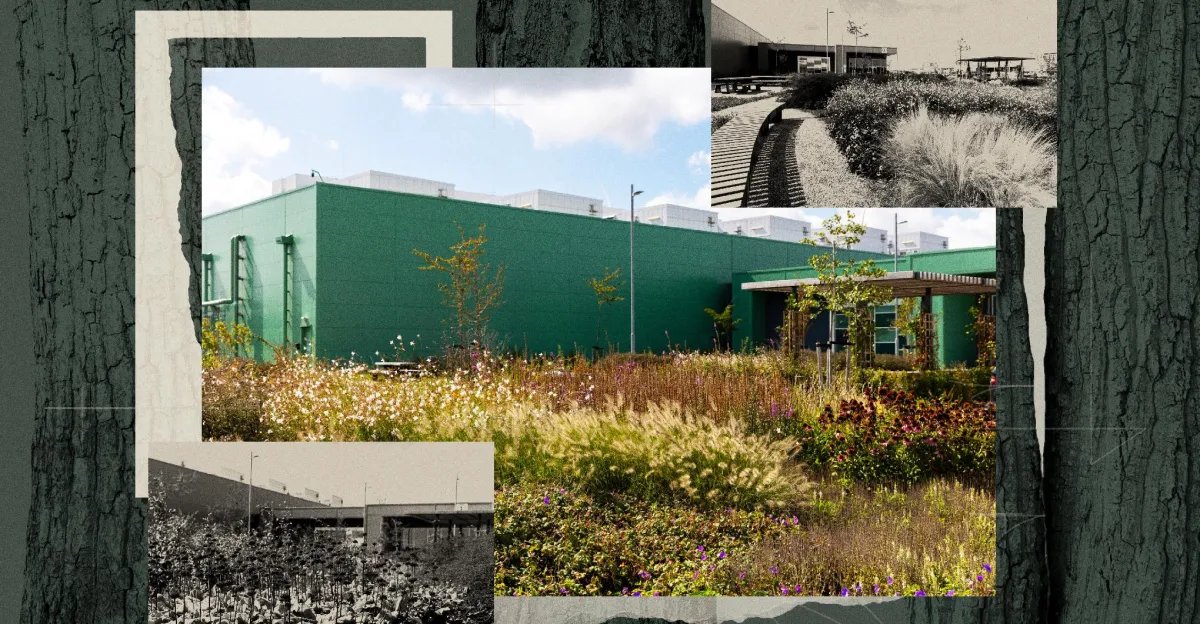
Microsoft is betting that “biomimicry,” designing data center campuses to blend into and actively restore local ecosystems, can neutralize the community opposition that is now producing construction moratoriums from San Antonio to statewide Texas. The program includes native plantings, creek restoration projects like the $4.2 million Lamparek Creek effort in Mount Pleasant, Wisconsin, and vegetative noise buffers around facilities. Microsoft already operates more than 300 data centers across 34 countries and is expanding aggressively, but its carbon emissions jumped 25 percent in 2025 even as community resistance to new builds intensifies.
What this means for your business
Any organization with major AI infrastructure commitments, whether building its own facilities or relying on hyperscale capacity, now has to price in a new variable: community opposition as a genuine site-selection risk. Microsoft’s biomimicry program is meaningful enough to have earned genuine praise from local watershed groups and city councilmembers, which matters precisely because those are the actors who can file moratoriums and block zoning approvals. Companies that assumed data center supply would simply scale to meet AI demand should revisit that assumption, because the political friction is becoming a physical constraint on capacity timelines.
The tension Microsoft can’t resolve with flower beds is the mismatch in scale. Restoring a creek and planting pollinator gardens are real, measurable goods at the site level. They do nothing to address the 20-year natural gas agreement with Chevron for a West Texas campus, the 25 percent single-year emissions jump, or the reported retreat from hourly renewable energy matching. Adrian Shelley at Public Citizen called it “lipstick on a pig,” which is blunt but structurally accurate: the cosmetic interventions operate at the parcel scale while the systemic impacts operate at the grid scale. That gap is exactly what regulators and governors are now moving to close by force.
The operations leader who should pay closest attention isn’t the one building data centers; it’s the one relying on contracted hyperscale capacity with 2026-2028 delivery windows. If Texas moratoriums expand or tighten, and if other high-growth markets follow with similar audits of electricity and water commitments, projected capacity availability slips. Microsoft’s community engagement approach is genuinely better than its peers, and it may buy meaningful goodwill in individual markets. What it won’t do is substitute for a credible emissions trajectory, and that’s the number regulators, state legislators, and increasingly local councils will ask to see next.
Based on reporting from If a data center is camouflaged in the woods, will anyone hate it?, originally published 2026-10-02 08:00:00.