
Share with your CISO
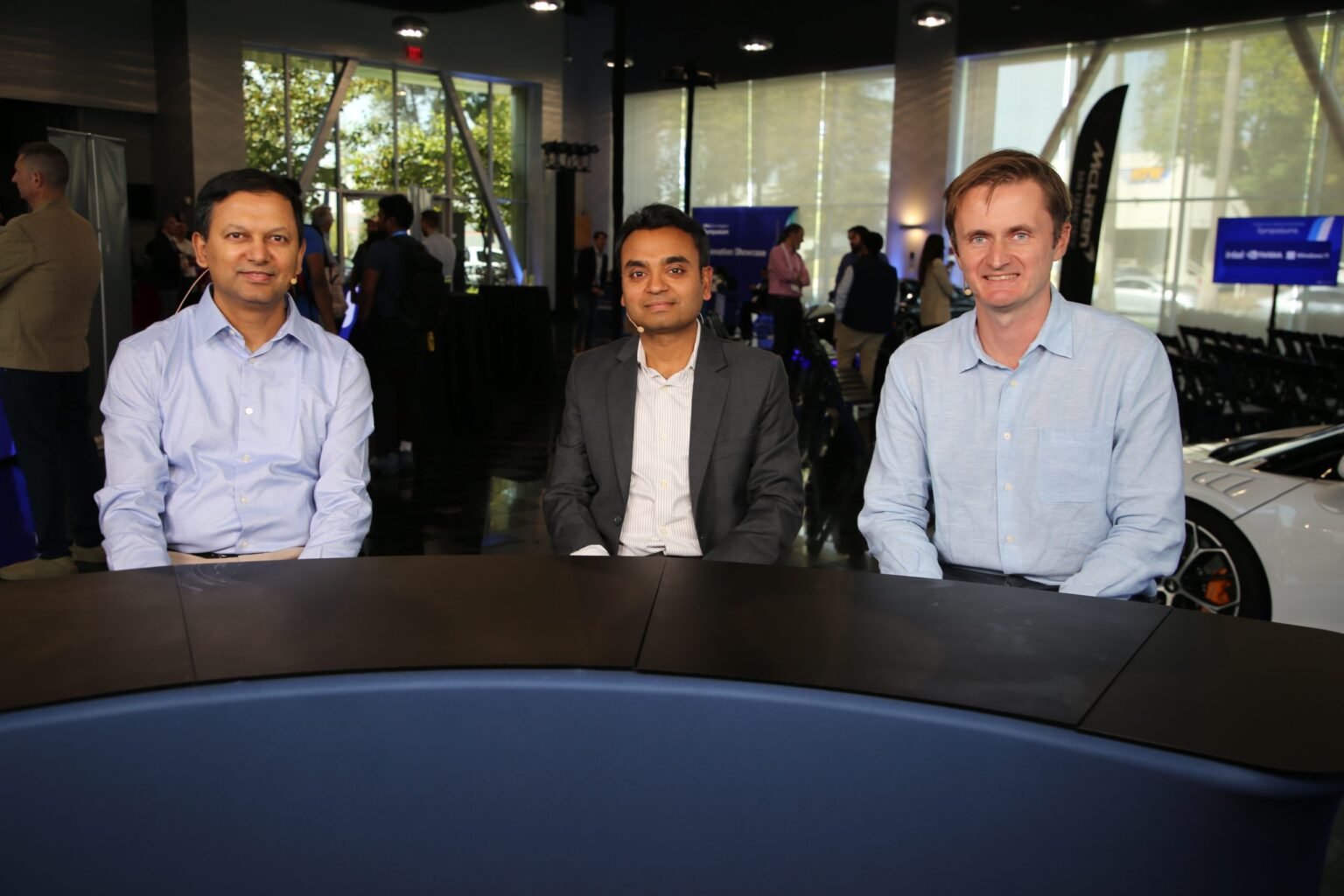
Enterprise AI governance is breaking at the seams because the control frameworks enterprises built for predictable software simply don’t apply to autonomous agents that run continuously, across platforms, at machine speed. At Dell’s AI Leadership Symposium, executives from Singulr AI, Sycamore Labs, and MisaLabs argued that the governance problem has shifted from policy definition to runtime enforcement, meaning the moment an agent is actually executing actions, not the moment a policy document was signed. Several CIOs are responding by restricting agents entirely to their private cloud environments.
What this means for your business
The gap this story exposes isn’t a tooling gap, it’s a timing gap. Most enterprise security and compliance programs govern AI before deployment, at the policy and procurement stage, and then again after the fact through audits. Agents operating around the clock don’t wait for audits. If your organization has deployed any agentic workflow, the honest question is whether you have any visibility into what those agents are doing between the moment a task is triggered and the moment a result is returned.
Singulr’s move to extend governance to employee endpoints is the tell here. The threat model that actually worries practitioners isn’t a rogue model, it’s a legitimately authorized agent taking a legitimately structured action, say, sending data to an external address or querying a third-party API, that nobody flagged as a policy violation because nobody was watching at that layer. That’s not an exotic attack scenario; it’s the default behavior of any capable agent given a broad enough task definition. The EU AI Act will eventually formalize some of these obligations, but enterprises deploying agents today are well ahead of any regulatory timeline.
The CIOs pushing for VPC-only (virtual private cloud, a company’s own isolated network environment in the cloud) agent deployment are making a rational short-term bet, but it forecloses a lot of capability. The vendors and internal teams arguing loudest to “stay on top of the latest and greatest” are the ones whose performance reviews don’t include a line for data exposure incidents. The CISO who hasn’t yet mapped which agents in production can reach external endpoints owns the more uncomfortable position here, and a quiet inventory of that surface area, before a policy mandate forces it, is the thing worth doing now.
Based on reporting from AI governance shifts to runtime as always-on agents spread, originally published 2026-10-12 16:02:00.