
Share with your CIO
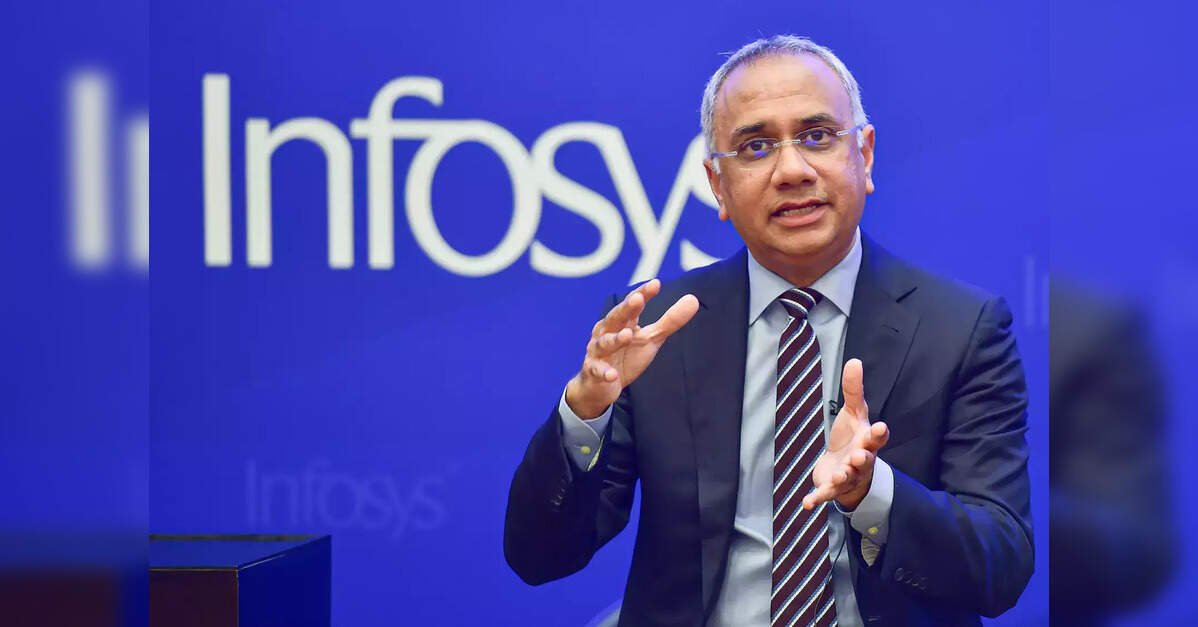
Infosys is betting that AI labs validating the need for deployment partners is the strongest possible argument for the firm’s own survival, and outgoing CEO Salil Parekh is leaning into it hard. In a wide-ranging exit interview, Parekh frames AI as a $300 billion services opportunity, notes Infosys already books 8% of revenue from AI-related work, and pushes back on fears that foundation model providers will absorb the integrator role. The firm has 300,000 employees and 1,800 clients, many relationships spanning 10 to 20 years, which he treats as a structural moat rather than overhead.
What this means for your business
The CIOs who should read Parekh’s comments most carefully are those mid-renewal with a large systems integrator, wondering whether to consolidate more work with a hyperscaler or model provider directly. The argument Parekh is making, and it is an argument pitched by someone whose firm profits most if you believe it, is that enterprise-scale deployment complexity remains durable. That may be true. But the same claim was made about digital transformation complexity a decade ago, and some of that work did migrate to platform-native tooling faster than the integrators predicted.
Parekh’s most analytically interesting point is the one he doesn’t linger on. When he says labs like Anthropic and OpenAI are standing up their own “deploy co” arms, he treats that as validation of the integrator model. A sharper reading is the opposite signal: the labs are building deployment capacity because they think it is valuable enough to own, not because they plan to leave it permanently to Infosys and its peers. The distinction matters for anyone evaluating whether a current service contract is a bridge to the AI-native state or a drag on getting there.
Outcome-based pricing is the metric to watch. Parekh is deliberately cool on how fast it moves, which makes sense for a firm whose margins depend on headcount-anchored contracts. If your vendors are still resisting outcome-based terms in 2026, that resistance is telling you something about where the productivity gains from AI are actually landing. The decision this reframes is whether your next large-deal renewal locks in the old cost structure under new language, or genuinely shifts financial exposure toward the vendor when results don’t materialize.
Based on reporting from AI labs are proving why IT cos still matter: Infosys CEO Parekh, ETHRWorld, originally published 2026-07-30 21:34:00.