
Share with your CHRO
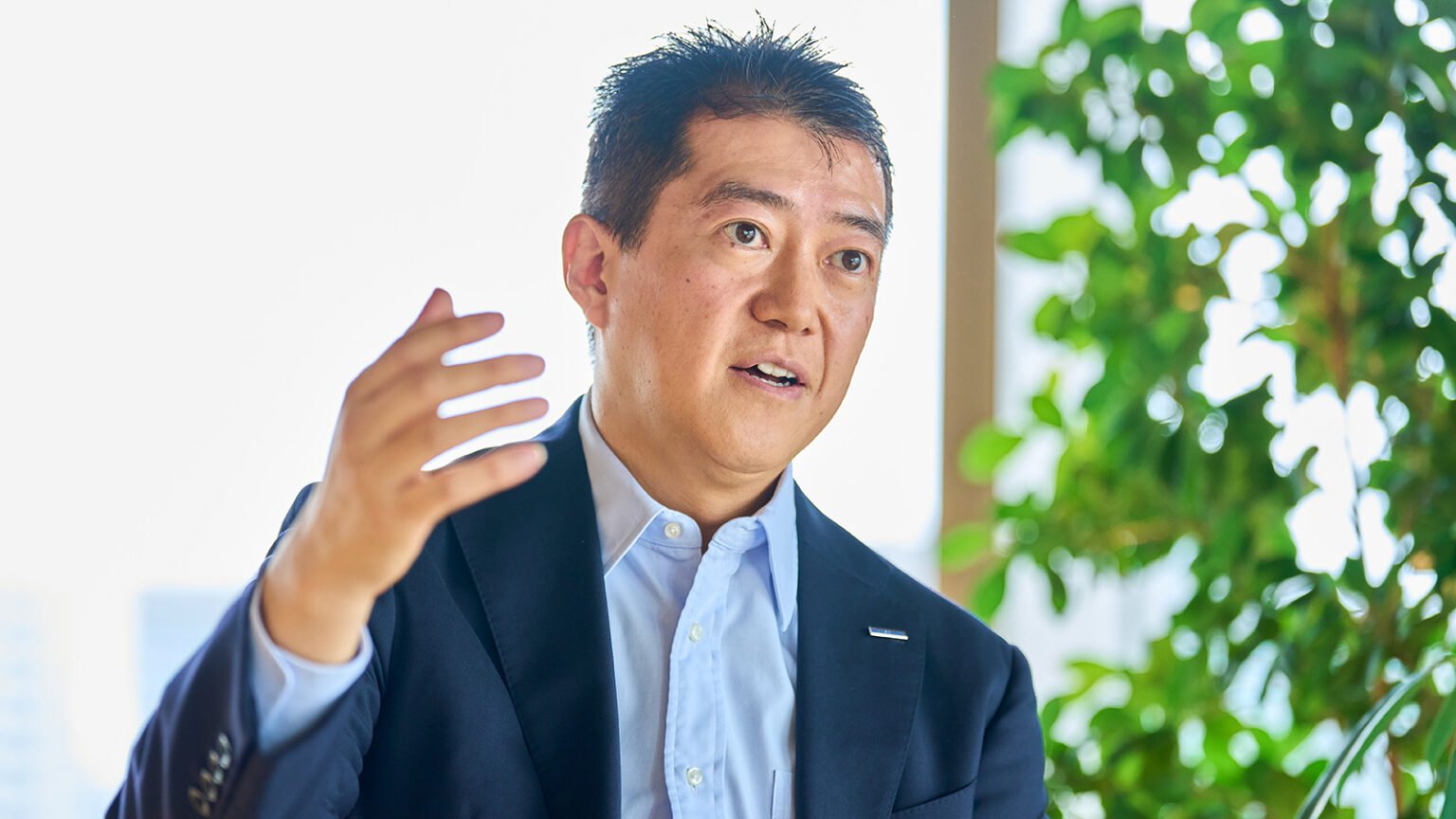
Panasonic Group CHRO Tatsuo Kinoshita is repositioning HR from a rule-keeper into a front-line driver of business change, with generative AI as the primary tool for getting there. Writing in Panasonic’s internal leadership series, Kinoshita describes an AI-led HR overhaul spanning systems, workflows, and employee-facing platforms, backed by a new internal competition called the “HR UNLOCK AWARD” that rewards staff who use AI to redesign business processes, not just automate tasks.
What this means for your business
The recurring failure mode in large-company HR transformation is that AI investments get absorbed by the compliance and reporting layers, where risk tolerance is lowest, and never reach the cultural substrate where behavior actually changes. Kinoshita’s framing is notable precisely because it treats AI literacy and process redesign as a single capability, not a sequence. CHROs at comparably sized industrial conglomerates should ask whether their own AI programs are sitting in HR-ops efficiency projects or touching the harder question of why people in the organization avoid risk in the first place.
The “HR UNLOCK AWARD” is a small mechanism doing real structural work. Internal competitions that surface grassroots AI use cases accomplish something vendor-led rollouts cannot: they generate social proof inside the company’s own culture, and they identify the employees who are already running ahead. Panasonic, writing from the position of a company selling its own transformation story (which creates an obvious incentive to emphasize momentum over friction), still lands on a design principle worth borrowing. Recognition systems tied to AI-driven process change shift the incentive gradient away from compliance toward experimentation.
The bigger bet here is that AI changes what HR professionals are actually for. If AI handles policy lookup, benefits administration, and first-pass talent screening, the residual value of an HR professional becomes judgment, influence, and cultural diagnosis. Companies that treat AI adoption in HR as a headcount-reduction play will discover they’ve optimized the parts that were already working and left the harder organizational problems untouched. The decision worth examining before the next budget cycle isn’t whether to invest in HR AI tools, it’s whether the HR function has enough runway to experiment and fail before being asked to show cost savings.
Based on reporting from Group CHRO Tatsuo Kinoshita Shares Panasonic’s Approach to Human Capital Management: “Turning Human Potential into Business Strength” | Management/Financials | Company | Panasonic Stories, originally published 2026-07-17 00:00:00.