
Share with your CHRO
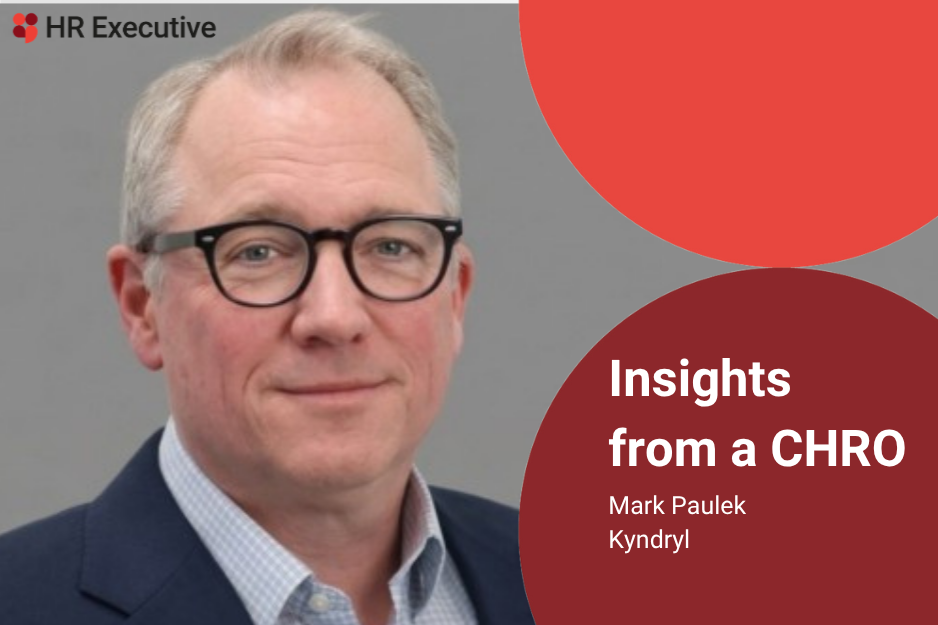
Kyndryl’s 2026 People Readiness Report, drawing on 1,100 senior business and tech leaders across eight countries, puts a number on what most HR leaders already suspect: only 23% say their workforce is fully ready for AI, down six percentage points from last year. The firm identifies just 9% of organizations as “Pacesetters,” those treating role redesign, skills gaps, and governance trust as a coordinated program rather than separate initiatives. Kyndryl is also backing a new role, the human systems architect, to help organizations manage the human-AI coordination problem at scale.
What this means for your business
The 23% readiness figure is striking less for its size than for its direction. A year into most organizations’ serious AI investment cycles, readiness is falling, not rising. That’s the signature of a specific failure pattern: companies are deploying AI tools faster than they’re redesigning the workflows and trust structures those tools depend on. If your organization is spending on AI capability while treating workforce readiness as a downstream concern, you’re already in the gap this data is measuring.
The Pacesetter finding deserves scrutiny. Kyndryl, an IT infrastructure services firm with a direct commercial interest in positioning workforce readiness as a solvable, billable problem, defines Pacesetters partly around criteria its own service offerings address. That’s not disqualifying, but it does mean the 9% figure likely flatters the gap’s severity and implicitly frames third-party advisory engagement as the remedy. What the data actually shows is more structural: the organizations closing the readiness gap are treating AI rollout as a change management program first, and a technology deployment second. That sequencing doesn’t require a vendor.
The human systems architect concept is where this gets genuinely interesting for CHROs. Most AI workforce frameworks stop at reskilling, teaching existing employees to use new tools. The HSA role operates one level up, auditing how work flows, where decisions land, and what organizational structures can absorb AI-driven change before deployment happens. Whether you hire for that role, retrain an existing operations or OD leader, or build the function into your HR business partner model is the real design question this surfaces. The organizations that get this right will have made that call by Q4.
Based on reporting from Kyndryl CHRO on why AI workforce readiness is lagging, originally published 2026-07-20 07:30:00.