
Share with your CTO
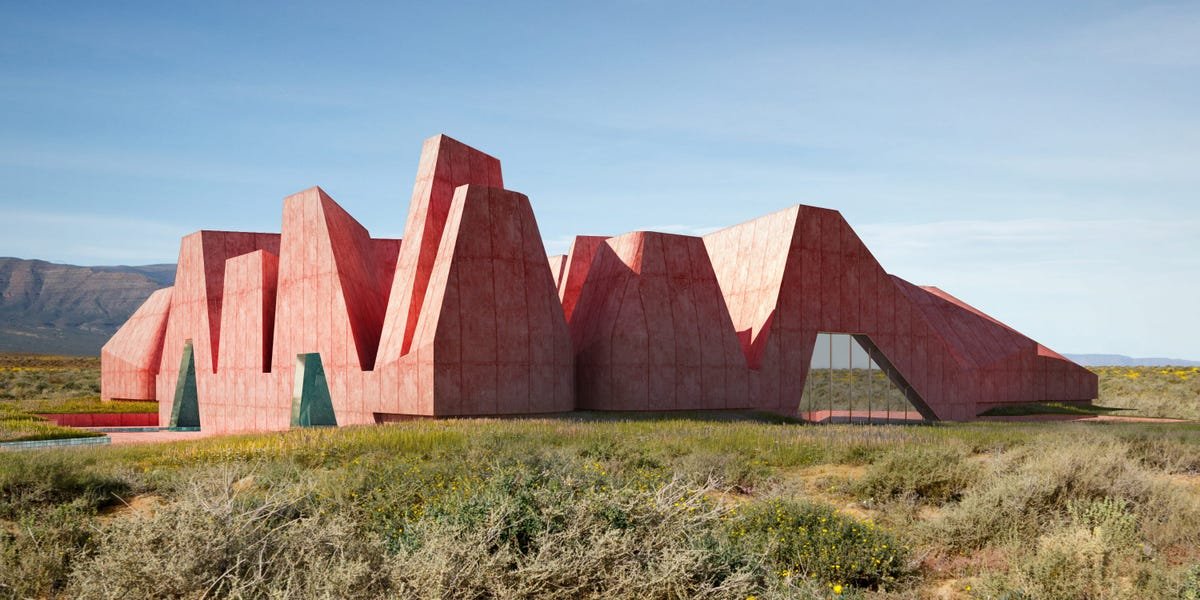
Architecture firms Gensler, Arup, and Forma are pushing hyperscalers and their developers to rethink what data centers owe the communities they land in. The pressure is real: a Business Insider analysis counted more than 1,400 US facilities built or approved by end of 2025, a Virginia study found 29% of operational data center properties within 200 feet of residentially zoned land, and a March Gallup poll put opposition at 71% of US adults. Design responses range from Corten-steel facades and public parks to waste-heat bathhouses and tomato farms, though architects themselves admit aesthetics and heat reuse don’t fully resolve the underlying resource claims.
What this means for your business
If your organization is among the enterprises leasing capacity from hyperscalers, this debate is several steps removed from your renewal decision. But if you’re evaluating colocation, building private infrastructure, or advising on site selection for AI workloads, the community-opposition dynamic is now a site-risk variable, not a PR afterthought. The 71% opposition figure and Virginia’s zoning data suggest permitting timelines and local regulatory friction will lengthen, and that cost needs to be inside any capacity-planning model you’re running right now.
The more interesting structural claim buried in this piece comes from Harvard GSD lecturer Marina Otero Verzier, who argues that “ecologies of data” should replace the default always-on, high-security monoculture. That framing matters because it maps to decisions CTOs already own. Not every enterprise workload needs the same availability tier. Cold data, archival inference outputs, and non-customer-facing batch jobs don’t require the same physical infrastructure as real-time model serving. Hyperscalers have tiered storage products, but the enterprise default is still to overprovision on availability, which drives both cost and the exact resource footprint communities are objecting to.
The architects quoted here are genuinely constrained, and Gensler’s Thomas McGoldrick says it plainly: clients prioritize speed, scale, and power access, and firms work within that. Design can reduce noise, improve aesthetics, and redirect waste heat, but it can’t shrink a facility’s power draw or water consumption, which are the complaints driving the 71% opposition number. The bet that good design closes the community-acceptance gap looks increasingly thin. The facilities that will face the least friction aren’t the prettiest ones; they’re the ones sited where land, power, and political context already align, and that’s a geography problem, not an architecture problem.
Concept deep-dive: Waste heat recovery
Data centers generate enormous heat as a byproduct of running processors, heat that conventional facilities simply expel into the air via cooling systems. Waste heat recovery captures that thermal output and redirects it to a useful end, think of it as the industrial equivalent of using your oven’s exhaust to warm your kitchen. The business connection is that recovered heat can supply district heating networks, greenhouses, or aquatic facilities, turning a liability into a community asset, but only where local infrastructure exists to receive and distribute it, which is the gap most concepts in this piece haven’t closed.
Based on reporting from Architects Rethinking the Design of AI Data Centers Near Communities, originally published 2026-07-18 04:11:00.