
Share with your CDO
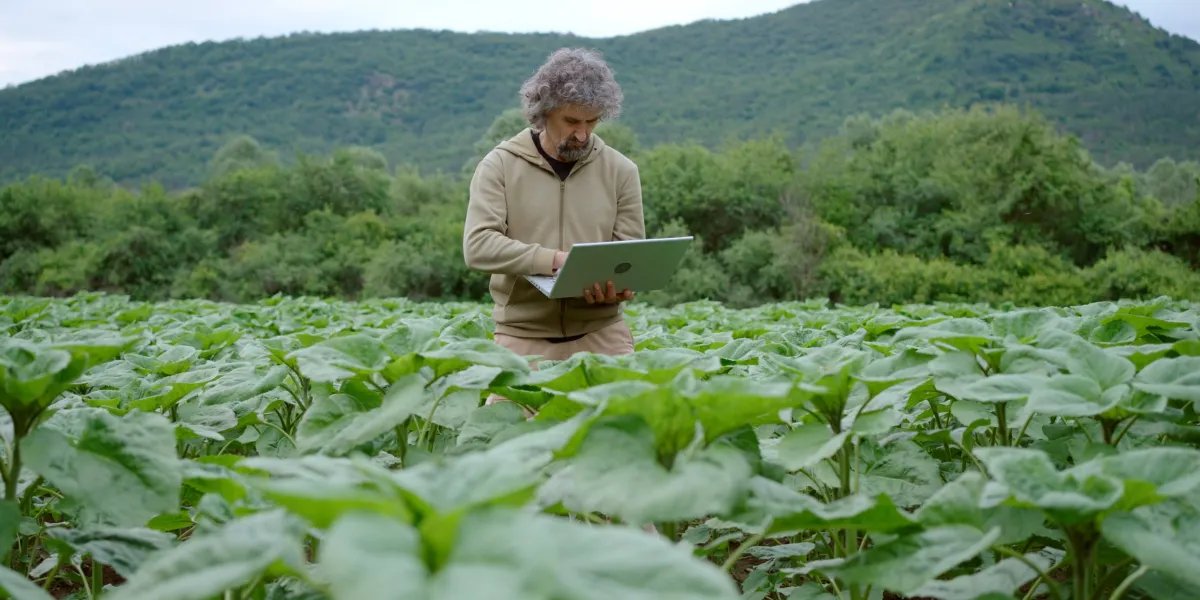
Wilbur-Ellis, a 104-year-old family-owned agricultural distributor, is making the case that agriculture’s AI readiness problem is really a data architecture problem. The sector collects enormous volumes of field-level information, from soil health records to real-time irrigation sensor readings, but stores it in disconnected systems that were never designed to share. Without a single governed data model connecting customers, suppliers, pricing, and margins, AI recommendations reflect a version of the business that may have expired months ago.
What this means for your business
Every industry thinks its data complexity is exceptional, and agriculture genuinely has a case. Field-level GPS coordinates, soil variation within a single property, chemical compliance requirements, and seasonal pricing shifts all have to resolve into one coherent model before AI can make a recommendation that’s safe to act on. The question for any CDO reading this isn’t whether agriculture is uniquely hard. It’s whether their own organization has quietly accumulated the same structural debt: accurate data locked in separate systems, with governance frameworks that haven’t kept pace with how the business actually operates today.
The piece, written from inside a vendor ecosystem that profits from solving exactly this problem, tilts toward making data readiness sound achievable with the right tooling, which nudges the timeline optimism. But the underlying diagnosis is correct and worth separating from the sales pitch. The recurring failure mode looks like this: a company invests in an AI layer, gets mediocre outputs, and blames the model. The real culprit is that the data pipeline feeding the model reflects organizational history, not organizational reality. Stale pricing, lapsed supplier relationships, and unmaintained customer records don’t announce themselves as errors; they just quietly degrade every recommendation the system produces.
The compliance dimension in agriculture, where a bad fertilizer recommendation applied to the wrong field block has immediate and measurable consequences, is a sharper version of a risk most CDOs already carry. If your AI governance framework can’t answer who owns data quality for a given domain, who updates it when business conditions change, and how fast the pipeline refreshes before a decision is made, you already have the same exposure. The vendor renewal or platform consolidation sitting on your roadmap this quarter is worth reframing around that question, not around feature counts.
Concept deep-dive: Data model
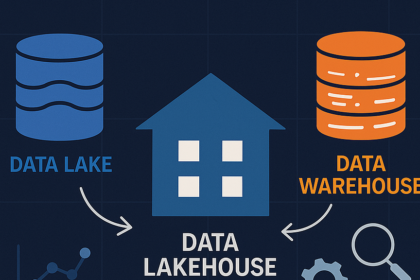
A data model is the organizational blueprint that defines what entities exist in a business (customers, products, suppliers, fields), how they relate to each other, and which system holds the authoritative version of each. Think of it as the wiring diagram behind every report and recommendation. Without one, AI systems pull from whichever source responds first, which may be outdated. With one, every query answers from the same governed truth, and errors propagate to one place rather than everywhere simultaneously.
Based on reporting from Agriculture is ready for AI, but its data isn’t, originally published 2026-06-30 08:00:00.