
Share with your CDO
The case for external data lake consulting as an AI accelerant rests on a familiar enterprise failure mode: organizations buy the AI tooling before they’ve built the data plumbing. Scattered data across departments, inconsistent formats, legacy systems that resist integration, and governance frameworks built reactively rather than by design collectively kill model accuracy and inflate time-to-value. The article argues that specialized consultants, bringing cross-industry pattern recognition and pre-built frameworks, compress implementation timelines that internal teams, distracted by competing priorities, routinely stretch past their original scope.
What this means for your business
Whether this argument lands depends on where your organization sits in a specific maturity band. If your data science team is spending more than a third of its time on cleaning and pipeline repair rather than model development, the internal-versus-consultant debate is already answered, even if your budget cycle hasn’t caught up yet. The organizations this story isn’t about are the ones that built data infrastructure ahead of AI ambition, typically cloud-native firms or those that went through a painful modernization before 2022. Everyone else is the target reader.
The comparison table in the original piece tilts toward consultants across every dimension, which is the expected shape of an argument published in a space where the linked service provider benefits from the conclusion. That incentive doesn’t make the core diagnosis wrong. The recurring failure mode in enterprise AI programs is exactly what the article describes: data scientists who were hired to build models end up functioning as data janitors, and the timeline slippage compounds from there. The genuine question is whether a consultant fixes the root cause or delivers a data lake that the internal team can’t maintain once the engagement ends. The piece gestures at knowledge transfer as a selection criterion but treats it as a checkbox rather than the central risk.
The build-or-buy framing inside data infrastructure decisions is reaching a tipping point. Cloud hyperscalers, Databricks, and Snowflake have made the commodity layer cheap enough that the real scarcity is now the governance and integration expertise sitting above it. A CDO evaluating a consulting engagement in 2025 should weight a firm’s track record on post-engagement team capability at least as heavily as its architecture credentials. The vendors who win long-term are the ones that make themselves optional, and that’s the criterion the RFP should stress-test first.
Concept deep-dive: Data lake
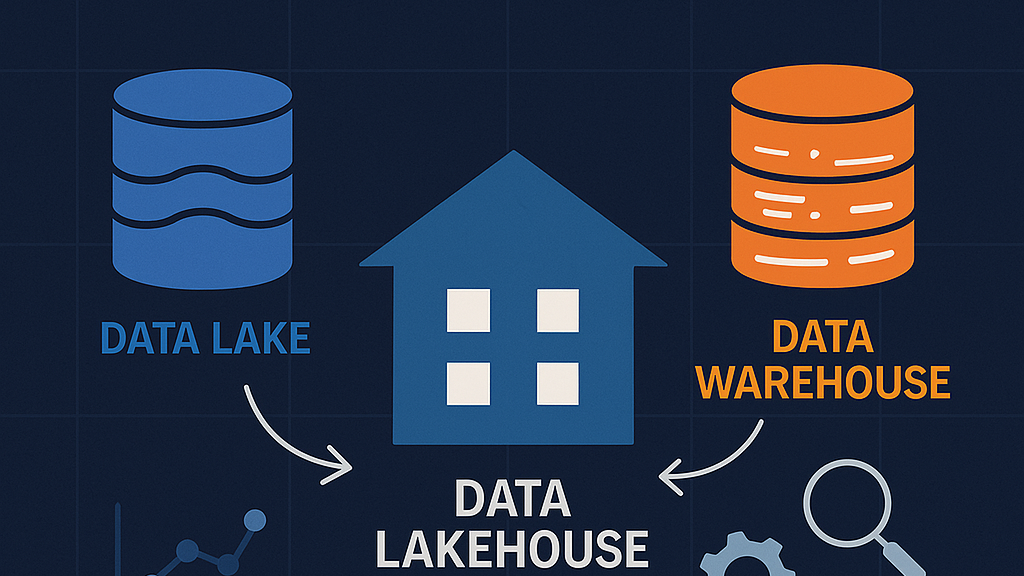
A data lake is a centralized storage environment that holds raw data in its original format, structured tables alongside unstructured files like documents, logs, and images, until it’s needed for analysis. Think of it as a warehouse that accepts any shipment without requiring it to be sorted on arrival, contrasted with a traditional data warehouse, which demands a predefined schema before anything goes in. For AI programs, the lake matters because model training requires volume and variety that rigid warehouse schemas routinely exclude.
Based on reporting from How Data Lake Consultants Accelerate Enterprise AI Adoption, originally published 2026-07-15 15:45:00.