
Share with your CIO
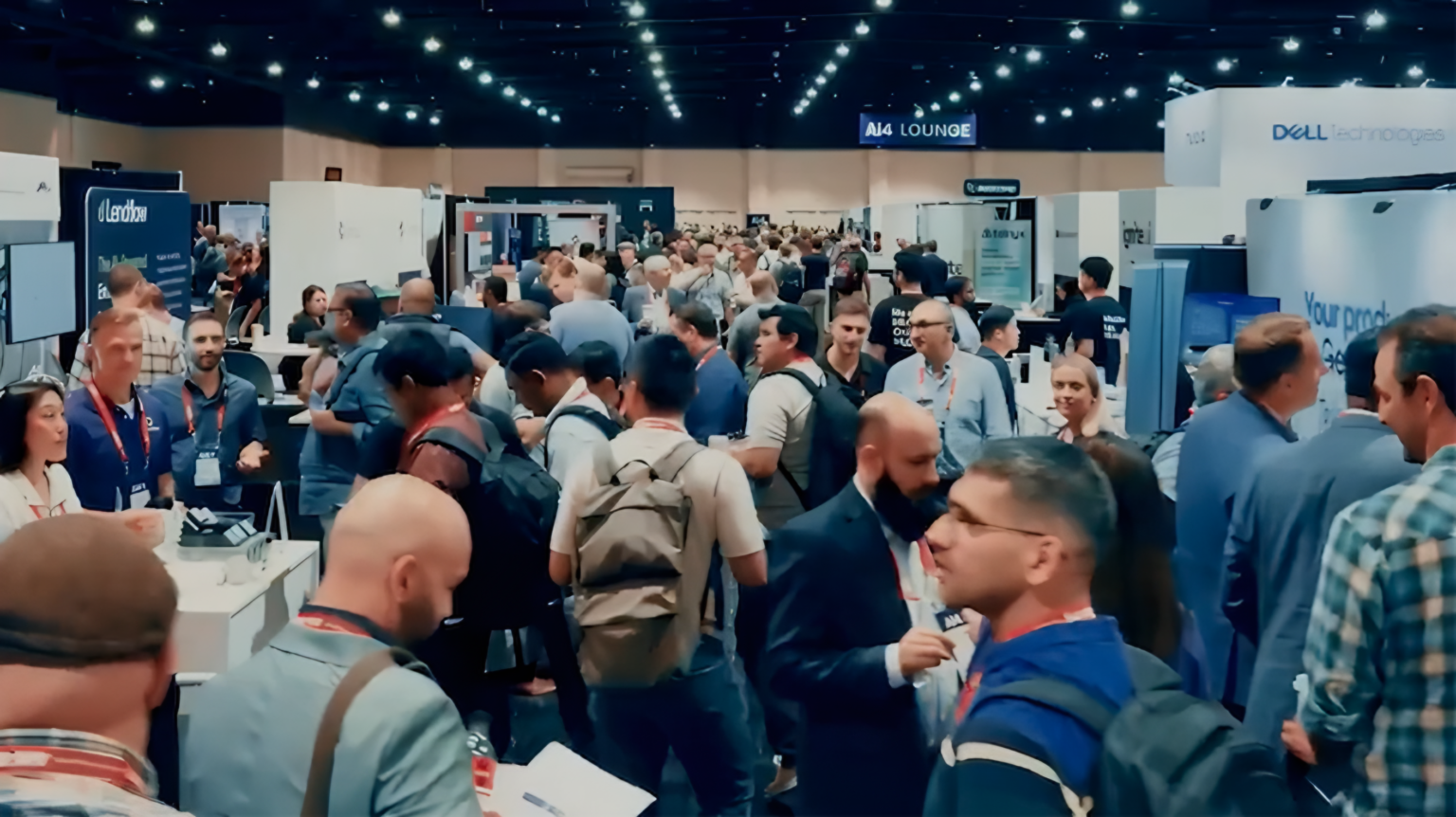
Ai4 2026 opens August 4 at The Venetian in Las Vegas with a clear editorial argument: enterprise AI has crossed from pilot to production, and the governing question is no longer capability but authorization. The conference’s largest programming cluster covers agentic AI deployment at scale, governance, and documented failure modes. The headline session on August 5 brings Geoffrey Hinton, Andrew Ng, and Fei-Fei Li together for a moderated conversation where Hinton’s publicly stated 10-20% extinction-probability view and Ng’s Senate-testified dismissal of that framing as regulatory capture theater will occupy the same stage.
What this means for your business
The conference agenda is itself a diagnostic. When the dominant track cluster shifts from “what agents can do” to “how you authorize and audit what agents are already doing,” that reflects a specific pressure point landing on CIOs right now. Organizations that moved agentic pilots into production over the past 18 months built the capability before they built the governance wrapper, and the authorization surface, meaning what data an agent can pull, what tools it can invoke, and what actions it can take without human review, is where the liability accumulates. If your enterprise is in that position, the Ai4 agenda is a map of the debt you’re carrying.
The Hinton-Ng debate is worth watching as a governance signal, not just intellectual theater. Ng’s argument that extinction-risk rhetoric functions as a competitive moat for large proprietary model vendors has a specific operational implication: the regulatory environment enterprises plan against may be shaped less by technical reality than by which companies benefit from which rules. Hinton’s counter, that voluntary corporate governance is structurally incapable of solving safety problems when fiduciary duty runs the other direction, is equally pointed. CIOs building AI procurement and risk frameworks in 2026 are operating inside that unresolved tension whether they engage with it explicitly or not.
The Waymo keynote on August 6 is the most grounded long-cycle data point at the conference. Seventeen years, more than $11 billion invested, and 400,000 paid rides per week is the actual commercialization arc for a safety-critical autonomous AI system built with a sensor-heavy, map-dependent architecture. That timeline should recalibrate any internal forecast that treats agentic AI deployment in high-stakes enterprise contexts as a 12-to-18-month execution problem. The question worth bringing to that session is how much of Waymo’s timeline was engineering, and how much was governance, liability, and institutional trust-building that no amount of model improvement could compress.
Concept deep-dive: Agentic AI authorization surface
An AI agent’s authorization surface is the full set of inputs it can receive, tools it can call, data it can access, and actions it can take without human approval at each step. Think of it as the blast radius if the agent receives a malicious prompt or misinterprets a task. Traditional identity and access management systems were built for human users making deliberate requests; agents make thousands of sub-requests autonomously, at speeds no access log review catches in real time. Defining and bounding that surface is the core unsolved enterprise security problem for 2026.
Based on reporting from Ai4 2026 Opens Tuesday: Hinton and Ng Face Off on AI’s Existential Stakes, originally published 2026-08-02 11:23:00.