
Share with your CTO
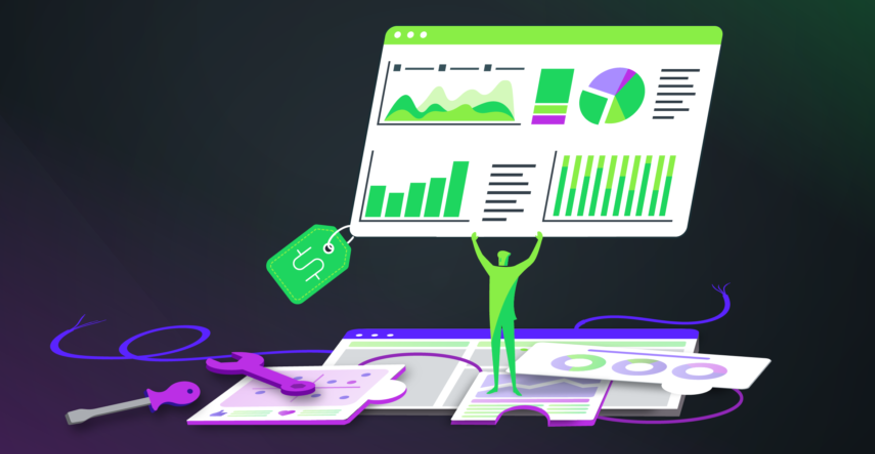
Engineering teams at software companies are hemorrhaging capacity to infrastructure that doesn’t ship product. Estimates put 60-80% of enterprise software lifecycle costs in maintenance, not innovation. SimCorp’s Pam Vance, whose team specializes in quantitative finance, makes the case bluntly: building licensing, entitlement management, and monetization infrastructure in-house is a false economy. The argument is for externalizing that undifferentiated plumbing, freeing engineers to drive product differentiation, compress time-to-market, and protect the quote-to-cash process as consumption-based pricing becomes the default in AI-era software.
What this means for your business
The hidden tax on engineering throughput isn’t headcount, it’s misallocated focus. A team of quantitative finance engineers spending sprint cycles on license entitlement logic isn’t just inefficient, it’s a category error. When the backlog fills with compliance guardrails and usage-tracking edge cases instead of product features, you’re not managing technical debt, you’re manufacturing it. The build-vs-buy calculus on operational infrastructure has shifted decisively toward buy, and most CTOs still haven’t updated their priors.
The recurring failure mode looks like this: a homegrown licensing system gets bolted together early because the commercial alternatives looked expensive, and then it becomes load-bearing. By the time the team realizes it can’t support hybrid deployment models or consumption-based billing, ripping it out costs more than the original commercial option ever would have. Vance’s “false economy” framing is exactly right. The upfront savings compound into downstream drag, slower releases, more fragile billing, and engineers who are contextually stuck maintaining systems they didn’t design for longevity.
Consumption-based pricing is the pressure point worth watching here. As AI features get priced per token, per call, or per outcome rather than per seat, the underlying usage-tracking and billing infrastructure needs to be far more precise and real-time than anything most homegrown systems were built to handle. CTOs who haven’t audited whether their monetization stack can support that pricing shift are running blind into a revenue architecture problem. The signal worth watching: how many of your current engineering escalations trace back to billing or entitlement failures rather than product functionality.
Concept deep-dive: Entitlement management
Entitlement management is the system that controls what a customer is licensed to access, under what conditions, and at what usage thresholds. It exists because software products increasingly have dozens of feature tiers, deployment modes, and pricing models that need to be enforced programmatically rather than by contract. Think of it as the bouncer layer between your product and your pricing strategy. When it breaks or lags, customers over-consume without paying, or get blocked from things they’ve paid for. In AI-era products with consumption pricing, a weak entitlement layer is a direct revenue leak.
Based on reporting from Ditch boring, build brilliant: Why devs should focus their brilliance on building products, not processes, originally published 2026-08-04 09:48:00.