
Share with your CHRO
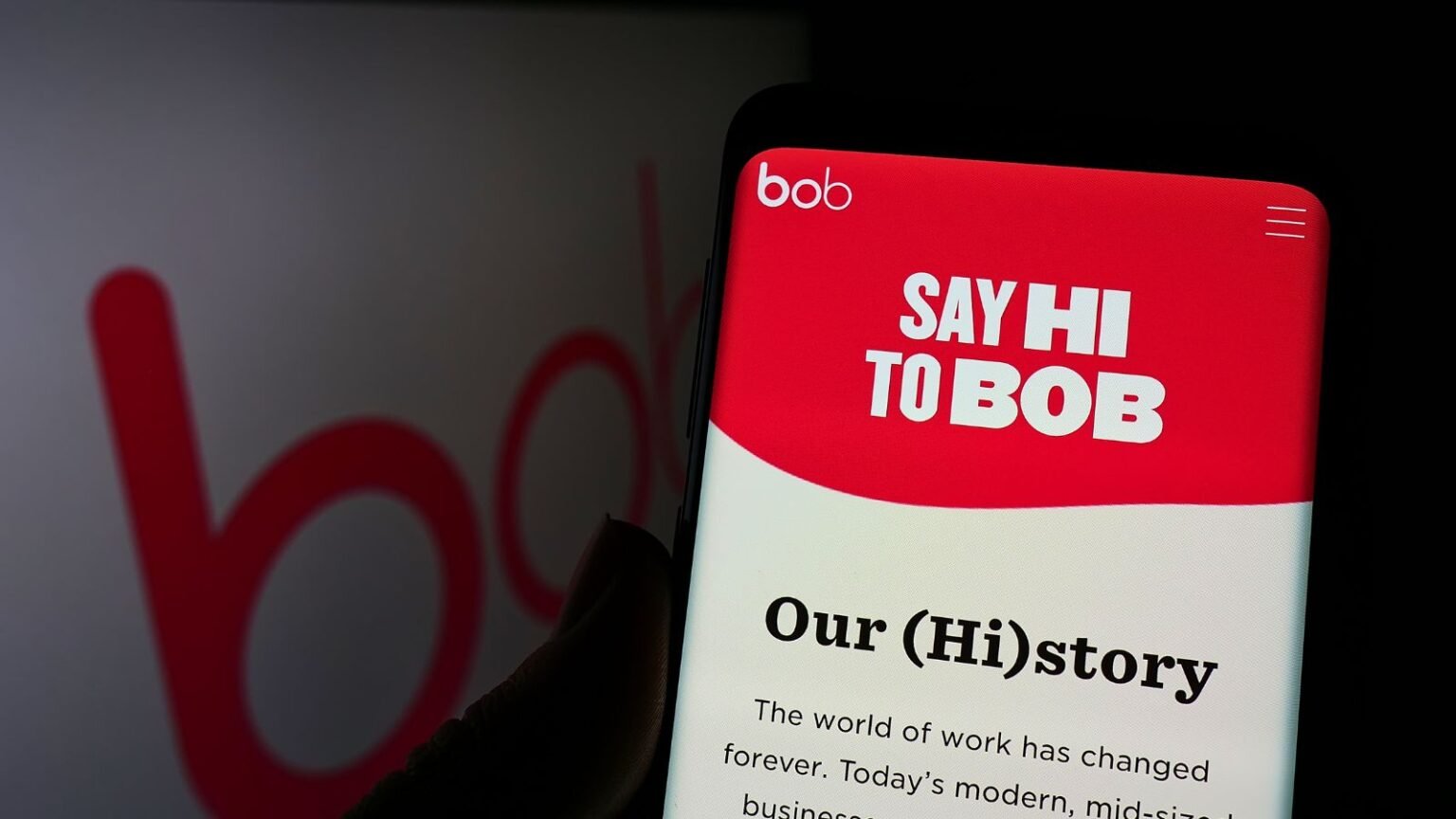
HiBob is betting that the mid-market HR software gap, where companies have outgrown lightweight tools but don’t want a multi-year Workday or SAP implementation, is large enough to build a significant business around. Its Bob HCM platform spans core HR, performance, compensation, learning, people analytics, and AI-assisted workflows for more than 5,000 customers globally. Marketing intelligence firm MediaRadar completed a global rollout in three months. Fulham F.C. used Bob to automate compliance tracking across 600-plus employees. The AI layer covers review summaries, skills frameworks, and policy guidance, with HiBob stating customer data isn’t used to train its models.
What this means for your business
The companies most exposed to Bob’s pitch are those running HR on a patchwork of point solutions, where performance data, compensation decisions, and workforce reporting live in different systems and get reconciled manually before every leadership conversation. If your HRBP team spends meaningful time assembling data rather than interpreting it, you’re the buyer this platform is designed for. Organizations with highly complex global payroll, deep union requirements, or mature strategic workforce planning infrastructure are less obviously in scope.
The MediaRadar case study is worth examining carefully, not because three months is a realistic universal timeline, but because it reveals the conditions under which Bob actually delivers. The company controlled scope tightly, prioritized data model validation before go-live, and had executive alignment on what consistency meant globally versus locally. That’s the implementation discipline that determines whether a configurable HCM platform becomes a genuine system of record or just another layer of complexity. Bob’s flexibility, which the vendor positions as a differentiator against rigid enterprise suites, is exactly what creates inconsistency risk when regional teams are left to design their own performance or compensation workflows without shared job architecture or common data definitions.
Bob AI’s governance posture, requiring explicit confirmation before writing to company data and respecting existing permissions, is the right design for HR tooling, where an automated compensation adjustment or a performance record change has legal and employee-relations consequences. But the AI capability that matters most isn’t content generation or review summaries; it’s whether the platform can surface workforce risk signals that HR leaders can actually defend to a board or regulator. That requires clean underlying data first. CHROs evaluating Bob should run a proof-of-concept against their own messy, real-world workforce data before drawing conclusions from a polished demo. If the analytics hold up under those conditions, the platform has earned the conversation. If they don’t, no amount of AI roadmap promises changes the answer.
Based on reporting from Can HiBob Bob End HR’s Spreadsheet Chaos?, originally published 2026-08-06 10:41:00.