
Share with your CRO
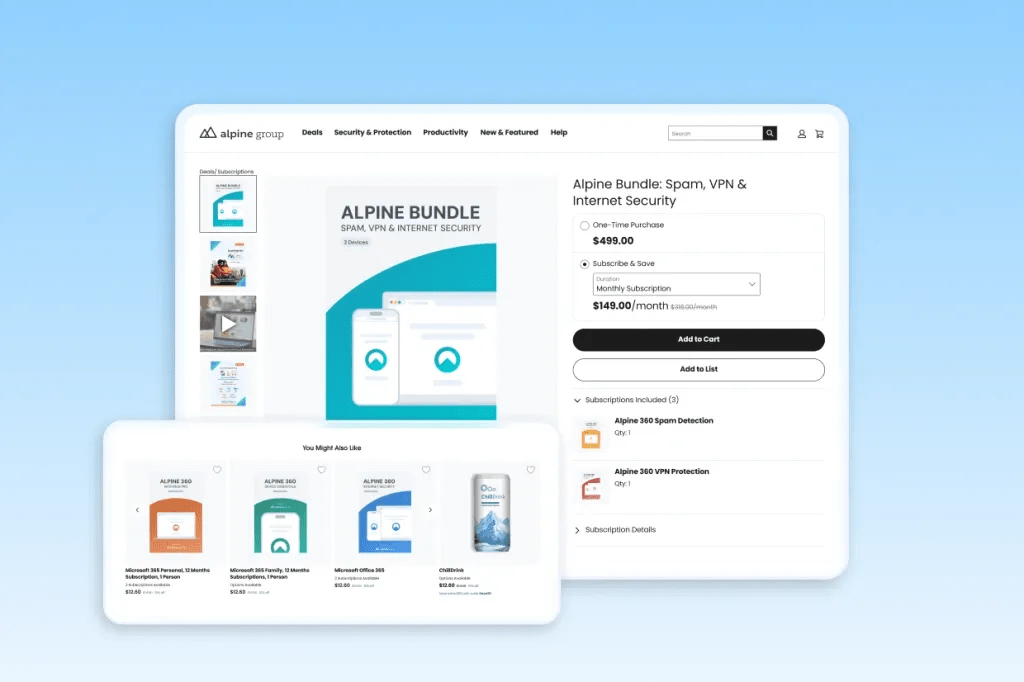
Salesforce is betting that B2B manufacturers will consolidate quoting, subscription billing, and digital storefronts onto a single platform rather than stitch together point solutions. The Spring ’26 release of Agentforce Commerce adds a product configurator for complex builds, a request-for-quote flow that keeps buyers on the storefront while routing to a rep, and self-service subscription management. A Forrester study cited by Salesforce puts the ROI at 289% with a 5% margin improvement. Guided Shopping Agents, capable of reading contract pricing and past order history, handle multilingual buyer interactions without added headcount.
What this means for your business
The revenue leader whose team still operates across a disconnected configure-price-quote tool, a separate billing system, and a commerce storefront is the direct target here. If your sellers routinely re-enter data that buyers already submitted, or if a subscription amendment requires a support ticket instead of a buyer clicking a button, this release is describing your current cost structure. Companies already deep in the Salesforce ecosystem have the clearest path to capturing the consolidation savings; those on best-of-breed stacks face a more complicated tradeoff.
The genuinely interesting move is the request-for-quote handoff, and not for the reason Salesforce emphasizes. The pitch is buyer convenience, but the structural effect is different: it gives revenue operations a single system of record for every deal regardless of how it started. When a buyer builds a cart and converts it to an RFQ, the rep sees exact context, meaning no translation loss between what the buyer wanted and what the seller quotes. That closes a gap that typically costs margin in negotiation, because sellers overcompensate for ambiguity by discounting. Salesforce, which sells into this workflow and has obvious incentive to frame consolidation favorably, nonetheless points at a real inefficiency here.
The Guided Shopping Agent capability is where the agentic claim gets tested most directly. An agent that understands pre-negotiated contract pricing and permission rules, rather than just surfacing a generic catalog, is a materially different tool than a search bar with a chat wrapper. The leading indicator to watch is whether manufacturers can actually configure those rules without a prolonged implementation. Salesforce’s open-source Lightning Web Components move is a signal they understand that TCO dies in customization costs, but the honest check is implementation timelines in the wild, not Forrester composite models. I’d revise the ROI case downward if early adopters report that agent tuning requires the same professional services spend as the integrations it replaced.
Based on reporting from New B2B innovations for Agentforce Commerce, originally published 2026-01-14 03:00:00.