
Share with your CISO
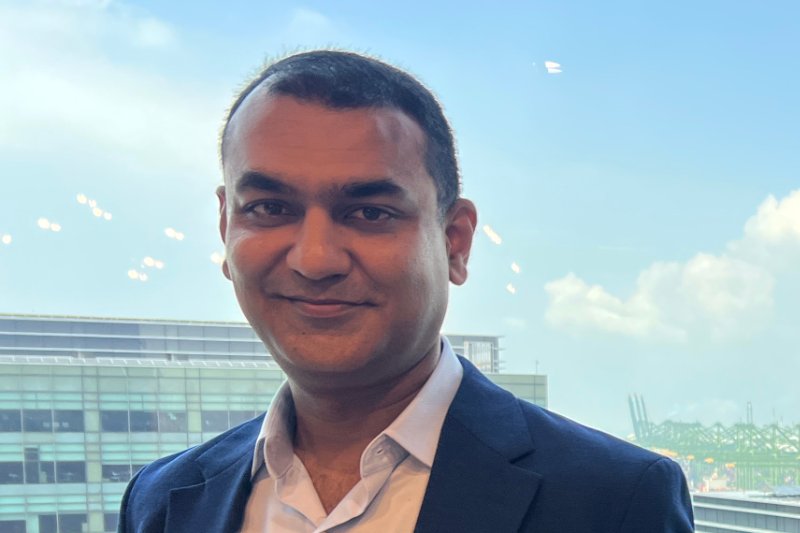
Singapore’s S$23.9 billion tourism economy, built on Formula 1 weekends, stadium concerts, and now 16.9 million annual visitors, depends on a public safety stack most attendees never register. Rajat Gupta of Motorola Solutions argues that AI-augmented event security infrastructure is shifting from incident response to anticipatory threat detection, combining video analytics, TETRA communications networks, and command center software into a unified operational picture. The claim is that AI now surfaces crowd-crush risks and site anomalies faster than any human monitoring team can, enabling earlier intervention without proportionally scaling headcount.
What this means for your business
If your organization operates or secures physical venues, transit hubs, or large public-facing environments, this story is directly about your architecture. The pattern Motorola Solutions is describing, distributed video feeds processed by AI analytics that alert a central command rather than relying on individual guards watching individual screens, is already deployed in Tier 1 cities globally. Whether you’re on the buying side of that procurement or still running a camera-plus-human model, the competitive exposure is the same: your incidents will be benchmarked against venues that caught the anomaly before it became a headline.
The piece is written by a Motorola Solutions executive, which means the timeline for AI maturity in public safety reads optimistically and the integration complexity gets softened considerably. That specific tilt matters here because the harder operational truth is interoperability. AI video analytics from one vendor, communications infrastructure from another, and a legacy command center platform from a third rarely produce the clean unified picture the article describes without significant systems integration work that can run 18 to 36 months in large deployments. Any CISO evaluating this architecture should treat the “shared operational picture” framing as the destination, not the starting condition.
The leading indicator to watch isn’t whether AI catches a crowd-crush event on camera. It’s whether insurers and government licensing bodies start treating AI-augmented monitoring as a baseline requirement for large-event permits, the way fire suppression systems became non-negotiable. If that shift happens, the budget conversation stops being an ROI exercise and becomes a compliance floor. A renewal of your current physical security platform deserves a harder look at whether it has an AI analytics integration path, because the vendor without one will be out of the conversation before the next event-season procurement cycle opens.
Based on reporting from Singapore’s tourism economy depends on unseen AI security, originally published 2026-08-05 06:52:00.