
Share with your CTO
SambaNova is betting that on-premises AI inference, the process of running trained models to generate real-time outputs, is the next infrastructure battleground, and a fresh $1 billion Series F at an $11 billion valuation gives it the runway to fight for it. General Atlantic led the round, with T. Rowe Price, BlackRock, and Qatar Investment Authority among the backers. The signal that matters most isn’t the valuation: it’s that JPMorganChase is deploying SambaNova’s RDU systems as an on-prem inference partner, naming performance, control, and reliability as the bar.
What this means for your business
The JPMorganChase deployment is the more consequential detail in this announcement. A tier-one financial institution running on-premises inference on non-Nvidia silicon is a live proof point that alternatives to the default GPU stack are clearing the bar in regulated, latency-sensitive environments. If your organization is currently in a chip-vendor evaluation or a renewal cycle with your cloud inference provider, SambaNova just got a reference customer that’s hard to dismiss.
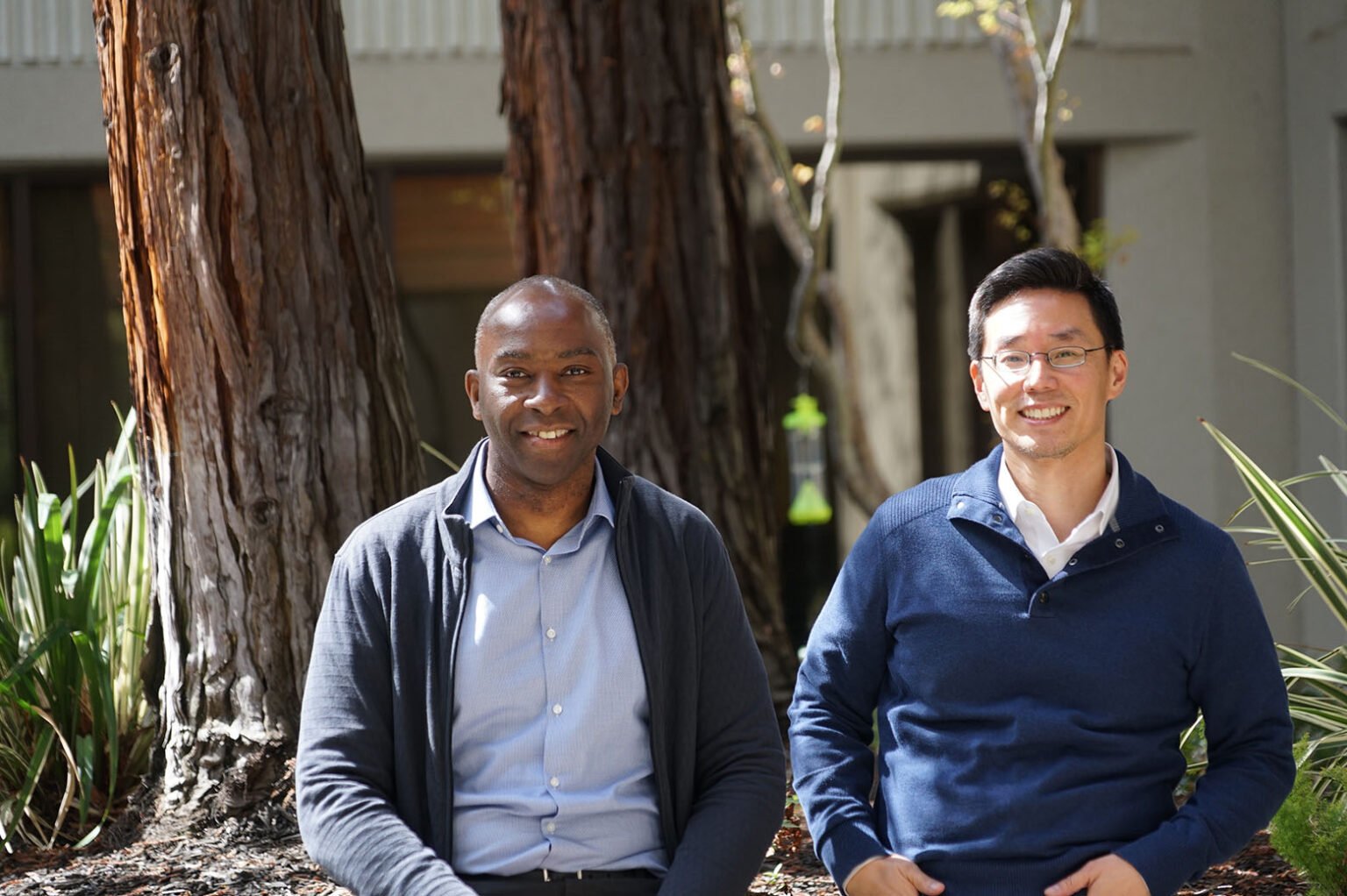
The broader claim co-founder Kunle Olukotun is making, that inference infrastructure will shift toward heterogeneous disaggregated compute rather than homogeneous GPU clusters, is a genuine architectural thesis, not a marketing slide. Disaggregated compute means separating the components that process and store data so each can scale independently, rather than buying bigger monolithic GPU nodes. It’s the same logic that separated compute from storage in cloud databases, and it won the last infrastructure cycle. Olukotun has the chip-design pedigree to execute on it, having helped pioneer chip multiprocessor designs before founding SambaNova. The risk is whether enterprise procurement moves fast enough to meet the company before its capital runs out.
The decision this reshapes isn’t whether to watch SambaNova. It’s whether your inference architecture is already locked into a single vendor’s roadmap. The companies that structured their inference layer as a swappable component, rather than a deep integration with one cloud provider’s proprietary stack, are the ones who can actually act on a competitive alternative like this. If your current stack makes that swap painful, that’s the thing to weigh at your next architectural review, not after the contract renews.
Concept deep-dive: RDU (Reconfigurable Dataflow Unit)
An RDU is SambaNova’s custom chip architecture, designed specifically for AI inference workloads rather than adapted from general-purpose graphics processing. Where a GPU processes tasks in parallel batches optimized for training large models, an RDU routes data through the chip dynamically based on the model’s computational graph, similar to rewiring a factory floor for each product run instead of running every product down the same fixed line. The business case is lower cost and higher throughput for production inference at enterprise scale.
Based on reporting from SambaNova, An AI infrastructure Company Co-Founded By Stanford University Professor Kunle Olukotun, Closes $1B Financing Round – AfroTech, originally published 2026-07-14 13:12:00.