
Share with your COO
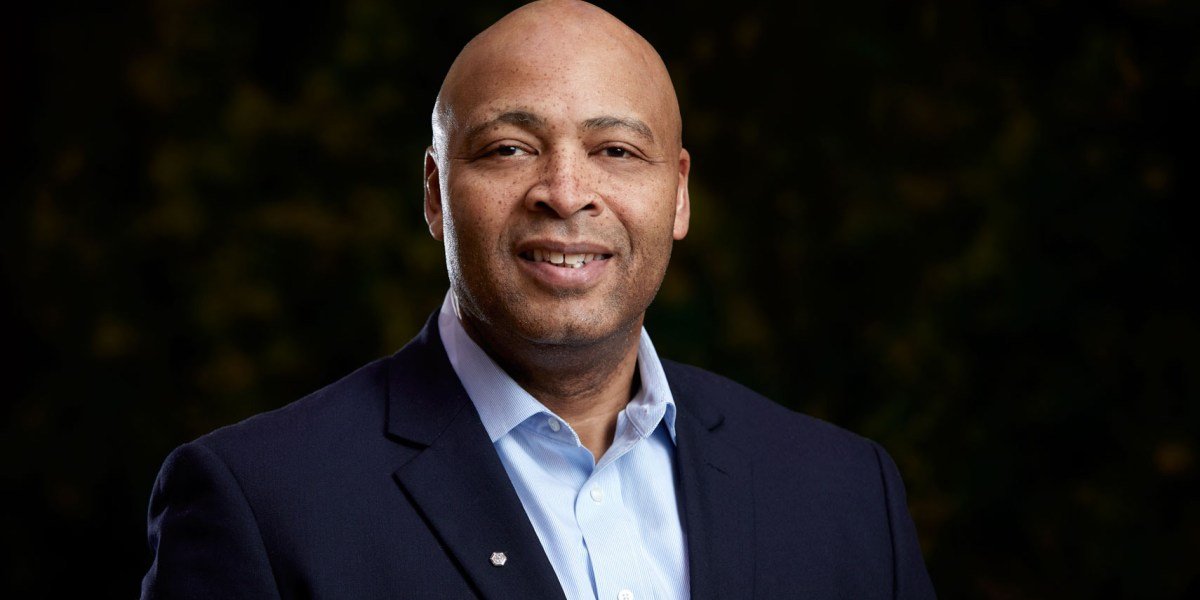
C.H. Robinson, the Fortune 500 freight broker, is running its AI deployment through a Lean operating framework, and CEO Dave Bozeman credits that pairing for a stock that has doubled over the past year. The core move: value-stream mapping (charting every step in a process to find waste) across operations, then replacing high-volume, low-judgment work with AI agents handling load tracking, appointment scheduling, and quote responses. Rather than backfilling those roles, Robinson is pushing its workforce up the value stack permanently. Bozeman explicitly rules out headcount targets as a performance measure.
What this means for your business
The companies that will get the most from AI automation in the next three years are not the ones that deploy the most agents. They’re the ones that have already mapped their processes well enough to know where agents belong. Robinson’s Lean foundation gave Bozeman a pre-existing language for waste, friction, and flow, which meant AI deployment had a target to hit rather than a blank canvas to fill. If your operations team can’t draw a value-stream map of your core workflows today, you’re not behind on AI, you’re behind on the prerequisite.
Bozeman’s explicit rejection of headcount-reduction mandates deserves more attention than it usually gets. The conventional AI productivity story runs: deploy automation, cut staff, book savings. Robinson is running a different equation, one where displaced capacity gets redirected rather than eliminated, and where the transformation is framed to employees as a shared discovery process rather than a restructuring. That framing is not just culture management. It directly affects whether front-line workers surface process knowledge or protect it, and that knowledge is exactly what you need to find the next automation target.
The falsification condition for Robinson’s model is the three-to-seven-year horizon Bozeman names explicitly. If the “moved up the value stack” workers aren’t generating measurably higher-margin output by then, the model collapses into deferred cost-cutting with extra steps. COOs evaluating whether this approach fits their own transformation should watch Robinson’s revenue-per-employee and gross margin trends over the next 18 months. Those numbers, not the agent deployment count, will tell you whether Lean AI is a genuine operating model or a palatable story wrapped around the same workforce math everyone else is running.
Concept deep-dive: Value-stream mapping
Value-stream mapping is a Lean technique where you draw every step a process takes from start to finish, then label each step as either adding value or adding waste. Think of it as a flight-path diagram for work: you can’t shorten the route until you can see the route. In Robinson’s case, it revealed where human labor was doing work that is purely mechanical, giving AI agents a precise scope rather than a vague mandate to “help.” The map is what makes the automation defensible.
Based on reporting from C.H. Robinson CEO Dave Bozeman is running AI transformation on Lean principles, originally published 2026-07-06 03:00:00.