
Share with your CTO
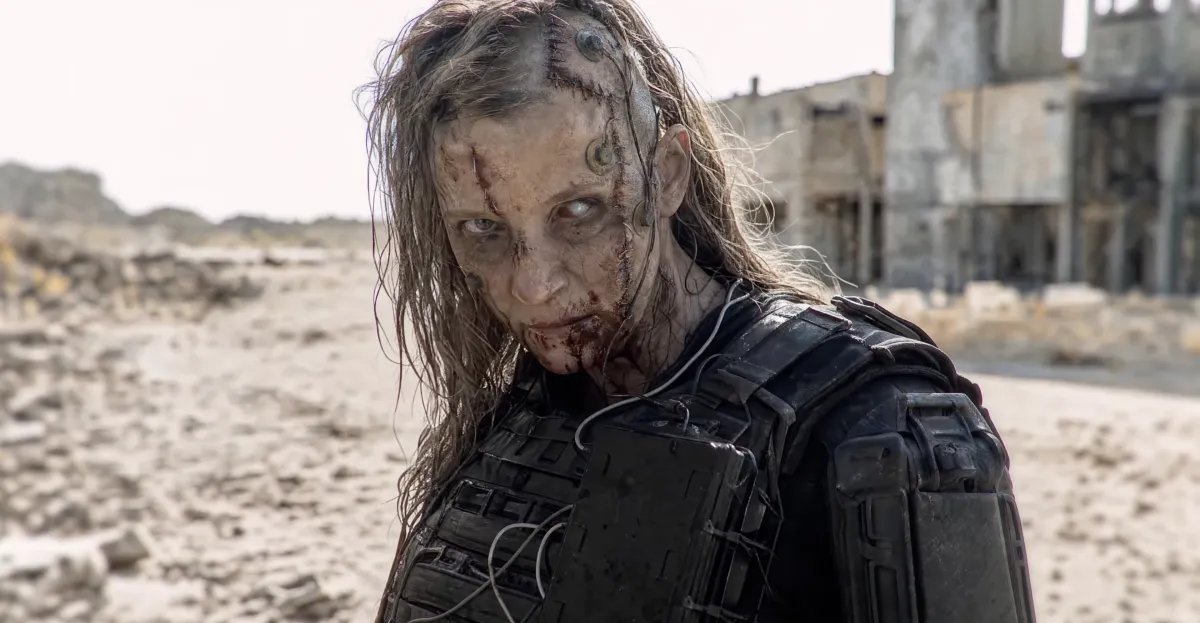
Neill Blomkamp, director of District 9, has bet his creative reputation on a fully AI-generated 13-minute short called Nightborne, produced through his new venture Barley Studios using ByteDance’s Seedance 2.0 text-to-video model. Every shot was machine-generated, with 32 human actors licensing their likenesses and real concept artists contributing design work. The result was met with immediate backlash, critics pointing to gibberish background text, unnatural speech cadence, and a creative voice so diluted by the tooling that the film’s only genuine distinction is the technology used to make it.
What this means for your business
The companies most exposed to this story are not entertainment studios. They are the enterprise teams quietly building internal content pipelines, training simulations, synthetic data generators, or customer-facing video assets on the same class of text-to-video models Blomkamp used. Nightborne is a high-visibility stress test of what happens when a skilled human director points current-generation video AI at a real creative brief, and the model fails in exactly the ways enterprise deployments will fail too, specifically on fine-grained human plausibility.
The failure mode visible in Nightborne is worth naming precisely because it is not a hallucination problem. The model produces coherent video. What it cannot do is maintain the micro-level behavioral consistency that humans read as authenticity, the slight pause before a difficult answer, the weight shift that signals hesitation, the gaze duration that signals confidence. Those details are not in the model’s output because they are not in any individual training clip; they emerge from a performer’s felt understanding of a scene. Enterprise use cases that depend on synthetic human presenters, onboarding videos, executive communications, compliance training narrators, will hit this ceiling fast and at meaningful production scale.
The Aronofsky and Blomkamp episodes together suggest a pattern worth watching as a leading indicator. When name-brand creative directors, people with every incentive to make AI look good, cannot paper over the model’s weaknesses, it signals the gap between “impressive demo” and “production-ready at quality bar” is wider than vendor timelines imply. The decision this reframes is not whether to pilot text-to-video, it is whether to set internal quality thresholds before pilots, so teams are measuring against a standard rather than rationalizing output after the fact.
Based on reporting from Neill Blomkamp’s new zombie AI ‘film’ is just slop warmed over, originally published 2026-07-21 18:06:00.