
Share with your CHRO
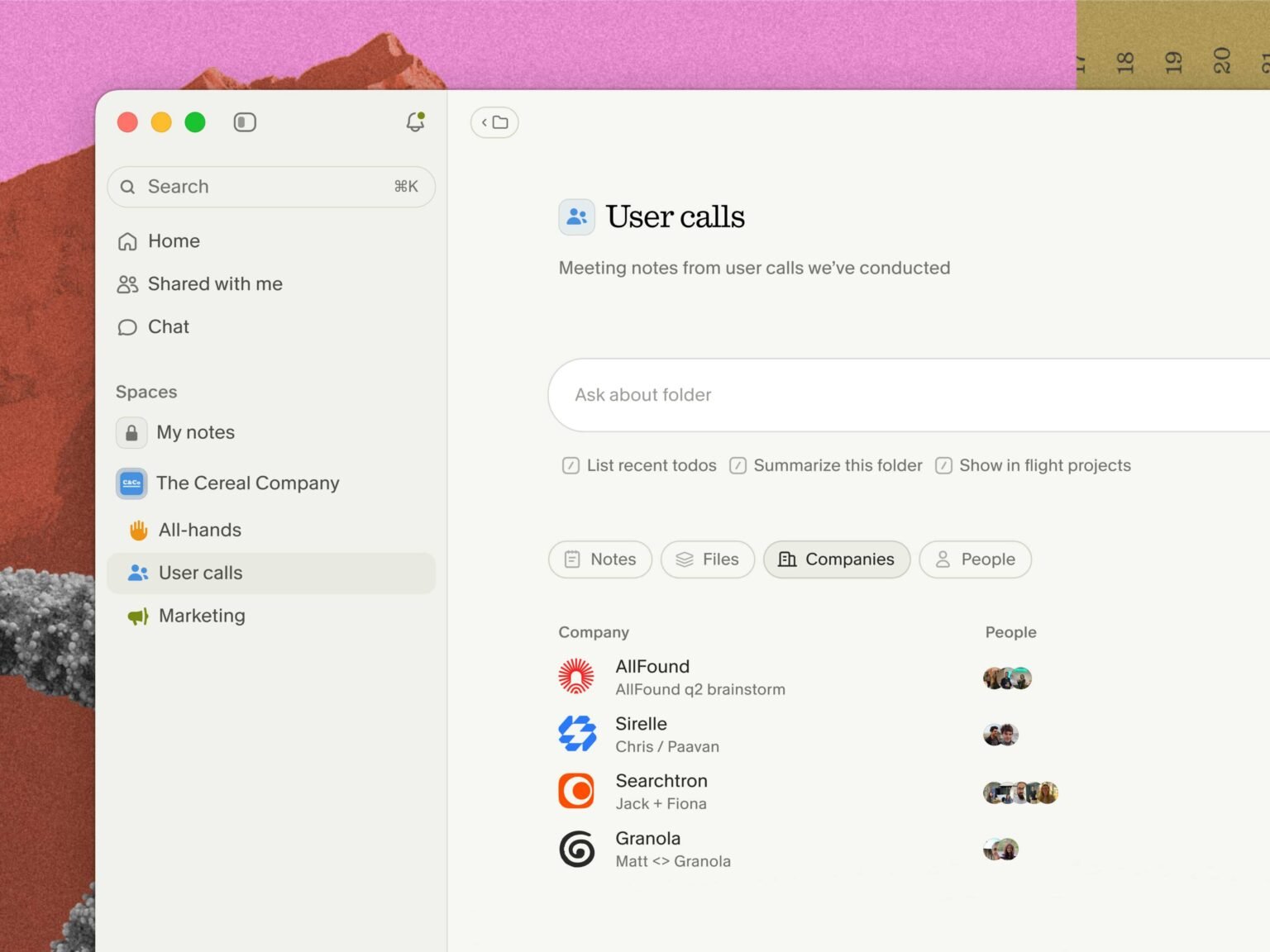
Two active federal lawsuits, one against Otter.ai and a newer one against Granola filed July 30, are turning AI meeting notetakers from a productivity convenience into a live compliance liability for HR teams. The Granola complaint is particularly pointed: the company’s own marketing copy boasted that other call participants “won’t know it’s there,” and plaintiffs’ attorneys are treating that as evidence of deliberate concealment, not an oversight. California’s Invasion of Privacy Act sets statutory damages at $5,000 per violation, and the proposed class runs into the millions of affected individuals.
What this means for your business
The exposure here lands hardest on HR, not legal or IT, because the highest-risk recordings are job interviews, terminations, and internal investigations, exactly the conversations HR owns. If your organization uses any AI notetaker across multi-state or international calls, the consent patchwork is already broken in ways most HR teams haven’t mapped. The companies most exposed aren’t necessarily the ones using the riskiest tools; they’re the ones that assumed a single enterprise subscription covers everyone on the call, including candidates and employees who never agreed to anything.
The design detail that sharpens the Granola case is worth sitting with. Courts are being asked to treat “stealth by design” as intentional wiretapping, not an accidental privacy gap. That framing matters because it shifts the legal standard from negligence toward something closer to willful conduct, which typically raises damages exposure significantly. Employers who relied on vendor-provided consent language without verifying that every participant on every call was actually notified inherit that risk. The account holder opting out of model training does nothing for the candidate who joined the Zoom from Illinois, where the Biometric Information Privacy Act (a state law imposing strict consent rules around voiceprints and other biological identifiers) creates its own separate damage track.
The companies that come out of this period cleanly won’t be the ones that banned notetakers. Littler’s own analysis concedes that enforcement of a blanket ban is essentially impossible when one in five professionals already uses these tools independently. The organizations that win are the ones that pick a single vetted tool, strip speaker-identification features where biometric risk is unclear, and put a consent notice in front of every meeting, treating it the same way they treat an arbitration disclosure rather than a click-through. The renewal decision on your current notetaker contract is the moment to ask whether your vendor can document what happened to recordings before any opt-out was applied, because if they can’t, that gap already exists in your record.
Based on reporting from A second AI notetaker lawsuit sharpens the risk picture for HR, originally published 2026-08-05 07:30:00.