
Share with your CTO
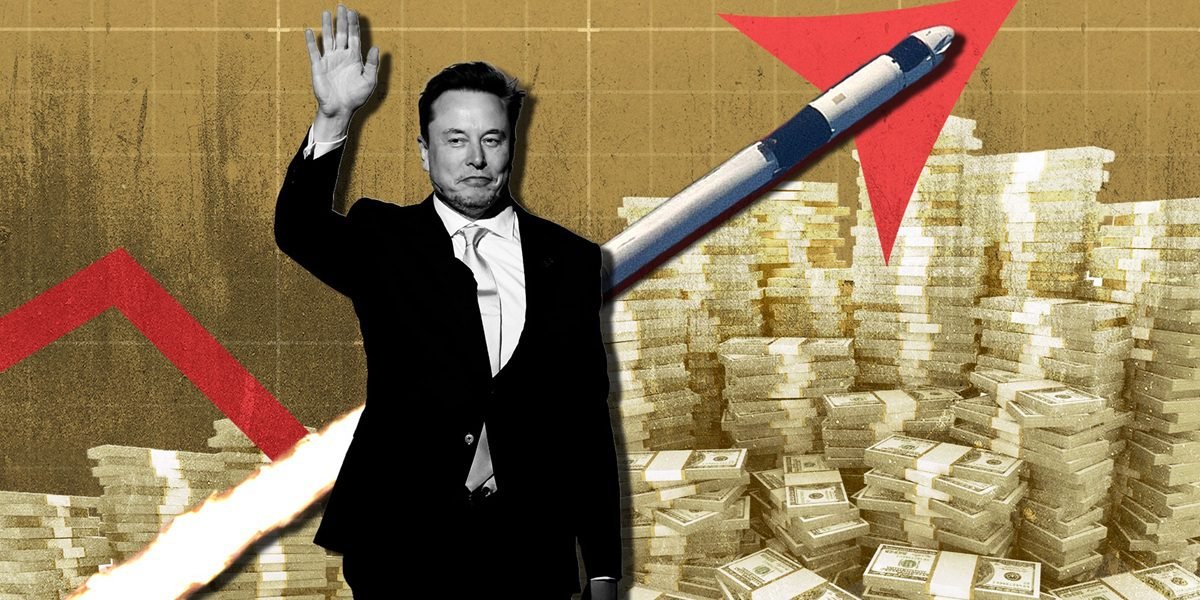
SpaceX used its Q3 2026 earnings to reframe what it is: an AI compute and software company that also owns the world’s dominant launch and satellite broadband infrastructure. Total revenue hit $14.58 billion, up 161% year-over-year, with the Super Intelligence segment alone delivering $7.56 billion, 830% growth that now represents more than half of all revenue. Nameplate compute capacity reached 1.7 GW. The company swung to $4.4 billion in GAAP net income, and Elon Musk confirmed that SpaceX and Tesla have formed independent committees to explore a merger.
What this means for your business
The story that matters most for enterprise technology buyers isn’t the headline revenue number, it’s the compute pricing signal. CFO Bret Johnsen’s disclosure that new deployments are paying back in under a year, at pricing tracking above 30 to 50 dollars per watt, tells you something important about where the market for AI infrastructure is settling. If you’re currently contracting GPU capacity through hyperscalers and haven’t benchmarked against what SpaceX is offering sovereign compute buyers, you’re flying blind on a cost input that’s about to show up in competitor margins before it shows up in yours.
The Cursor acquisition is the move that deserves more attention than it’s getting. At $608 million in mid-quarter revenue contribution alone, Cursor isn’t a talent acquisition or a product experiment, it’s a distribution wedge into developer workflows that SpaceX can now route toward Grok and its own compute stack. The recurring failure mode in enterprise AI vendor selection is treating a coding tool as a productivity decision rather than a platform allegiance decision. Once Cursor is running Grok-native suggestions on SpaceX compute, switching costs compound fast. CTOs who’ve approved Cursor enterprise licenses without a platform-lock clause should know what they’ve accepted.
The capital structure is the honest counterweight here. SpaceX burned $19.6 billion in capex this quarter, $16.4 billion of it in the Super Intelligence segment, against nine-month operating cash flow of $13.1 billion. The $90 billion cash buffer makes this survivable, but the gap between $8.8 billion in adjusted EBITDA and $2.8 billion in GAAP operating income is wide enough to suggest the accounting is doing real work. The merger committee announcement adds governance complexity that could slow product decisions for 12 to 18 months. I’d revisit the “SpaceX as stable infrastructure vendor” thesis if the COLOSSUS II buildout slips or if compute payback periods stretch past the one-year mark they’re currently advertising.
Based on reporting from SpaceX posts $14.58 billion Q3 revenue on surging AI sales as Musk confirms Tesla merger, originally published 2026-10-21 06:55:00.