
Share with your CMO
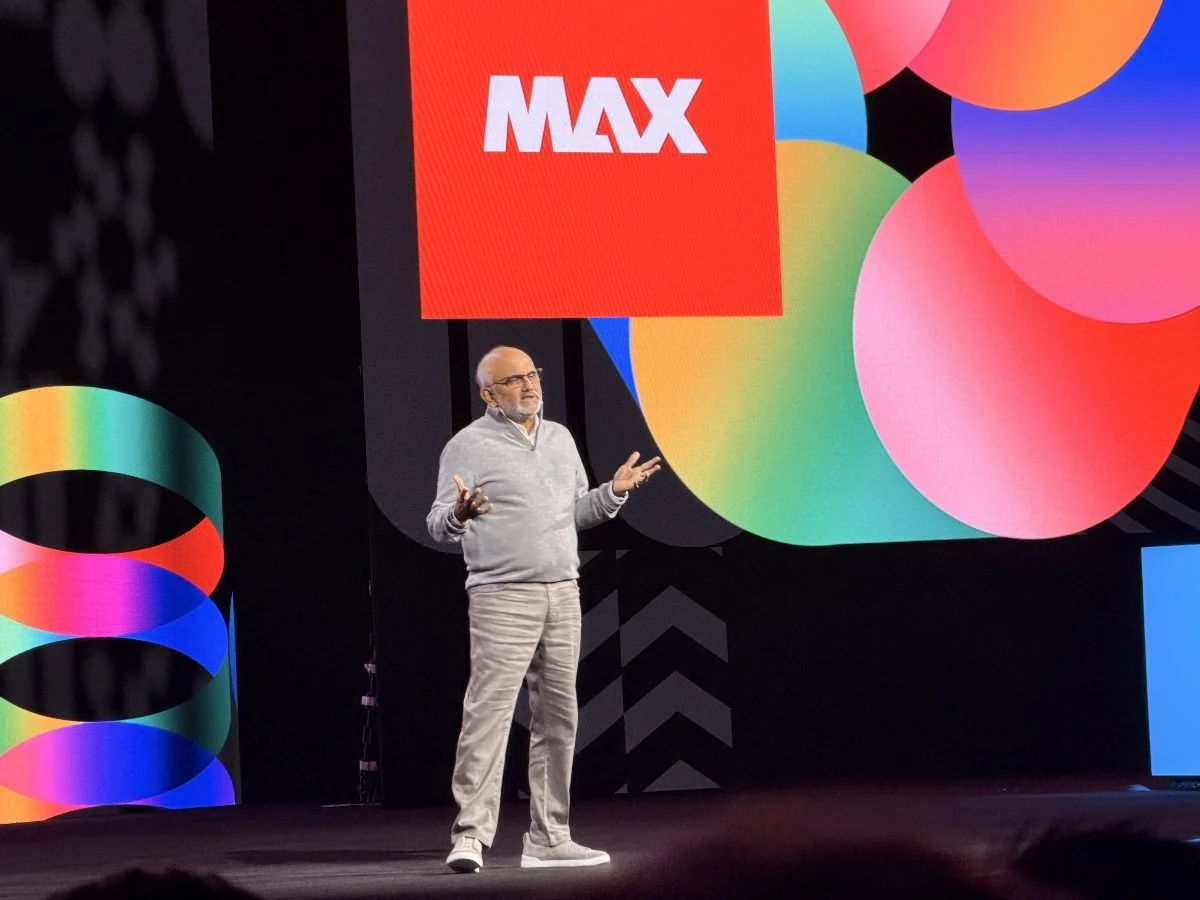
Adobe used MAX 2026 to open several new paths for AI agents, including third-party tools, into native Photoshop, Illustrator, Premiere, and After Effects files. The mechanism is MCP, a protocol that lets outside agents read and write directly to creative files on a designer’s machine, with a private beta scheduled for early 2027. Brand rules can now live in at least three separate places in Adobe’s stack: Creative Agent settings, Brand Intelligence, and Capsules (packaged workflow apps). Adobe’s own MAX announcement doesn’t specify which source wins when they conflict.
What this means for your business
The gap between 9% and 27% is the number that should stop you. Adobe’s commissioned research asked senior leaders what share of public-facing content is off-brand and got 9%. It asked the practitioners actually producing that content and got 27%. That three-to-one spread isn’t a rounding error; it’s the measurement gap that already exists before agents multiply output volume. Marketing organizations running high-velocity content programs, or those with agency partners who might adopt the MCP beta early, are most exposed. Those with centralized creative operations and documented brand rules are starting from a better position, but not an immune one.
The structural problem Adobe is creating, almost certainly without intending to, is what you might call rule-source fragmentation. When a designer encodes brand preferences in Creative Agent settings, a regional marketer builds a Capsule with slightly different color tolerances, and an agency points its own agent at native files using rules baked into its own toolchain, there is no declared hierarchy. Adobe’s Brand Intelligence is designed to learn from exceptions that senior leaders make informally, which means one VP’s off-guidelines approval on a Friday can quietly become the standard every agent propagates going forward. Eighty-three percent of practitioners in Adobe’s study said their organizations already rely on manual senior review; that process doesn’t scale to agent-speed output.
The CX Enterprise Coworker product is Adobe’s likeliest answer to this, since it’s positioned as a single interface for directing work across agents and people, but it has no general availability date. Betting your governance model on a product without a ship date, while agency partners start requesting MCP beta access in early 2027, is the wrong sequencing. The brand teams that come out ahead will be the ones that treat the next few months as a policy window, not a product waiting room. If your agency contracts don’t yet specify who controls agent behavior against your files, that’s the contract clause to revisit now, before the beta makes the question urgent.
Concept deep-dive: MCP (Model Context Protocol)
MCP is a standard that lets an AI agent running in one application, say a third-party tool an agency already uses, reach into files created by a completely different application and make changes directly, without converting or exporting them. Think of it as a universal power outlet that lets any compatible plug draw from the same socket. For brand teams, the business consequence is that creative files are no longer edited only inside tools the brand team controls or has even seen.
Based on reporting from Adobe MAX Hands Creatives Agents and Marketing Teams a Governance Job, originally published 2026-11-13 15:58:00.