
Share with your CTO
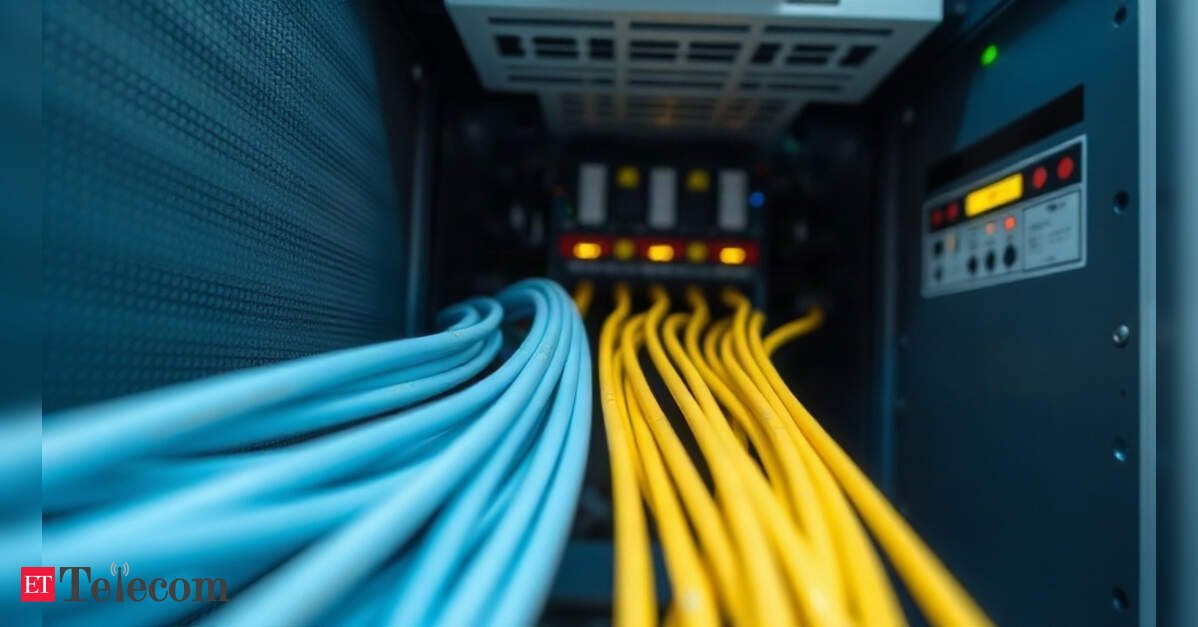
Verizon is repositioning itself as critical AI infrastructure, not just a carrier, by signing a $2 billion fiber connectivity deal with AWS to feed high-capacity data transfers into AWS data centers. A separate $1 billion dark fiber agreement with Google announced in July confirms this is a deliberate pattern. The commercial logic is straightforward: AI training and inference workloads demand bandwidth at a scale that makes high-grade fiber a genuine bottleneck, and Verizon is betting its physical network becomes a toll road on the path to AI compute.
What this means for your business
Cloud infrastructure decisions look different when the pipe between your workloads and the underlying compute is itself a strategic asset controlled by a carrier. If your AI architecture runs heavy data movement between on-premises systems and AWS or Google Cloud, the quality and pricing of that physical interconnect is no longer a commodity procurement call. Organizations already locked into AWS or Google as their primary cloud are sitting on the beneficiary side of this. Organizations still treating WAN connectivity as a utility line item may be underpricing a real performance risk.
The deeper signal here is that Verizon is funding a structural pivot away from consumer wireless margins, which have been squeezed as customers hold phones longer and device subsidies shrink. Postpaid subscriber gains nearly doubling analyst estimates is good news for the wireless business, but those gains weren’t enough to hit quarterly revenue targets. The fiber deals with hyperscalers are the growth thesis the carrier is placing against a mature consumer market, which means Verizon’s incentive is to keep winning these contracts by demonstrating measurable throughput improvements, not just announcing them. That creates a real accountability loop that pure press release deals don’t have.
The vendor who wins the physical layer of AI infrastructure earns something closer to a utility monopoly than a software contract. Dark fiber, the raw optical cable capacity sold without the carrier’s own networking equipment running on top of it, is nearly impossible to replicate quickly and gives the buyer more control over speeds and routing. If AWS and Google are both locking in Verizon’s fiber at this scale, enterprises that use those clouds inherit Verizon’s network quality whether they chose it or not. I’d revisit this assessment if a competing carrier closes comparable hyperscaler deals, but right now Verizon is pulling ahead in a race most enterprise CTOs haven’t started watching yet.
Based on reporting from Verizon signs $2 billion AI infrastructure deal with AWS, ETTelecom, originally published 2026-10-26 21:35:00.