
Share with your CHRO
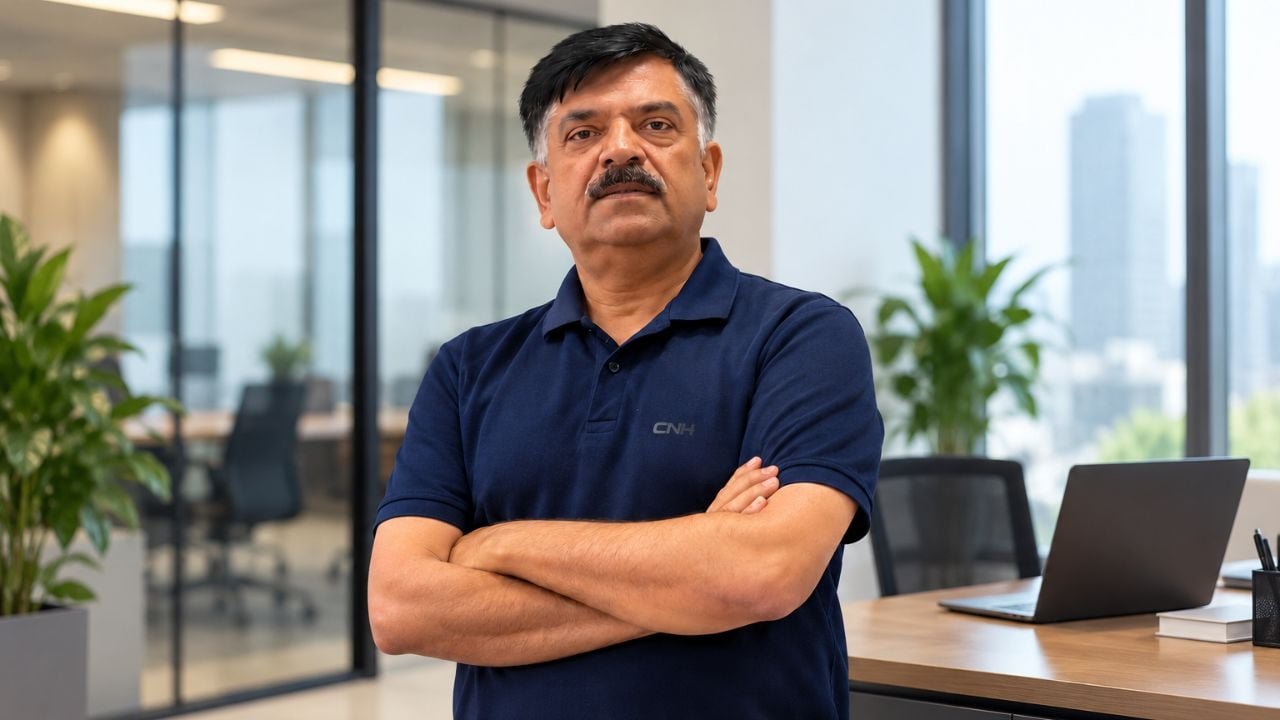
India’s white-collar hiring grew 14 percent year over year in August, with AI and machine learning roles up 31 percent, according to Naukri JobSpeak data. Against that backdrop, Sanjay Tripathi, HR Director at CNH India, argues that the CHRO’s job description needs a fundamental rewrite. The case, laid out in this People Matters analysis of HR’s future role, draws on EY’s Work Reimagined Survey 2025, which found 88 percent of Indian workers already using AI on the job, 37 percent as active daily users.
What this means for your business
The story this data tells isn’t about AI adoption rates. It’s about where accountability sits when AI reshapes roles faster than training cycles can respond. CHROs who still operate as policy custodians, the ones managing handbooks and compliance calendars, are already misaligned with the organization they serve. If 88 percent of your workforce is using AI and you’re not shaping that experience, someone else is, usually a line manager working from instinct, or a vendor working from contract.
Tripathi’s framing of the CHRO as “organisational architect” is directionally right, though the argument undersells the difficulty. Designing employee experience across onboarding, manager interactions, belonging, and development is not a coordination problem; it’s a data infrastructure problem. Attrition patterns and skill-gap signals are only useful if the CHRO has access to workforce analytics that most HR functions still don’t own. The gap between aspiring to be an architect and actually having the blueprints is where most CHROs currently live. Closing it means fighting for data access, not just cultural authority.
The piece is written by a practitioner with a stake in elevating the CHRO’s strategic profile, which inflects the argument toward optimism about HR’s readiness to lead this shift. The harder question it sidesteps is sequencing: before CHROs can shape AI-era culture, they need to win the internal argument that workforce data belongs in their remit rather than split across the CDO, CFO, and business unit heads. If your organization hasn’t settled that ownership question, the architectural ambition stalls at the org-chart level. That’s the budget and governance conversation worth having before the culture one.
Based on reporting from The future of HR: From policies to employee experience why the CHRO must become the architect of culture, originally published 2026-11-13 06:06:00.