

Share with your CEO
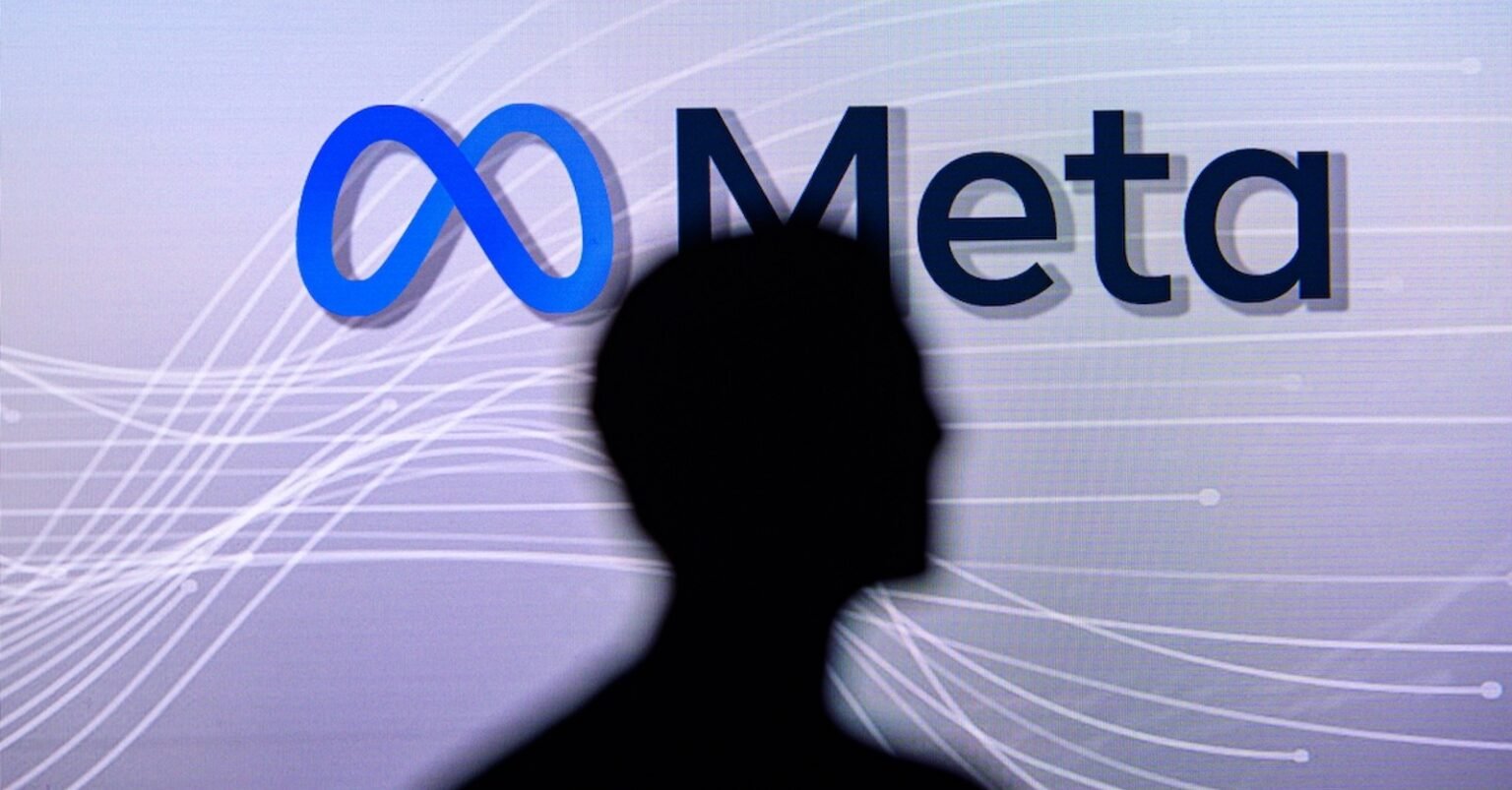
Meta is betting its future on what Zuckerberg calls “personal superintelligence,” spending $72 billion on AI infrastructure in 2025 and projecting up to $145 billion in 2026. The company created Meta Superintelligence Labs after acquiring Scale AI for $15 billion, housing all AI teams under one roof and shifting away from its earlier open-source Llama strategy toward proprietary models. Meanwhile, Meta settled a 47-state child safety lawsuit for $17 billion and faces mounting legal exposure around its smart glasses hardware.
What this means for your business
The company that owns the pipes through which 3 billion people communicate daily is now structurally committed to becoming an AI infrastructure power, not just an advertising platform. That distinction matters most to organizations that have built marketing, customer service, or commerce strategies on top of Meta’s apps. The advertising stack is being rebuilt around AI targeting and generation tools, which means performance metrics, creative workflows, and audience assumptions that worked in 2023 are already operating on deprecated logic.
Zuckerberg’s pivot away from open-source Llama toward closed, proprietary models through Meta Superintelligence Labs is the detail most executives will miss inside a headline about spending. When Meta released Llama freely, companies could fine-tune it on their own data, keep the weights, and avoid vendor lock-in. A proprietary model strategy reverses that dynamic entirely. Organizations that built internal AI applications on Llama’s openness now face a strategic question about whether Meta’s roadmap still serves their interests, or whether they’ve been building on a foundation the landlord just changed.
The $17 billion child safety settlement is a leading indicator worth watching beyond the headline number. Courts and regulators in 47 states, plus Washington D.C., have now established that algorithmic design choices affecting minors carry significant legal liability. Any enterprise that deploys AI-driven recommendation or engagement systems, inside consumer apps or employee-facing tools, should read that verdict as a signal about where platform liability doctrine is heading. The smart glasses privacy litigation adds a second data point in the same direction. Meta is absorbing these costs because its core business can sustain them. Most enterprises building on top of Meta’s platforms, or adjacent AI infrastructure, have far less cushion when the liability doctrine matures.
Based on reporting from Who Is Mark Zuckerberg? Meta CEO, Net Worth & Career, originally published 2026-09-14 16:04:00.