

Share with your CTO
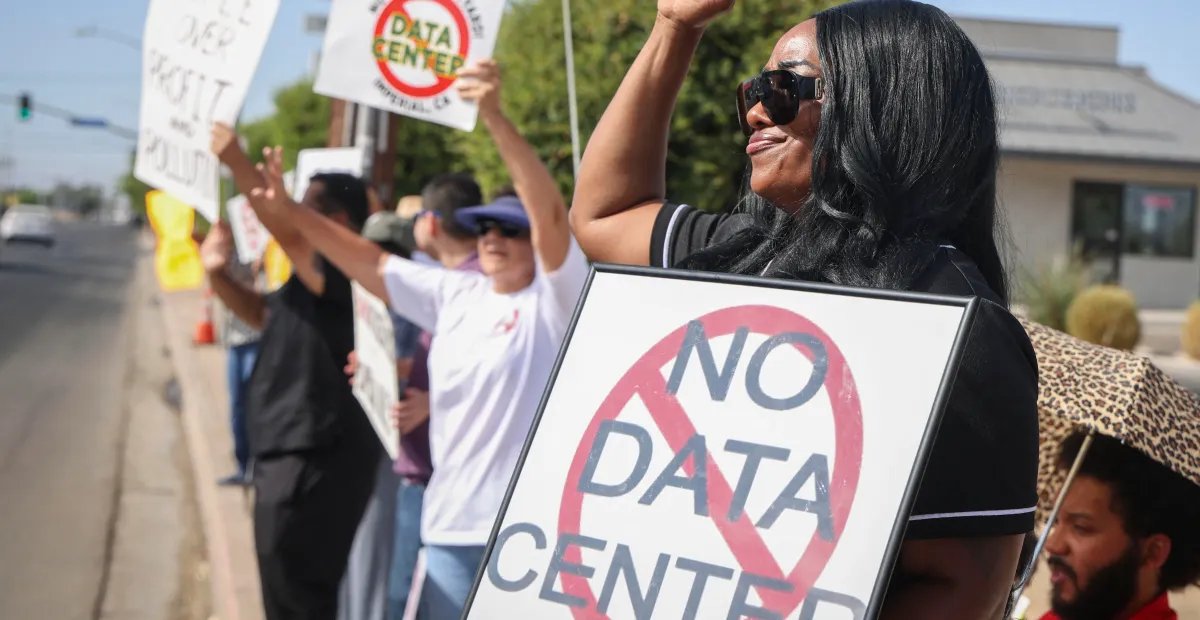
California just made data center siting a compliance sport. Governor Newsom signed seven bills requiring a new utility rate classification specifically for data centers, forcing operators to fund grid and water infrastructure upgrades rather than spreading those costs across residential ratepayers. Proposed facilities must now disclose water consumption estimates and drought contingency plans to local governments, and must meet energy and fuel efficiency thresholds before they can access the state’s streamlined permitting process. The package is the most comprehensive state-level data center regulation in the country.
What this means for your business
If you’re actively planning or expanding compute capacity in California, the cost structure just changed in two concrete ways. The utility rate reclassification means data centers can no longer free-ride on residential rate pools, and the infrastructure upgrade mandate means grid and water system costs land directly on the operator’s capital budget, not on the CPUC’s docket for eventual socialization. Companies already running California facilities are largely insulated for now, but any new build or significant expansion triggers the new disclosure and efficiency requirements before permitting moves forward.
The efficiency threshold tied to fast-track permitting is the most consequential mechanism here. California is essentially creating a two-tier permitting system where operators who clear the energy and water benchmarks move faster and operators who don’t get routed into a longer, more expensive process. That’s not a fine or a fee, it’s a design constraint baked into the approval timeline. For CTOs evaluating whether to place the next inference cluster in California versus Nevada, Texas, or Virginia, the permitting speed differential now has a dollar value attached to it, and that value compounds at the scale of 100-plus megawatt builds.
The pattern California is establishing will spread. States watching residential electricity rates spike from data center load, which is visible in utility filings across the Southeast and Mid-Atlantic, now have a legislative template. The falsification condition for that prediction is simple: if California’s new rate class produces operator pullback significant enough to shift hyperscaler announcements toward competing states in the next 18 months, other legislatures lose their appetite to copy it. Watch where Microsoft, Google, and Meta file their next major campus permits. That geography is the leading indicator, not any statement from a governor’s press office.
Based on reporting from California tightens rules on AI data center energy and water use, originally published 2026-09-21 16:29:00.