

Share with your CMO
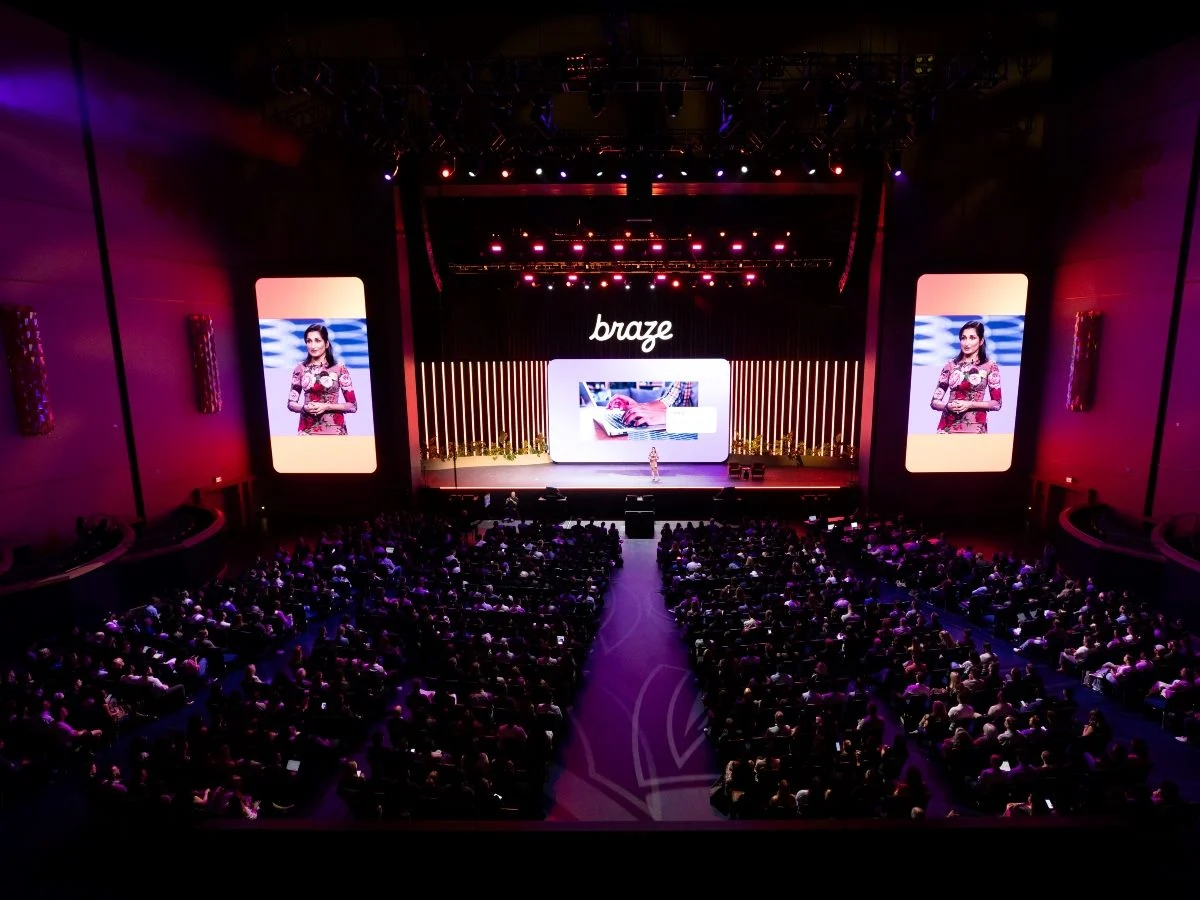
Braze is betting that marketing teams will take ownership of AI decisioning, campaign quality assurance, and multi-channel agent conversations, all without routing requests through engineering. At its Forge 2026 conference, the company announced four products in beta: Decisioning Studio Go, which tests over a billion message variants per recipient inside marketer-set limits; Agentic Standards, which automates campaign QA against rules the marketer writes; Operator Connect, which surfaces Braze inside Claude and ChatGPT; and Conversational Agents across WhatsApp, SMS, and web. Go and Standards hit general availability in October. Compare the Market reported a 17% conversion lift after deploying Braze’s full decisioning platform.
What this means for your business
The marketing team that benefits most from these launches is one that already has clean governance instincts, not one that’s hoping the tooling will create discipline from scratch. Braze is handing marketers genuine control over frequency ceilings, QA rule libraries, and permission scopes, and the quality of those inputs determines what the AI amplifies. If your team has been inconsistent about unsubscribe logic or contact windows, Go will optimize inside those inconsistencies at scale. The distinguishing trait here isn’t budget or team size; it’s whether your CRM function already runs like an engineering org.
The Operator Connect design is the piece CMOs should think hardest about before enabling. A marketer typing “clean up our inactive segments” into Claude executes that action across every workspace their Braze role touches, because the system authenticates by user permissions, not by the interface. Braze is deliberately holding send and launch approvals inside its own UI for now, which is a sensible brake, but permission scope audits need to happen before Connect goes live, not after. The 90% speed-to-market improvement Stitch reported is real and replicable; the access-control surface that comes with it is just as real.
Agentic Standards is the most quietly consequential of the four launches because it forces a documentation exercise that most marketing teams have avoided. Codifying QA rules into a format the platform can actually enforce means discovering which rules were never written down, which conflict, and which expired when a state regulation changed. That process is genuinely valuable independent of the automation it enables. The risk is treating Standards as the end state: an outdated disclosure or a contact limit that predates a new privacy rule passes every automated check until a human updates the rule library. The team that assigns a rule-set owner and schedules quarterly reviews gets the compounding benefit; the team that sets it and moves on creates a compliance liability dressed up as a compliance solution.
Concept deep-dive: MCP (Model Context Protocol)
MCP is an open standard that lets external AI assistants, like Claude or ChatGPT, call into another platform’s data and actions as if they were native features. Think of it as a universal adapter: instead of building a custom integration for every AI tool, a platform publishes one MCP-compatible interface and any conforming assistant can use it. For Braze, it’s what makes Operator Connect possible, and it’s why the permission model the marketer already has in Braze travels with them into whatever AI interface they prefer.
Based on reporting from Braze’s Self-Service Push Makes Marketers Owners of Their Own Guardrails, originally published 2026-10-02 14:10:00.