
Share with your CTO
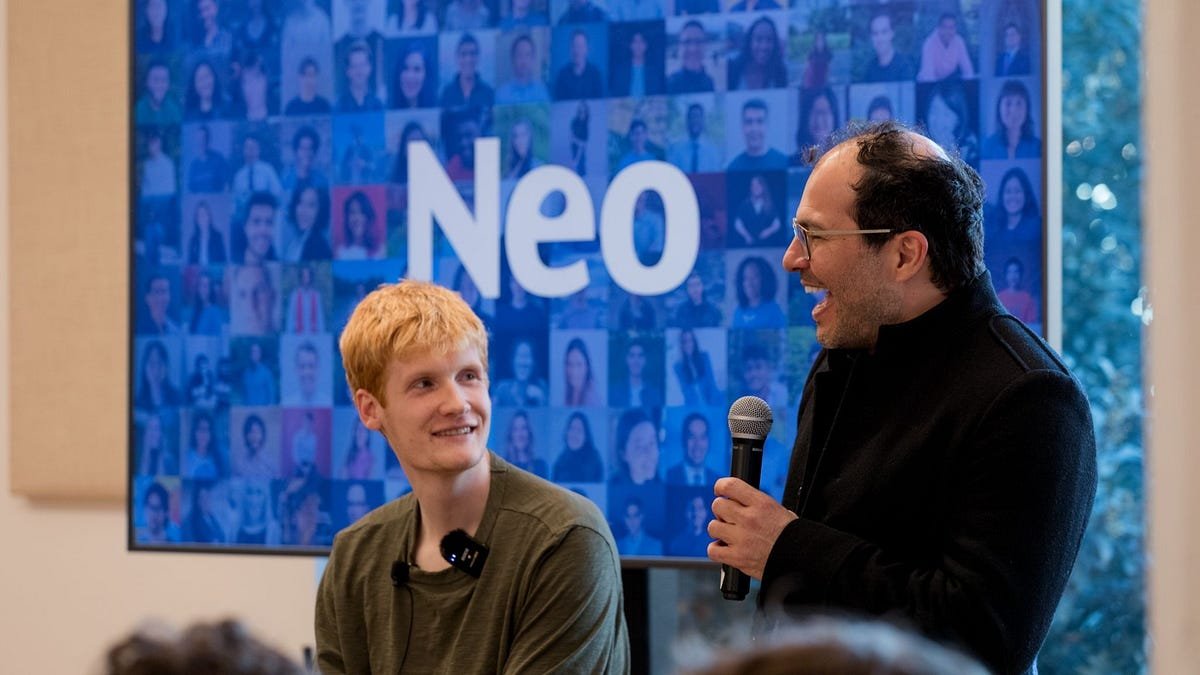
SpaceX acquired Cursor for $60 billion, the largest VC-backed startup acquisition ever, capping a seven-year relationship between Cursor’s founders and Neo, the “people-first” venture firm that made the first investment in Cursor before Michael Truell and Aman Sanger had even graduated MIT. Neo identified Truell in 2019, mentored the team through a brutal 2022 VC winter, and nearly fumbled the seed check by trying to negotiate 30% below the founders’ ask. A 23-year-old colleague talked them out of it.
What this means for your business
SpaceX buying Cursor is not a story about a tool. It’s a signal about where the center of gravity in software development is moving. When the world’s most aggressive engineering-led company writes a $60 billion check for an AI coding environment, it’s expressing a conviction that the developer interface, not the model underneath it, is the strategic asset worth controlling. If your engineering org still treats AI coding tools as individual productivity add-ons rather than platform infrastructure, that framing just became expensive.
The recurring failure mode in enterprise AI adoption is buying the model layer while ignoring the interface layer. Cursor’s entire thesis was that the IDE, the place where developers actually spend their time, is where AI compounds fastest. Truell’s team didn’t win by having better models than anyone else. They won by having the deepest context about how developers work, and they built the interface that made that context actionable. The $60 billion price reflects the premium on that accumulated workflow intelligence, not raw model capability.
The question worth holding: if SpaceX is absorbing Cursor’s interface and community into its engineering stack, what does that mean for the independent developer tool market your teams rely on? Acquisitions of this scale tend to fragment ecosystems. Enterprises that built workflows on Cursor should now be thinking about portability, not just features. The signal worth watching is whether the remaining AI coding tool vendors, Copilot, Windsurf, Replit, respond by deepening enterprise lock-in or by doubling down on openness to capture displaced Cursor users.
Concept deep-dive: People-first investing as talent pipeline
Neo’s model identifies exceptional individuals before they have ideas, then provides mentorship, community, and connections across years. This isn’t philanthropic. The Cursor outcome shows why: six of Cursor’s engineering leaders met Truell at a Neo event years before the company existed. The investment thesis and the talent network were the same asset. For enterprise CTOs, the parallel is direct. The organizations that build deep relationships with exceptional engineers before those engineers are hiring-ready will staff the next wave of AI product development. Reactive recruiting loses to relationship infrastructure.
Based on reporting from The Cursor prehistory – by Ali Partovi, originally published 2026-06-22 03:00:00.