
Share with your CHRO
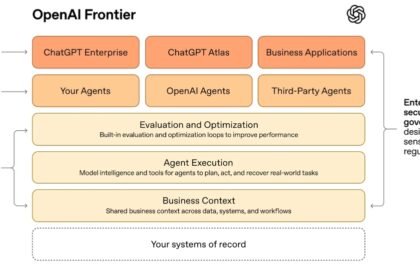
AI agents are moving from pilot programs into formal workforce structures, and the governance question is arriving faster than most HR functions have prepared for. KPMG’s analysis draws on IBM Institute for Business Value data showing CAIO adoption doubling from 11% to 26% between 2023 and 2025, with organizations that have a Chief AI Officer reporting 10% higher returns on AI investment. One unnamed major US enterprise software company is already running roughly 3,000 internal AI agents at a 3:1 ratio to human employees, with million-dollar salary bands for staff who build or manage those systems.
What this means for your business
The 3:1 agent-to-employee ratio isn’t a forecast. It’s a live org chart at a named enterprise, right now. If your workforce planning still treats AI as a productivity layer on top of existing headcount rather than a category of worker requiring its own management chain, performance standards, and accountability structure, you’re not behind on strategy. You’re behind on operations. The CHRO whose company hits that ratio without a governance model in place will be managing the fallout, not the rollout.
The CAIO data carries a frame worth noting: KPMG, which sells AI advisory and transformation services, has an obvious interest in making the governance gap look urgent and the CAIO solution look proven. The 10% return premium for organizations with a CAIO is a correlation from a survey, not a controlled study, and companies that were already sophisticated enough to appoint a CAIO likely had stronger AI programs before the title existed. That said, the underlying structural question is real regardless of who’s selling the answer. The EU AI Act classifying most HR uses of AI as high-risk under Annex III means legal exposure is no longer theoretical. Accountability for agent behavior in hiring, performance management, or workforce planning decisions needs to live somewhere on the org chart before August 2026, not after the first enforcement action.
The four worker categories described in the piece (builders, agent managers, system managers, customer-facing front-liners) represent a genuine decomposition of how labor gets reorganized when agents handle the procedural middle. The CHRO’s job in that model shifts from managing people who do work to managing people who direct systems that do work, which is a materially different competency profile for HR business partners, a different compensation philosophy, and a different performance review cadence. The million-dollar salary bands for agent managers aren’t a curiosity. They signal that scarcity pricing for this skill set is already here, and the companies that treat it as a future concern will pay a significant premium to recruit into roles they should have been building internally.
The leading indicator to watch is whether your CAIO, if you have one, reports to the CTO or to the CEO. The Digital Chiefs market analysis cited here identifies exactly two archetypes: the Platform CAIO who lives inside infrastructure and the Strategy CAIO who owns business transformation. Organizations that place AI governance inside IT are implicitly deciding that agents are a technology deployment problem. Organizations that place it at the CEO level are deciding it’s a workforce and accountability problem. That placement decision, which many companies are making right now by default rather than by design, will determine whether HR has real authority over agent governance or is simply asked to sign off on whatever engineering already built.
Based on reporting from Agents are now on the org chart. Who is managing them?, originally published 2026-06-30 03:00:00.