
Share with your CHRO
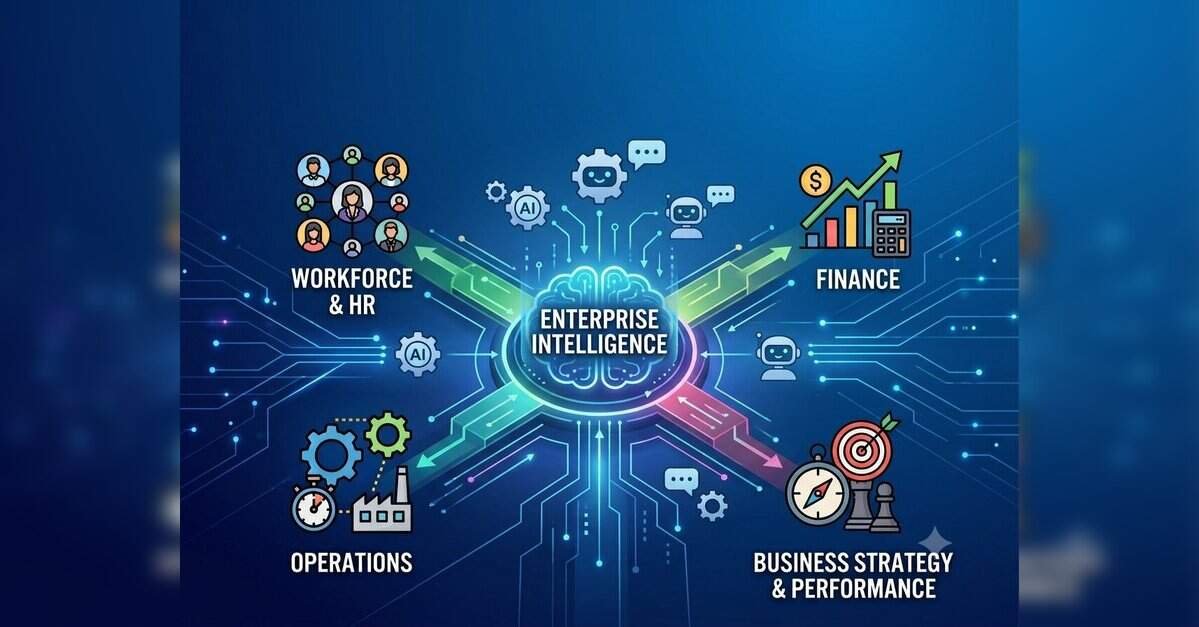
Four major HRTech vendors, including Cornerstone OnDemand and PeopleStrong, are converging on the same strategic bet: that the next competitive moat isn’t AI features but the enterprise intelligence layer sitting beneath them. Each is pursuing a different path, from Keka’s quiet workflow embedding to ZingHR’s cross-functional command center, but all four are repositioning away from HR-as-administration toward HR-as-decision-infrastructure connecting workforce data with finance, operations, and business strategy.
What this means for your business
Your current HRTech vendor is quietly auditing whether it can become your enterprise’s connective tissue, and that ambition changes the renewal conversation you’re about to have. If your workforce data lives in a silo that doesn’t talk to finance or operations, you’re not just behind on a feature, you’re behind on the architecture these vendors are building toward. The CHRO who has already integrated HR data across functions is the one whose vendor will prioritize them as a design partner; the one who hasn’t is the one being sold to.
The vendors’ consensus that AI itself will commoditize is the most credible claim in the piece, and it has a specific implication. When every platform runs comparable models, the differentiator becomes the proprietary data graph underneath, what Cornerstone calls a People Graph (a continuously updated map of employee skills, relationships, performance patterns, and aspirations). Vendors who accumulate richer, cross-functional data compounds will produce better predictions. That means the switching costs CHROs face in three years won’t be about migrating payroll records; they’ll be about abandoning an intelligence model trained on years of their own workforce behavior.
ETHRWorld is writing for the market it covers, so the framing here leans optimistic on vendor capability and light on the integration complexity that actually blocks these roadmaps from landing. The harder question for your next vendor briefing is whether these platforms can ingest your ERP and finance data without a 12-month professional services engagement, because the “enterprise intelligence” pitch collapses entirely if the integration layer is still a bespoke project in 2027. I’d revise the bullish read on this category if even one major vendor can demonstrate a live, non-demo cross-functional intelligence deployment at a named enterprise customer by end of 2026.
Based on reporting from The New HRTech Frontier: Competing for Enterprise Intelligence, ETHRWorld, originally published 2026-07-07 21:30:00.