
Share with your COO
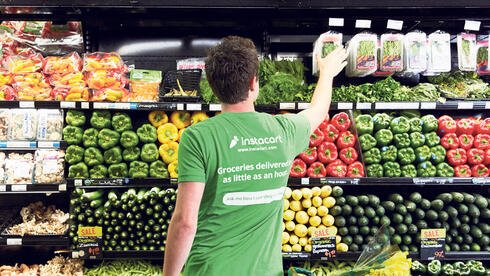
Instacart is betting that its 600,000-strong shopper network is a data collection asset hiding in plain sight. The company is acquiring Israeli AI startup Arpalus for a reported tens of millions of dollars, folding in computer vision technology that converts a short smartphone video of a store shelf into a real-time digital inventory map with 95% item-identification accuracy. Arpalus, founded in 2019 and backed by roughly $5 million in funding, built its models specifically for grocery conditions: inconsistent lighting, patchy Wi-Fi, and thousands of nearly identical products.
What this means for your business
The grocery out-of-stock problem is structurally expensive, and Instacart is now claiming it can fix it without adding any new hardware or store staff. If you’re a retail operations leader whose inventory accuracy depends on cycle counts, vendor feeds, or POS inference, this acquisition redraws your competitive baseline. Retailers already on the Instacart platform get this capability essentially as a byproduct of fulfilled orders. Those who aren’t start falling behind on a data dimension they didn’t know they were competing on.
The more interesting claim isn’t the technology itself but the data flywheel Instacart is assembling. The company already processes more than 10 million daily data points from shopper activity across nearly 100,000 stores. Arpalus adds continuous shelf-state intelligence into that stream without requiring dedicated scanning staff or fixed computer vision hardware. The recurring failure mode for enterprise computer vision deployments has been the gap between pilot accuracy and production accuracy at scale, because store conditions vary wildly. Instacart’s answer is crowd-sourced data collection baked into a workflow that already happens millions of times a week.
Instacart’s $1 billion advertising business is the lens that makes this acquisition make sense. Shelf intelligence isn’t just an operational tool. It’s ad verification, promotional compliance tracking, and category management data rolled into one feed, and CPG brands (consumer packaged goods companies like Unilever or P&G) will pay for all three. If Instacart can sell shelf-state data back to the brands whose products it’s already delivering, the Arpalus acquisition pays for itself before the operational savings even register. The retailer signing a new Instacart tech contract should be asking exactly what data leaves their store and who else is buying it.
Concept deep-dive: Computer vision shelf intelligence
Computer vision shelf intelligence uses image or video analysis to identify which products are present, misplaced, or missing on a retail shelf, functioning like a continuous digital audit of physical inventory. Traditional inventory systems rely on what was shipped and scanned, not what’s actually visible to a shopper. The business value is closing that gap in near real time, which reduces substitutions on delivery orders and gives brands verifiable proof that their products are stocked and positioned correctly.
Based on reporting from Instacart acquires Israeli AI startup Arpalus to bring real-time shelf intelligence t, originally published 2026-07-16 12:24:00.