
Share with your CISO
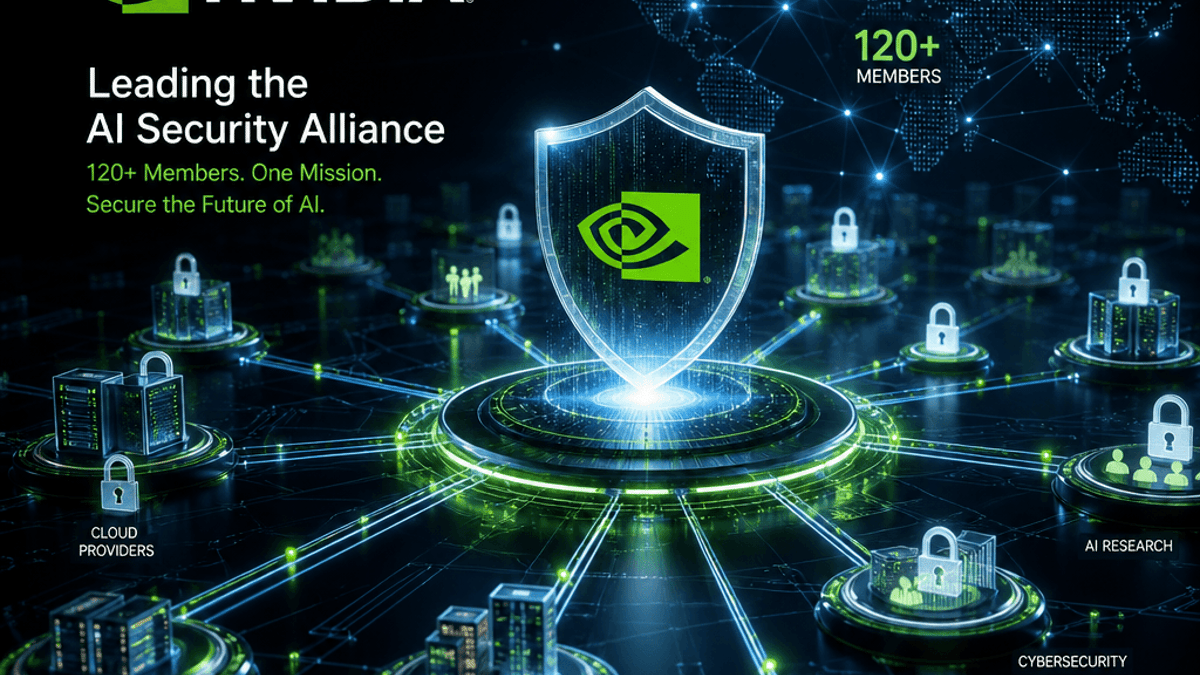
Nvidia is betting that controlling AI security standards is as valuable as controlling AI compute. One week after launching the Open Secure AI Alliance, the company has pulled in over 120 member organizations and published its first technical proposals targeting AI agent security, specifically the frameworks needed to verify agent behavior, contain damage, and maintain audit trails when autonomous systems go wrong. The speed of formation, 120 companies and substantive output in seven days, is not normal for an industry coalition.
What this means for your business
The companies most exposed here are the ones already mid-deployment on agentic AI, meaning AI systems that act autonomously rather than just answering questions. If you’ve approved pilots where AI agents touch financial workflows, code repositories, or sensitive enterprise data, the security architecture you signed off on was almost certainly designed before any coherent industry standard existed. These proposals, even if imperfect, are arriving faster than your next board review cycle, and your current stack will be measured against them whether you opted in or not.
The vendor-capture risk is real and worth naming plainly. Nvidia assembled this coalition partly because slower enterprise adoption of AI is bad for GPU demand, and a security framework that clears buyer anxiety serves that commercial interest directly. That doesn’t make the proposals wrong, but it does mean the instinct to treat OSAIA certification as a substitute for independent security validation is exactly the mistake the framing invites. The recurring failure mode in industry-led security standards is that they optimize for adoption speed rather than threat coverage. Red team your agents against the framework, don’t just check compliance boxes against it.
Nvidia is writing the regulatory playbook before governments can, and that’s a structural advantage the company is unlikely to surrender. The smarter bet for security leaders is to treat whatever OSAIA publishes in the next 90 days as the de facto procurement floor your vendors will reference in sales conversations, not as a ceiling of what adequate protection looks like. If a vendor’s security pitch is “we’re OSAIA-aligned,” that’s the beginning of the due diligence conversation, not the end of it.
Concept deep-dive: Agent trust problem
When AI systems could only generate text, a bad output was embarrassing. When AI agents can execute actions across systems, a compromised or misbehaving agent can chain through an organization’s infrastructure before any human notices. The “agent trust problem” is the challenge of verifying that an autonomous AI is doing what it’s authorized to do, nothing more, across every step of a multi-action workflow. Think of it as the difference between reviewing a document and giving someone your login credentials.
Based on reporting from Nvidia’s AI Security Alliance Hits 120 Members in One Week, originally published 2026-08-04 15:50:00.