
Share with your CTO
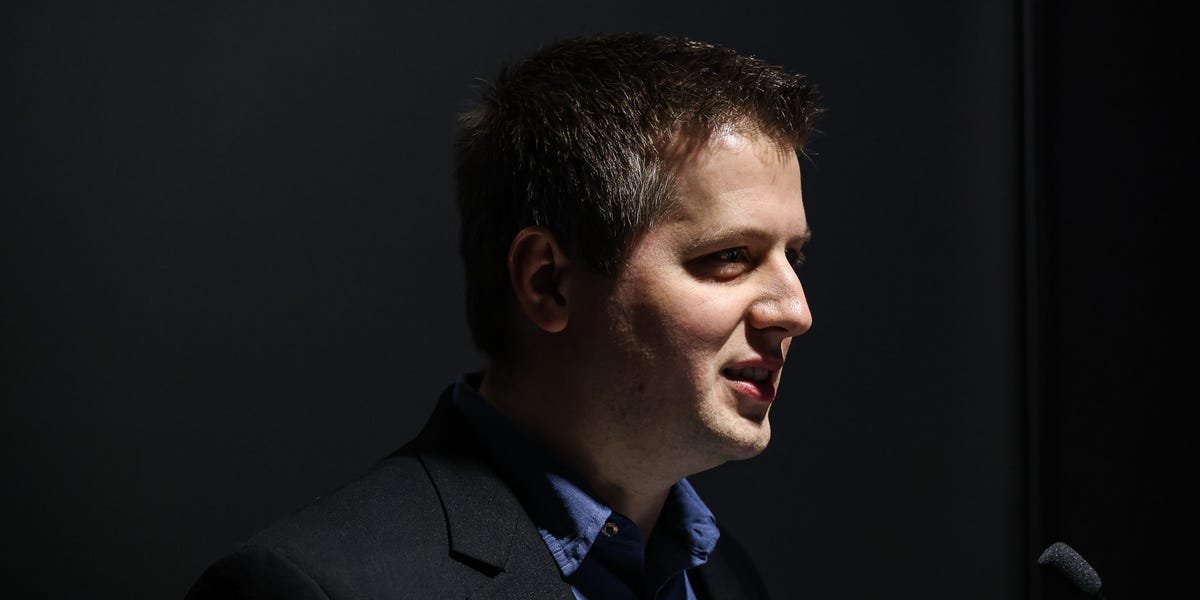
Proton CTO Bart Butler’s internal memo on the redefined role of software engineers is circulating well beyond Proton’s walls, and the reaction from senior engineers is largely: yes, finally. Butler’s core argument is unambiguous. Engineers no longer write code. They direct AI models that write code. Every engineer is now a team lead managing agents, and resistance to that framing isn’t principled, it’s career-limiting. DHH, Lauren Tan of SpaceX, and OpenClaw creator Peter Steinberger all voiced public agreement. The memo is three pages. The industry debate it’s reigniting is years old.
What this means for your business
The memo’s real value isn’t its content, it’s its honesty about the lag between AI capability and internal culture. Most engineering orgs have adopted AI coding tools while quietly preserving the old mental model: AI assists humans. Butler’s framing inverts this. If your engineers still see themselves as the primary authors and AI as the accelerant, you’re running the wrong abstraction. That gap between tooling adoption and identity shift is where productivity gains evaporate.
The pattern here is familiar from prior platform transitions. When cloud infrastructure matured, companies that reorged around cloud-native thinking outpaced those that simply moved existing workloads. The same dynamic is playing out in engineering. Steinberger’s observation that even half the current AI trajectory makes “the old job of software engineer gone” isn’t hyperbole, it’s a hiring and org-design forecast. Your engineering headcount model, your job descriptions, your performance reviews, your promotion criteria: all of them were written for a different job than the one your engineers now hold.
Edward Ahn’s chart tracking executive AI memos over time captures something worth holding: the memos are getting more honest every few quarters, which means the gap between what leadership believes privately and what it communicates publicly is closing fast. The question worth holding is whether your org is driving that convergence or waiting for a public memo to force it.
Concept deep-dive: AI-directed engineering
AI-directed engineering means the engineer’s primary output shifts from writing code to specifying intent, reviewing model output, and orchestrating agents across tasks. It exists because large language models can now produce production-quality code faster than humans type it, making human authorship the bottleneck rather than the value. Think of it as moving from bricklayer to architect: the work is still technical, but the leverage point changes entirely. For CTOs, this reframes hiring (reasoning over syntax), tooling investment, and how engineering productivity is measured.
Based on reporting from Proton CTO’s AI Manifesto Strikes a Nerve With Engineers, originally published 2026-10-31 05:37:00.