

Share with your CISO
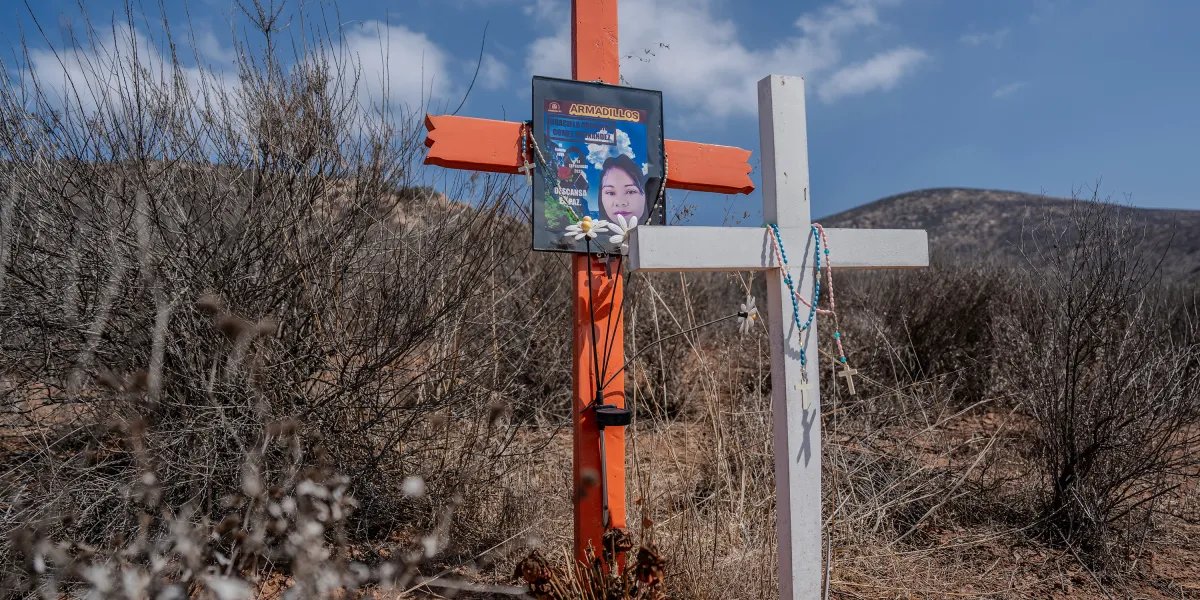
The U.S. government’s $1.4 billion border surveillance network, spanning more than 800 towers and growing toward 2,300 by 2034, is failing at its stated mission in ways that should alarm any executive responsible for AI-powered monitoring systems. A joint MIT Technology Review and Times of San Diego investigation found at least 138 migrants died within camera range along the California border over four years, with more than half likely in clear line of sight. Vendors including Anduril claim their towers “autonomously identified hundreds of thousands of border crossings,” yet a 2024 internal memo confirmed 30 percent of older towers were simply broken.
What this means for your business
The gap between vendor capability claims and system performance documented here is not unique to border security. Any enterprise running AI-powered physical or digital monitoring, whether for fraud detection, industrial safety, or network intrusion, faces the same structural failure mode: cameras that spin, dashboards that populate, and alerts that fire while the actual threat goes unaddressed. The question worth asking internally is not whether your monitoring system generates output, but whether anyone has independently verified that the output connects to the outcomes you’re paying for.
The RAND Corporation’s 2020 finding is the sharpest insight in this entire investigation, and it applies directly to enterprise AI procurement. RAND analysts concluded that the towers’ primary value was deterrence through the appearance of capability, not the capability itself. That is a politically acceptable finding for a government program, but it is a catastrophic one for a CFO signing a renewal on an AI security platform. Deterrence-by-theater works when your adversary doesn’t probe the system. Sophisticated attackers, whether nation-state actors, fraudsters, or industrial competitors, probe constantly. A system that functions mainly as a scarecrow fails exactly when it’s tested hardest.
The operational detail about smugglers sending migrants across individually to generate more alerts than agents can process is a direct analog to a well-documented enterprise security problem called alert fatigue, where high-volume automated detection systems produce so many signals that human operators begin ignoring them systematically. Anduril’s towers “autonomously identified hundreds of thousands of border crossings” while agents stood down because volume outran capacity. If your AI security or compliance monitoring vendor leads with detection volume as the headline metric, that number is almost certainly obscuring the response rate, which is the only metric that matters. I’d revise this view if vendors began publishing independently audited response-to-alert ratios alongside detection claims, but none currently do.
Concept deep-dive: Autonomous detection versus autonomous response
AI surveillance towers “autonomously identify” targets, meaning the machine spots and classifies the object without a human in the loop, but apprehension still requires a human decision and physical presence. Think of it as a smoke detector that notices the fire but cannot call the fire department. In enterprise AI, this gap between automated detection and automated response is where most system failures live, and vendors routinely conflate the two in marketing materials to make detection metrics sound like outcome metrics.
Based on reporting from She died at the San Diego border. A surveillance camera was in plain sight, originally published 2026-09-21 08:00:00.