Share with your CDO
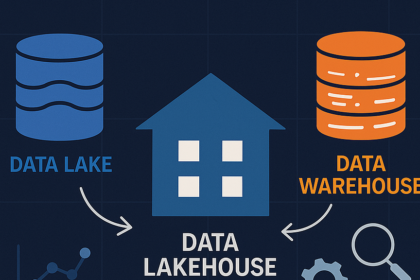
OceanBase is betting that the explosion of AI-generated applications, 30 million flash apps on Ant’s Lingguang platform as of April, breaks conventional database design badly enough to require a new architectural category. The company’s answer is “logical tables,” a scheme where each AI-generated application gets its own independent data schema while sharing a common physical storage layer underneath. The Lingguang architecture disclosure also previews OceanBase’s June lakehouse release, which unifies structured, unstructured, and vector data under one roof for Agent workloads.
What this means for your business
The 30 million application figure is the number worth sitting with. If your organization is building or buying platforms where AI Agents generate their own application instances, you’re facing a version of this problem already: every tenant wants isolation, your infrastructure team wants consolidation, and the gap between those two requirements is where database bills quietly explode. Organizations still in early Agent pilots can defer this call, but anyone running multi-tenant AI applications at scale is already on the wrong side of it.
The logical table pattern OceanBase is describing is essentially a multi-tenancy trick applied one layer deeper than usual. Traditional multi-tenancy gives each customer a separate database or schema. OceanBase’s approach gives each AI-generated app a separate logical schema, a self-contained set of tables and rules describing what data looks like, while the actual bytes land in shared physical storage using JSON. The business payoff is that you avoid provisioning thousands of individual databases, each with its own maintenance overhead, while still giving each application the SQL query behavior it expects. The escape hatch matters too: single applications that outgrow the shared pool can be promoted to dedicated physical tables without re-architecting the whole system.
OceanBase carries Ant Group’s fingerprints on everything it ships, which means its benchmarks reflect Alibaba-ecosystem traffic patterns and its roadmap bends toward Chinese enterprise priorities. That’s worth factoring in before treating Lingguang’s 30 million app figure as a universal proof point. The architecture itself is sound and the multi-tenant isolation problem is real regardless of geography. The deciding question for a CDO evaluating database strategy around Agent workloads isn’t whether this pattern works, it’s whether your existing vendors, Oracle, Snowflake, Databricks, have a credible answer to it. If your next vendor review doesn’t include this specific capability question, you’re pricing the wrong risk.
Concept deep-dive: Logical tables
A logical table is a database abstraction where an application interacts with what looks like its own private table structure, with its own column names and data types, while the underlying storage is physically shared with many other applications. Think of it like a hotel room key that opens what feels like a private room, but the building’s plumbing, electrical, and walls serve hundreds of guests simultaneously. The business case is eliminating the cost and management overhead of spinning up a separate database for every application instance an AI Agent creates.
Based on reporting from OceanBase Releases Public Lingguang AI Application Data Architecture to Support 30 Million Flash Applications, originally published 2026-08-06 00:30:00.